

Collagen face masks have become a familiar sight across social media feeds, beauty shelves, and skincare routines. Their promise is simple and appealing: smoother, firmer-looking skin in minutes. As skincare trends increasingly focus on instant results and self-care rituals, collagen masks have positioned themselves as a must-try product. But beyond the glossy packaging and viral videos, the real question remains whether these masks actually deliver meaningful benefits or if their impact is mostly surface level.
This article takes an objective look at collagen face masks, how they work, and where they realistically fit into modern skincare routines.
What Are Collagen Face Masks?
Collagen face masks are topical treatments infused with collagen or collagen-derived ingredients. They typically come in sheet, hydrogel, or cream-based formats and are designed to sit on the skin for a short period, usually 10 to 30 minutes.
Most collagen used in skincare is sourced from marine or animal proteins and processed into smaller molecules. These masks are often combined with other ingredients such as humectants, botanical extracts, or soothing agents to enhance their overall effect.
Common characteristics include:
- A cooling or soothing sensation upon application
- A focus on hydration and skin comfort
- Marketing claims centered on firmness, elasticity, or glow
As skincare trends lean toward visible results and ritual-based beauty, collagen face masks align well with consumer expectations.
How Collagen Masks Interact With the Skin
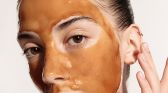
Collagen is a large molecule, which means it does not penetrate deeply into the skin when applied topically. Instead of boosting collagen production directly, collagen masks work primarily on the surface.
Their main function is to:
- Help retain moisture by forming a temporary barrier
- Smooth the appearance of fine lines caused by dehydration
- Improve skin texture through hydration and occlusion
The plump look many users notice after removing a collagen mask is largely due to increased water content in the outermost layers of skin.
Do Collagen Face Masks Actually Work?
The effectiveness of collagen face masks depends on how success is defined. They do not replace treatments that stimulate collagen production, but they can improve how skin looks and feels in the short term.
Visible effects often include:
- Skin that appears smoother and more supple
- Temporary reduction in dryness-related fine lines
- A refreshed appearance that works well before events or makeup application
These results tend to fade within hours or a day, which aligns with the masks' role as a supportive rather than transformative skincare product.
Collagen Masks Benefits Explained
Collagen masks benefits are primarily tied to hydration and comfort rather than structural skin changes. When used appropriately, they can support overall skin appearance.
Key benefits include:
- Enhanced moisture retention for dry or dehydrated skin
- Temporary plumping that improves skin texture
- A calming effect that can reduce the look of tired skin
Additional advantages often come from supporting ingredients found in collagen face masks, such as glycerin, hyaluronic acid, or soothing plant extracts.
Why Collagen Masks Fit Into Current Skincare Trends
Skincare trends today emphasize self-care, sensory experience, and quick visual payoff. Collagen face masks check all of these boxes.
They appeal to consumers because:
- They are easy to use and low commitment
- Results are visible shortly after use
- They align with at-home spa routines and wellness-focused beauty
In a market saturated with long-term treatment claims, collagen masks stand out by offering immediate, though temporary, improvement.
Collagen Face Masks Versus Other Mask Types
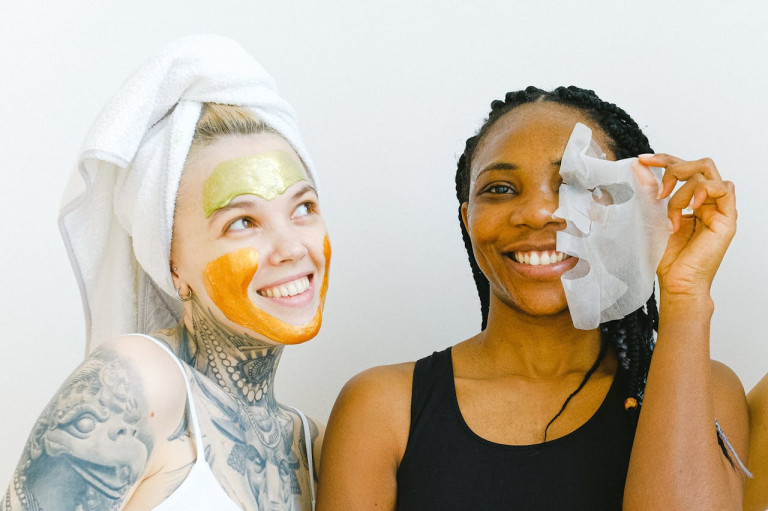
When compared to other facial masks, collagen face masks serve a specific purpose. They are not designed to exfoliate or deeply treat acne, but rather to hydrate and smooth.
Compared to clay or exfoliating masks:
- Collagen masks are gentler and less likely to irritate
- They focus on moisture instead of oil control or resurfacing
- They are better suited for frequent or occasional use
This makes them a complementary product rather than a replacement for targeted skincare treatments.
When Collagen Masks Make the Most Sense
Collagen face masks are most effective when expectations are aligned with their capabilities.
They are particularly useful:
- Before special occasions or photos
- During travel or periods of environmental stress
- As a hydrating boost for dry or mature skin
Used occasionally, they can enhance a routine without overpromising results.
Where Collagen Masks Fall Short
Despite their popularity, collagen masks are not a solution for long-term skin aging concerns. They do not stimulate collagen synthesis or significantly improve skin firmness over time.
Limitations include:
- No lasting impact on collagen production
- Results that rely heavily on hydration
- Performance that varies based on formulation quality
Understanding these boundaries helps set realistic expectations and prevents disappointment.
Are Collagen Face Masks Worth Trying?
For those drawn to skincare trends that prioritize comfort and immediate glow, collagen face masks offer a practical option. They provide short-term skin benefits and fit well into routines focused on hydration and self-care.
Rather than viewing them as a cure-all, they work best as a supportive product that enhances skin appearance when timing and context matter.
Frequently Asked Questions
1. Do collagen face masks increase collagen in the skin?
No. Topical collagen does not penetrate deeply enough to increase natural collagen levels. The effects are limited to surface hydration and temporary plumping.
2. How often should collagen face masks be used?
Most can be used one to three times per week, depending on skin type and sensitivity. Overuse does not improve results.
3. Are collagen masks suitable for all skin types?
They are generally well tolerated, but individuals with sensitive or reactive skin should check ingredient lists and patch test before use.
4. Are collagen face masks better than serums or creams?
They serve a different purpose. Masks provide short-term hydration and comfort, while serums and creams are better suited for long-term skin improvement.
© Copyright Fashion Times 2026. All rights reserved.


