

In recent years, the fashion industry has shifted its focus. What was once predominantly about personal expression and aesthetic appeal now often appears to revolve around brand identity and visibility. The ongoing debate over fashion branding vs style raises curious questions about the role of logos, marketing strategies, and consumer behavior in defining modern fashion.
Understanding Fashion Branding
Fashion branding goes beyond simply placing a logo on a garment. It encompasses a brand's identity, storytelling, and overall presentation. A well-crafted brand communicates a message, establishes emotional connections with consumers, and creates a sense of exclusivity. For example, iconic fashion houses use consistent visuals, campaigns, and social media strategies to cultivate a distinct image.
Luxury marketing plays a significant role in this process. Brands invest heavily in promoting heritage, craftsmanship, and aspirational lifestyles. Campaigns often highlight not only products but also the experience associated with owning them. This strategy ensures that consumers do not just buy clothing, but they buy into a narrative, a social status, and a lifestyle.
What Style Means in Modern Fashion
Style, on the other hand, is fundamentally about personal expression. It is defined by how individuals choose to present themselves through clothing, accessories, and overall aesthetics, independent of brand labels. While trends can influence style, it often reflects creativity, comfort, and identity.
A person's style may focus on color combinations, silhouettes, textures, or the way items are layered, regardless of whether they feature a prominent logo. For many, style remains a personal statement rather than a symbol of status or brand loyalty.

The Rise of Logo Fashion
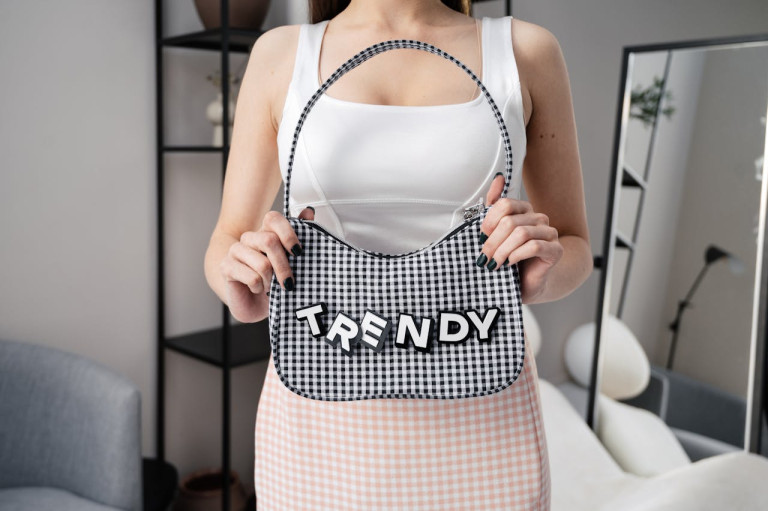
One of the most visible signs of branding's growing influence is logo fashion. Over the last decade, logos have become central to many garments, from streetwear hoodies to luxury handbags. Consumers increasingly seek items that prominently display brand insignia as a form of social signaling. Wearing a recognizable logo often communicates wealth, taste, or cultural awareness.
However, logo-centric fashion has sparked debate. Critics argue that excessive focus on branding can overshadow genuine style, reducing clothing to a status symbol rather than an expression of personal taste. Proponents, conversely, see it as a legitimate form of fashion communication that blends identity with trend awareness.
View this post on Instagram
Are Consumers Prioritizing Branding Over Style?
Recent consumer behavior studies indicate that many shoppers are indeed influenced by branding. For some, purchasing decisions are guided more by logos and marketing narratives than by garment aesthetics. This is especially evident in streetwear and luxury markets, where brand visibility can often outweigh material quality or design innovation.
Yet, there is also a counter-movement. Minimalist fashion and "quiet luxury" have grown in popularity, emphasizing subtlety, craftsmanship, and timeless design over overt logos. These trends suggest that while branding is influential, style remains relevant for discerning consumers who prioritize individuality over conspicuous display.
How Luxury Marketing Shapes Modern Fashion
Luxury marketing strategies amplify branding prominence. By highlighting exclusivity, heritage, and storytelling, luxury brands create perceived value beyond the physical product. Advertising campaigns, influencer partnerships, and digital storytelling reinforce brand prestige and drive consumer desire.
In essence, luxury marketing has created an environment where branding is inseparable from fashion identity. The strategy often blurs the line between style and brand loyalty, leading consumers to associate social status and personal taste with brand affiliation.
Fashion Branding vs Style: Finding the Balance
The tension between fashion branding and style is not simply a battle of logos against personal taste; it is a question of balance. Some designers manage to merge strong branding with innovative design, producing garments that are visually striking while reinforcing brand identity. Others focus on timeless aesthetics, appealing to those who value creativity and individuality over logo prominence.
For example, luxury houses like Gucci and Balenciaga have successfully leveraged logo fashion to appeal to trend-conscious consumers. Meanwhile, brands like The Row and Celine emphasize minimalist design, thus proving that style can thrive independently of branding.
Case Studies: Branding and Style in Action
- Streetwear Icons: Brands like Supreme have built entire communities around logo fashion, creating high demand through limited releases and hype-driven marketing. Here, branding often surpasses traditional style considerations.
- Luxury Houses: Louis Vuitton and Chanel continue to balance strong brand identity with high-quality craftsmanship. Their marketing strategies reinforce exclusivity while still offering products with timeless appeal.
- Minimalist Approach: Brands such as COS and Jil Sander focus on clean lines and functional design, allowing style to take precedence over conspicuous logos. Their loyal customer base values aesthetics over branding.
The Future of Fashion: Integrating Branding and Style
Looking forward, the most successful fashion trends are likely to harmonize branding and style. Consumers increasingly seek garments that reflect individuality while resonating with cultural or social narratives. Sustainability and conscious consumerism are also reshaping priorities, pushing brands to emphasize authentic storytelling and quality design rather than purely status-driven marketing.
Ultimately, the interplay between fashion branding and style suggests that neither element can fully dominate. Logos and marketing strategies can enhance style, but style itself remains the foundation of meaningful fashion.
Conclusion
The modern fashion landscape reveals that branding has become increasingly influential, with logo fashion and luxury marketing shaping consumer behavior and cultural trends. However, style, whether for personal expression, design creativity, or aesthetic appeal, remains a vital force. Rather than viewing branding and style as opposing forces, the most compelling fashion emerges when they complement the wearer's identity and individuality.
Frequently Asked Questions
1. What is the difference between fashion branding and style?
Fashion branding refers to a brand's identity, marketing, and storytelling, often emphasizing logos, exclusivity, and social perception. Style, however, is about personal expression and aesthetic choices, independent of brand affiliation. While branding can influence trends, style reflects individual taste and creativity.
2. Why has logo fashion become so popular?
Logo fashion has gained popularity because it allows consumers to signal social status, cultural awareness, or trend-savviness. Wearing visible brand logos often communicates identity and prestige, especially in streetwear and luxury markets. Marketing strategies and influencer endorsements further amplify the demand for logo-centric clothing.
3. Can style exist without luxury branding?
Absolutely. Many fashion enthusiasts prioritize timeless design, craftsmanship, and personal expression over brand visibility. Minimalist and logo-free fashion movements demonstrate that true style can thrive independently of luxury marketing or conspicuous branding.

© Copyright Fashion Times 2026. All rights reserved.


