
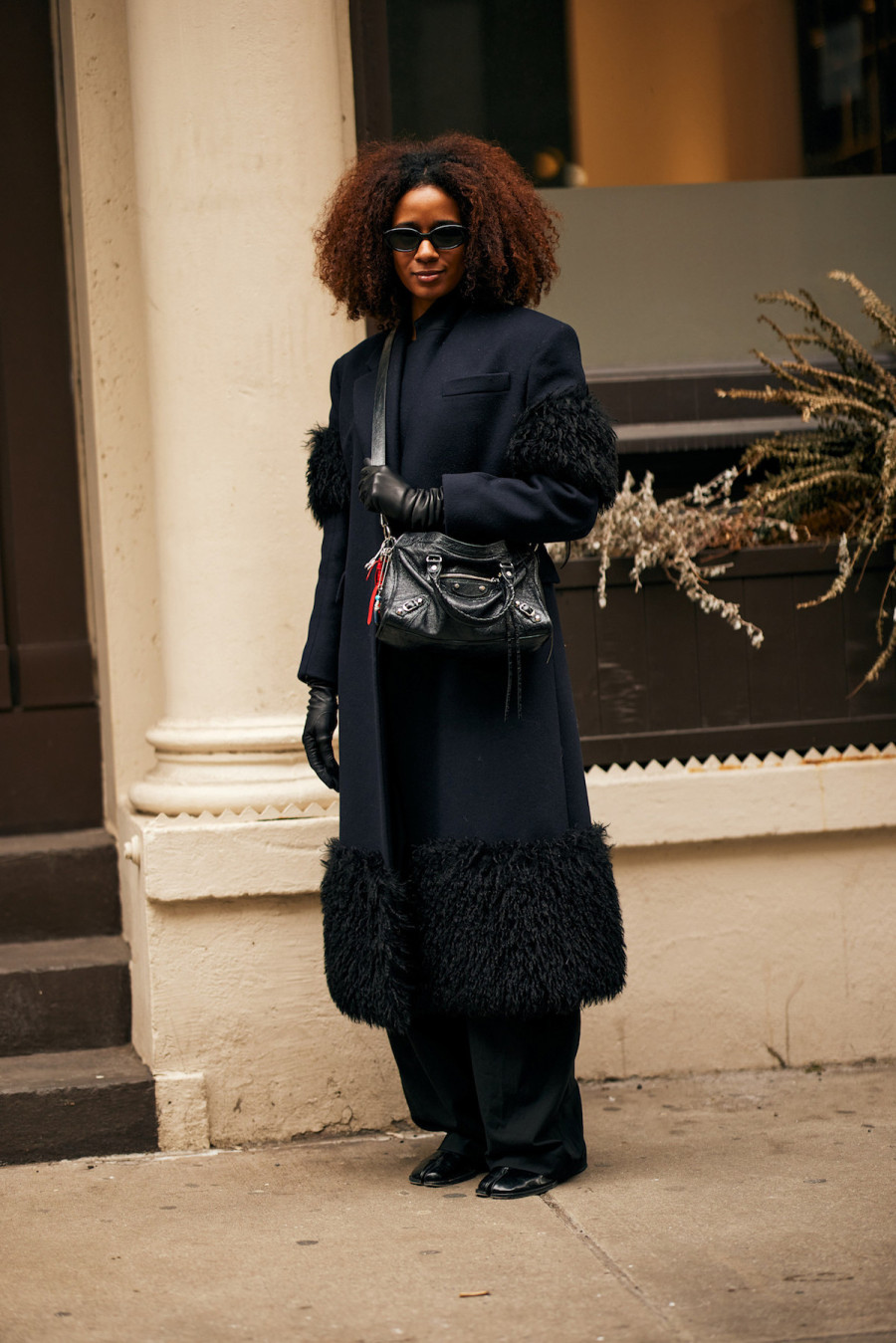
Something has shifted in the fashion conversation in 2026. The most admired looks in street style and editorial spreads are no longer necessarily the most expensive ones. High low fashion, the practice of mixing investment pieces with accessible finds, has moved from budget-conscious compromise to the deliberate strategy of stylists and editors. Meanwhile, head-to-toe designer dressing has split into two camps: one that reads as intentional and powerful, and one that reads as costume. Understanding the difference, and knowing which luxury styling tips create genuine outfit balance, is where modern personal style begins.
What Is High-Low Fashion and Why Does It Work?
High low fashion combines one or two quality investment pieces with affordable basics or accessible separates to create a look that feels personal and considered. Personal stylist Meg Gallagher describes affordable basics as the perfect canvas for more luxurious items. The eye reads the most elevated piece and assigns that quality standard to the whole outfit. A great coat over a plain tee and clean denim reads as effortlessly expensive. A designer bag alongside a high-street dress does the same. The approach has gained cultural momentum in 2026 as fashion moves toward what Who What Wear editors describe as quieter, refined pieces balanced with bolder statements. High low fashion thrives in exactly this environment because it is built on editing rather than accumulation.

What Does Head-to-Toe Designer Communicate Now?
Head-to-toe designer dressing is not inherently dated, but the version losing ground is the logo-heavy, matchy-matchy approach that announces the brand before the person wearing it. Celebrity stylist Ellis Ranson has been consistent: style should be the focal point of an outfit, not the designer's name across it. The version of head-to-toe designer that still resonates is color-led or silhouette-led rather than logo-led. A single house worn in one saturated tonal story, the kind seen across Spring 2026 runways at Erdem, Ferragamo, and Simone Rocha, reads as a statement of intention rather than a display of spending. The question is never how much of a single brand someone is wearing, but whether the outfit looks like a deliberate choice.
Which Pieces Are Worth Investing In?
The foundation of any high low fashion strategy is identifying which pieces carry the most visual weight. The categories worth spending on:
- Outerwear: a great coat sets the tone of the entire look and is the first thing anyone sees
- Handbags: the most visible accessory in everyday life and the one that most reliably signals quality
- Shoes: a well-made shoe in a strong silhouette grounds the look. Celebrity stylist Karla Welch asks whether a piece is a forever item before investing, and footwear is where that logic pays off most
- Tailoring: a well-cut blazer or trouser in quality fabric reads expensive regardless of the label inside
The categories where accessible options work without breaking the illusion are basics like white tees and knitwear, short-cycle trend pieces, and supporting accessories in secondary positions.
How to Achieve Outfit Balance Between High and Low Pieces
The luxury styling tip that separates a polished high-low look from an accidental one is the rule of one statement element per outfit. The investment piece dictates the tone. Everything else supports it. Practical ways to maintain outfit balance:
- Let the investment piece lead and build around it with quieter choices in complementary or neutral tones
- Use color to unify rather than relying on brand cohesion. A monochromatic outfit reads as intentional at any price point
- Avoid matching the high and low pieces too literally in fabric or finish, as the quality difference becomes visible up close
- Treat trendy pieces as the low component and timeless pieces as the high, so the investment ages better than the surrounding items

The Best High-Low Combinations Working in 2026
The looks doing the most work in street style right now follow a consistent structure: one strong investment piece, surrounded by simple basics that do not compete with it. The most effective combinations:
- A structured designer bag with straight-leg jeans and a plain cotton tee in a matching neutral tone
- A luxury tailored blazer from a heritage house with clean high-street trousers and leather loafers
- Statement designer shoes as the single investment piece, paired with a minimal slip dress from an accessible label
- A quality cashmere rollneck paired with premium denim and no other luxury pieces in the look
The Most Modern Outfit Is the One That Looks Like a Choice, Not a Purchase
High low fashion works in 2026 because it reflects how style is now understood. The most admired wardrobes, according to editors and celebrity stylists, are trend-aware but timeless-first, built on outfit balance and editing rather than accumulation. The luxury styling tips with the most longevity treat investment pieces as a wardrobe's backbone and accessible pieces as its flexibility. Head-to-toe designer still has a place, but only when the color story or silhouette leads rather than the branding. The question that determines which approach looks more modern is straightforward: does the outfit look like the person chose it, or does it look like the brand chose the person?
Frequently Asked Questions
1. What is high-low fashion and how does it work?
High low fashion combines one or two investment pieces with affordable or accessible items to create a balanced, polished look. It works because the eye assigns the quality of the most elevated piece to the entire outfit. A designer bag or luxury blazer elevates even the simplest surrounding pieces, making the whole look read as intentional without requiring every item to carry a luxury price tag.
2. Which pieces are worth spending on in a high-low outfit?
Outerwear, handbags, shoes, and tailoring carry the most visual weight and are worth investing in. These are the pieces worn repeatedly, visible from a distance, and most likely to retain quality over multiple seasons. Basics, trend-driven separates, and secondary accessories are the categories where accessible options work without disrupting the overall quality signal of the look.
3. Does head-to-toe designer still look modern in 2026?
It depends on the approach. Color-led or silhouette-led head-to-toe dressing still reads as intentional and powerful. Logo-heavy, matchy-matchy dressing where the brand is more visible than the person wearing it has lost cultural currency among stylists and editors. The most modern version of head-to-toe designer is one where the outfit would read as a strong choice even without the brand identifiers present.
4. How do you maintain outfit balance in a high-low look?
The key luxury styling tip is to let the investment piece lead and build around it with quieter, complementary choices. One statement element per outfit is the working rule. Color and proportion unify high and low pieces more effectively than brand cohesion, and avoiding a too-literal match between the most and least expensive items in the look prevents the quality contrast from becoming obvious.

© Copyright Fashion Times 2026. All rights reserved.


