
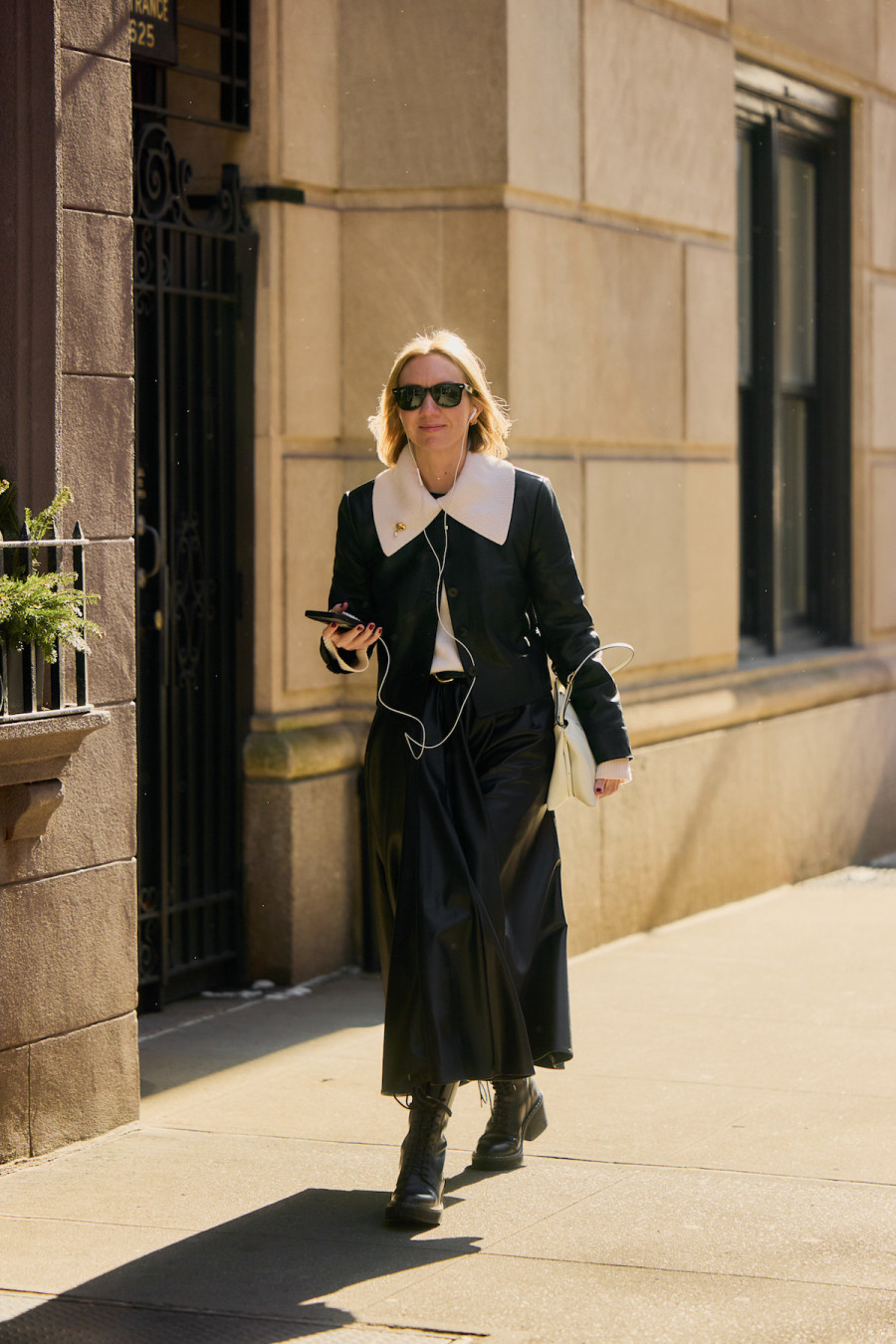
Getting dressed should not feel like solving a daily puzzle. A well-planned versatile wardrobe removes that friction by making it easy to create outfits that work for different settings without constant shopping or decision fatigue. Instead of owning more clothes, the focus shifts to owning the right ones. Pieces that mix well, adapt easily, and hold up over time form the backbone of a wardrobe that actually works in real life.
This approach is closely tied to modern capsule wardrobe tips and the growing interest in multifunctional clothing. The goal is not strict minimalism, but flexibility and usefulness.
What Makes a Wardrobe Truly Versatile?
A versatile wardrobe is built around items that can be styled in more than one way and worn across multiple occasions. These pieces are not limited to a single purpose, season, or dress code.
Key characteristics include:
- Neutral or adaptable color palettes
- Simple silhouettes that can be dressed up or down
- Fabrics suitable for both casual and polished settings
- Easy layering potential
Versatility comes from combinations, not individual items. A blazer that works only in an office is less useful than one that also pairs well with denim or casual dresses.

Building a Strong Foundation With Core Pieces
Every functional wardrobe starts with a reliable base. These are the items worn most often and styled in the widest range of ways.
Common foundational pieces include:
- Well-fitted trousers or structured jeans
- Neutral tops that layer easily
- Simple knitwear that works alone or over other items
- Comfortable shoes that match multiple outfits
These staples form the framework of a capsule wardrobe, allowing additional pieces to rotate in without disrupting outfit cohesion.
How Capsule Wardrobe Tips Improve Daily Dressing
Capsule wardrobe tips focus on editing rather than accumulating. By narrowing choices, outfit creation becomes faster and more consistent.
Effective capsule strategies include:
- Limiting duplicates unless they serve different functions
- Choosing colors that work across most items
- Prioritizing fit over trend relevance
A capsule wardrobe is not static. It evolves with lifestyle changes, seasons, and personal preferences. The intention is flexibility, not restriction.
The Role of Multifunctional Clothing
Multifunctional clothing is central to wardrobe versatility. These are items designed or chosen for their ability to work in multiple contexts without looking out of place.
Examples include:
- Dresses that shift from day to evening with accessories
- Button-down shirts worn open as light layers or closed as tops
- Shoes suitable for both extended wear and polished settings
The most effective multifunctional pieces feel natural in different environments rather than forced or overstyled.
Color Coordination Without Overthinking
Color plays a major role in how versatile a wardrobe feels. A limited but intentional palette increases the number of possible combinations.
Helpful guidelines include:
- Building around two or three core neutral colors
- Adding accent colors sparingly
- Avoiding shades that clash with most existing items
This approach does not remove personality. Instead, it allows personal style to show through consistency and thoughtful repetition.
Fit and Fabric Matter More Than Trends
Trend-driven items often limit versatility because they date quickly or only suit specific occasions. Fit and fabric have a much greater impact on how often something gets worn.
When evaluating potential additions:
- Look for clean lines that flatter without relying on trends
- Choose fabrics that hold shape and layer well
- Consider comfort over extended wear
High-quality basics outperform statement pieces when the goal is a wardrobe that works across situations.

Layering as a Versatility Tool
Layering expands outfit possibilities without increasing closet size. A small number of layers can transform the same base outfit into something suitable for different settings.
Effective layering pieces include:
- Lightweight jackets
- Structured blazers
- Simple cardigans or knit layers
Layering also allows outfits to adapt to changing temperatures, making multifunctional clothing more practical year-round.
Accessories That Multiply Outfit Options
Accessories are often overlooked when building a versatile wardrobe, yet they play a major role in outfit adaptability.
A focused accessory collection might include:
- Shoes that bridge casual and formal settings
- Bags sized for both daily use and outings
- Minimal jewelry that layers easily
Rather than owning many accessories, the emphasis is on pieces that elevate multiple outfits without overpowering them.
Avoiding Common Versatile Wardrobe Mistakes
Even with the right intentions, certain habits reduce wardrobe effectiveness.
Common issues include:
- Buying items for imagined occasions rather than real ones
- Prioritizing trends over wearability
- Owning many similar pieces that serve the same purpose
A practical wardrobe reflects actual daily life, not idealized versions of it.
A Wardrobe Strategy That Supports Real Life
A versatile wardrobe is not about perfection or strict rules. It is about aligning clothing choices with everyday needs and long-term use. Capsule wardrobe tips and multifunctional clothing provide a framework, but personal lifestyle should guide final decisions.
When clothes work together instead of competing for attention, getting dressed becomes simpler, faster, and more enjoyable.
How a Versatile Wardrobe Simplifies Everyday Style
Building a wardrobe that works for multiple occasions reduces unnecessary purchases and daily stress. By focusing on adaptable pieces, thoughtful color coordination, and multifunctional clothing, it becomes easier to dress with confidence in different situations. A well-curated wardrobe supports routine life while remaining flexible enough for change.
Frequently Asked Questions
1. What is the difference between a versatile wardrobe and a capsule wardrobe?
A versatile wardrobe focuses on adaptability across occasions, while a capsule wardrobe emphasizes a limited number of items. The two concepts often overlap, but versatility prioritizes function over item count.
2. How many pieces are needed for a functional capsule wardrobe?
There is no fixed number. Most people find that 25 to 40 core items work well, depending on lifestyle, climate, and dress requirements.
3. Can multifunctional clothing still reflect personal style?
Yes. Multifunctional clothing works best when it aligns with personal preferences. Style shows through fit, color choices, and how pieces are combined.
4. How often should a versatile wardrobe be updated?
Small updates each season are usually enough. Items should be replaced based on wear and lifestyle changes rather than trends.

© Copyright Fashion Times 2026. All rights reserved.


