

The fashion resale market is moving beyond niche circles and reshaping how retail operates around the world. For years, buying pre-owned clothing was mainly associated with thrift stores or dedicated vintage shops. Today it has become a strategic growth channel for brands, platforms, and fashion communities alike. This evolution is driven not only by price sensitivity but also by deeper engagement with secondhand clothing growth and the wider push toward circular fashion.
Large resale platforms and brands are elevating pre-loved styles to prominence. For example, some marketplaces stage runway shows during fashion weeks or sponsor major cultural events to bring secondhand items into mainstream conversations. These efforts make resale more visible and integrate it into broader retail thinking.
How Fashion Resale Has Become Mainstream
Resale has grown far beyond its origins, largely thanks to digital marketplaces that make buying and selling secondhand clothing convenient and social. Platforms enable users to list items in minutes and engage with community features that traditional retail rarely offers.
Major players in the fashion resale market now include:
- eBay, which reported that 40 percent of its sales came from pre-loved and refurbished goods in 2025, showing strong demand for secondhand at scale.
- Vinted, known for accessible resale across Europe and beyond, which expanded into luxury segments and hosted branded pop-ups showcasing curated pieces.
- The RealReal, a specialist in authenticated luxury resale that reached profitability after years of investment.
- Depop, whose user base reflects Gen Z's stylish approach to thrift and vintage.
These platforms help shape not just shopping habits but cultural norms around clothing reuse and sustainability.
Why Secondhand Clothing Growth Is Accelerating
Secondhand clothing growth is outpacing traditional retail for several reasons. Consumers are increasingly motivated by value, sustainability, and uniqueness. Studies suggest that secondhand fashion is growing two to three times faster than the broader fashion market, a sign that resale is being woven into shopping habits rather than viewed as a fringe option.
Several dynamics contribute to this expansion:
- Rising costs for new apparel make resale an appealing value choice
- Social media and trends drive interest in unique, individual pieces
- Broader awareness of environmental issues encourages alternative consumption
- Platforms use technology and social features to make resale fun and easy
This broad appeal is important because it means secondhand fashion is no longer limited to specific age groups or subcultures.

Examples of Popular Resale Brands
Items from both luxury and everyday brands regularly surface in resale searches, showing the wide appeal of secondhand fashion. On many platforms, the most looked-for names include:
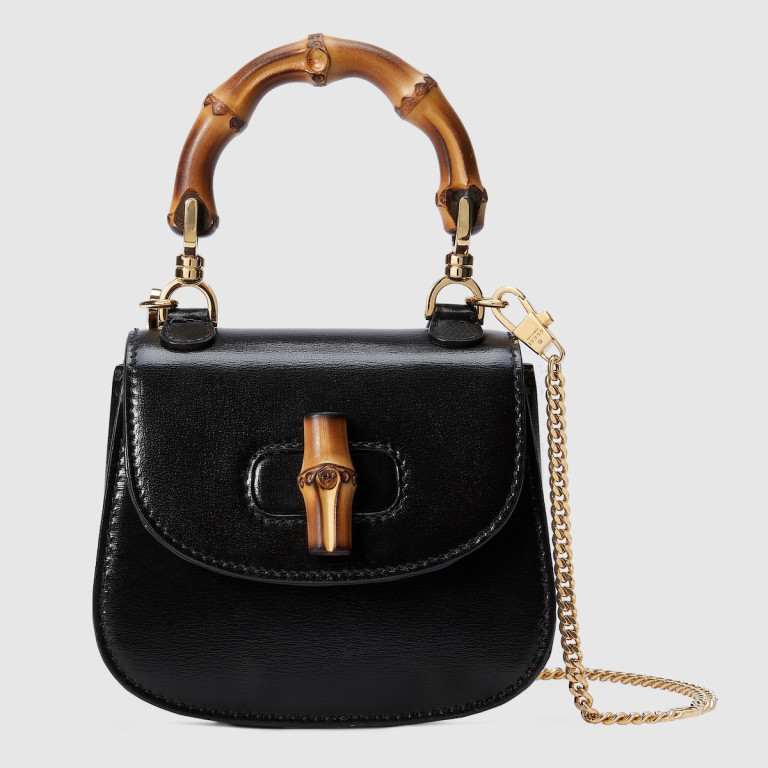
- Louis Vuitton, Gucci, and Chanel, whose luxury handbags and ready-to-wear hold strong resale value.
- Coach, which saw dramatic increases in search interest on resale sites, reflecting renewed collector and trend interest.
- Moncler, Jacquemus, Loewe, and others emerging in designer categories.
- Everyday and mid-tier brands continue to perform well too, as shoppers look for quality and style at diverse price points across platforms.
The variety of brands showing up in resale data highlights how broad the secondhand appeal has become.
How Resale Influences Consumer Behavior
As resale becomes more visible, shoppers are rethinking their wardrobes and purchases. Some key shifts include:
- Mindful purchasing: Consumers consider whether an item will retain style or value over time.
- Collectibility: Vintage and limited editions become expressions of personal style.
- Extended use cycles: Clothing stays in circulation longer, reflecting circular fashion ideals.
These behaviors encourage more thoughtful fashion interaction rather than fast, disposable consumption.
Why Retailers Are Embracing Resale
Resale is now part of retail strategy not just for sustainability optics but for real business value. Through resale involvement, brands can:
- Create ongoing engagement with customers after the original sale
- Attract new audiences who may later buy new products
- Collect data on long-term product desirability and durability
Some brands integrate resale directly. Others collaborate with established platforms to offer authenticated secondhand goods that reflect their brand identity.
Circular Fashion and Its Connection to Resale
Resale is a key element of circular fashion, which aims to maintain the utility of products for as long as possible. Rather than a simple recycling narrative, circular fashion encompasses multiple practices, including:
- Repair and refurbishment
- Take-back programs
- Product design for longevity
- Digital tracking of product lifecycles
Resale bridges consumer needs and environmental goals, though measuring the full ecological impact remains complex. Analysts note that proving "displacement" — meaning a secondhand purchase directly replaces a new purchase — is harder than reporting sales figures.
What the Growth of Resale Means for Fashion
The rise of resale challenges how fashion brands think about product life, pricing and engagement. When consumers expect clothing to circulate through multiple owners, the traditional model of one sale followed by disposal is disrupted. Resale also contributes to a cultural shift in how fashion expresses identity, history and sustainability.
Frequently Asked Questions
1. What is the fashion resale market?
The fashion resale market includes online and physical channels where pre-owned clothing and accessories are bought and sold, spanning everyday fashion to high-end luxury.
2. Why is secondhand clothing growth happening now?
Secondhand clothing growth is driven by affordability, sustainability interest, and technology that makes resale easier and socially engaging.
3. How does circular fashion relate to resale?
Circular fashion aims to keep products in use longer. Resale directly contributes to this by extending the life of garments beyond a single wearer.
4. Which brands are most resold online?
Luxury names like Louis Vuitton, Gucci, Chanel and designer labels often top resale charts, while everyday and premium brands also see strong secondhand demand.

© Copyright Fashion Times 2026. All rights reserved.


