
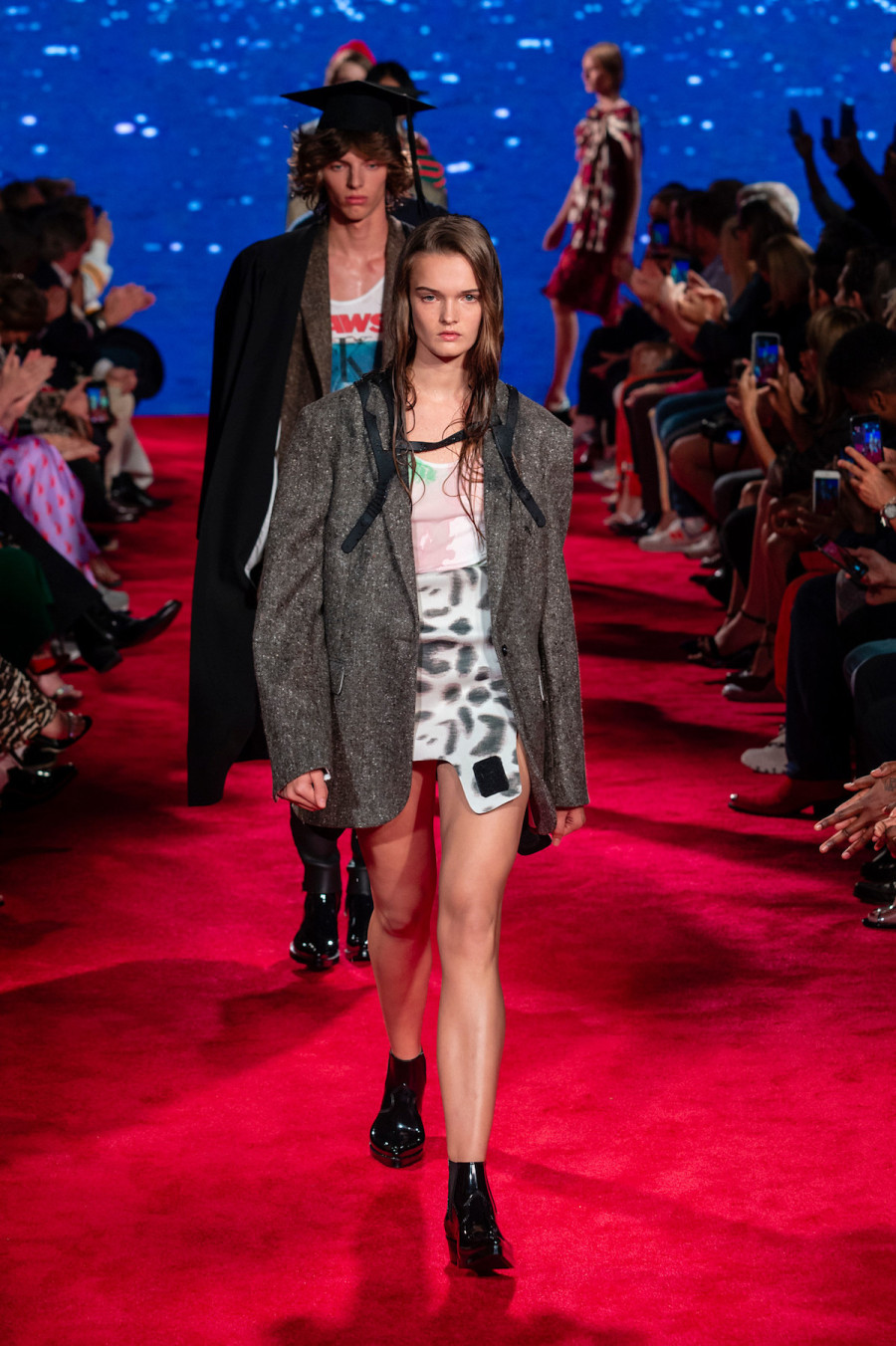
For decades, the fashion runway calendar shaped how clothing was designed, produced, and sold. Designers worked within rigid timelines, releasing Spring or Fall collections months before they reached stores. Today, that structure is being questioned. Across the industry, designers are experimenting with new ways to present designer collections, driven by cultural shifts, sustainability concerns, and rapid industry changes.
This movement is not about rejecting fashion weeks entirely. It is about rethinking whether seasonal schedules still serve designers, retailers, and consumers in a meaningful way.
Understanding the Traditional Fashion Runway Calendar
The traditional runway calendar divides the year into two main seasons. Designers show collections far in advance so buyers and media can plan ahead.
Typical features of this system include:
- Fixed Spring Summer and Fall Winter presentations
- Long gaps between runway shows and retail availability
- Heavy reliance on wholesale buyers and fashion editors
This model once offered predictability. It allowed retailers to plan inventory and gave designers a clear rhythm for creative output. Over time, however, the pace of fashion accelerated, and the gaps between runway and consumer began to feel disconnected from how people actually shop.

Why Designers Are Questioning Seasonal Collections
Many designers now view the seasonal calendar as restrictive rather than helpful. The pressure to deliver multiple collections every year can dilute creativity and strain resources.
Key reasons behind this shift include:
- Creative fatigue from constant deadlines
- Rising production costs tied to frequent releases
- Environmental concerns caused by overproduction
- Changing consumer habits that favor immediacy
Instead of designing for a future season, many brands want their collections to reflect how people dress right now. This has made the old calendar feel out of sync with real life.
Industry Changes Reshaping the Runway System
Broader industry changes are also pushing designers away from rigid schedules. Digital platforms and global disruptions have altered how fashion is consumed and promoted.
Several developments stand out:
- Livestreamed shows that reach audiences instantly
- Social media previews that replace traditional press cycles
- Direct-to-consumer models that reduce dependence on buyers
These shifts mean designers no longer need to wait for a specific week in Paris or New York to launch new work. A collection can be introduced online, through a private showing, or even via a single campaign image.

What Designers Are Doing Instead
Moving away from the fashion runway calendar does not mean abandoning structure altogether. Designers are replacing it with more flexible approaches that suit their brand identity.
Common alternatives include:
- Seasonless designer collections designed to be worn year-round
- Capsule drops released when demand feels right
- See now, buy now models that shorten the time between show and sale
Some designers also choose to present fewer collections each year. This allows more time for craftsmanship and reduces the pressure to constantly produce newness.
The Role of Sustainability in Calendar Changes
Sustainability has become a major factor in rethinking runway schedules. Producing multiple seasonal collections often leads to excess inventory and waste.
Designers who move away from the traditional calendar often aim to:
- Produce smaller quantities
- Design pieces with longer lifespans
- Reduce markdown cycles
By slowing down production, brands can focus on quality rather than volume. This approach aligns better with growing consumer awareness around responsible fashion.
How Consumers Are Affected by the Shift
From a shopper's perspective, these changes can feel subtle but meaningful. Clothing becomes more relevant to current weather and lifestyle, rather than a forecasted season months ahead.
Benefits for consumers include:
- Faster access to new designs
- Fewer trend-driven purchases
- Greater transparency about how collections are made
As designers adapt their calendars, they are also redefining how people engage with fashion. The runway becomes less of a distant spectacle and more of a conversation with the audience.
Is the Traditional Runway Calendar Disappearing?
Despite these changes, the fashion runway calendar is not disappearing entirely. Many designers still value the visibility and cultural impact of major fashion weeks.
What is emerging instead is a hybrid system:
- Some brands follow the calendar selectively
- Others alternate between seasonal shows and off-calendar releases
- Many mix physical runways with digital presentations
This flexibility allows designers to participate in fashion weeks without being fully defined by them.
How This Shift Is Redefining Designer Collections
As the industry evolves, designer collections are becoming less about seasons and more about storytelling. Designers are focusing on continuity rather than constant reinvention.
Collections today often emphasize:
- Timeless silhouettes
- Modular pieces that can be styled across seasons
- Narratives that unfold over time
These approaches reflect a broader understanding of fashion as part of everyday life, not just a biannual event.
What the New Fashion Calendar Signals for the Industry
The move away from rigid schedules signals a deeper transformation. Fashion is becoming more adaptive, more personal, and more responsive to real-world conditions.
Rather than asking when a collection should be shown, designers are asking why it exists at all. This mindset shift may prove more influential than any single runway show.
Why the Future of Fashion Looks Less Seasonal
The evolution of the fashion runway calendar highlights how deeply the industry is changing. Designers are prioritizing flexibility, sustainability, and relevance over tradition. As these industry changes continue, the calendar is becoming a tool rather than a rule. Fashion's future may not follow a strict schedule, but it is moving toward a more thoughtful and intentional rhythm.
Frequently Asked Questions
1. What is a fashion runway calendar?
The fashion runway calendar is a traditional schedule that organizes when designers present collections, usually around Spring Summer and Fall Winter seasons.
2. Why are designers moving away from seasonal runway shows?
Many designers find seasonal shows costly, creatively limiting, and out of sync with how consumers shop today.
3. Are seasonless designer collections becoming more common?
Yes. Seasonless designer collections allow brands to release clothing based on relevance rather than fixed dates.
4. Will fashion weeks still matter in the future?
Fashion weeks are likely to remain important, but in a more flexible form that allows designers to choose how and when they participate.

© Copyright Fashion Times 2026. All rights reserved.


