

Fashion trends often begin with color or fabric, but silhouette is what truly reshapes how clothing is worn and understood. On recent runways, designers have shifted focus toward bold proportions, altered volumes, and intentional structure. These runway silhouettes signal deeper changes in how fashion responds to lifestyle, identity, and movement rather than surface-level aesthetics.
Instead of chasing novelty, many collections explore form as the main storytelling tool. This season's fashion shape trends show designers rethinking balance, scale, and body interaction through deliberate designer cuts.
What Runway Silhouettes Represent in Modern Fashion
A runway silhouette refers to the overall outline a garment creates on the body. It is influenced by cut, construction, fabric weight, and proportion rather than decoration alone. While details change each season, silhouette sets the foundation for how clothes function and feel.
In current collections, silhouettes are less about perfection and more about intention. Designers are experimenting with shape to communicate confidence, protection, ease, or fluidity. This approach reflects how fashion increasingly mirrors real-world shifts such as remote work, changing social norms, and the blending of formal and casual wardrobes.

Why Designers Are Reworking Fashion Shape Trends
Several forces are driving the evolution of silhouette design. Comfort has become non-negotiable, but it is being paired with structure instead of replacing it. There is also a growing emphasis on individuality, where garments are designed to accommodate different bodies and styling choices.
Key reasons behind today's silhouette shifts include:
- A move away from hyper-fitted styles toward adaptable shapes
- Increased interest in garments that layer easily
- A focus on longevity rather than trend saturation
These changes explain why many runway silhouettes appear dramatic on the catwalk yet are engineered to translate into wearable forms.
Dominant Runway Silhouettes Shaping the Season
Oversized and Voluminous Forms
Oversized silhouettes continue to dominate, but they are more refined than previous iterations. Designers use precise tailoring to control volume rather than relying on excess fabric alone.
Common characteristics include:
- Broad shoulders paired with relaxed trousers
- Full skirts balanced by minimal detailing
- Outerwear designed to sit away from the body
These designer cuts create visual impact while allowing freedom of movement.
Defined Waists With Flexible Structure
Waist definition has returned in a modernized form. Instead of rigid corsetry, designers use subtle shaping through seams, belts, or fabric tension.
This silhouette approach:
- Emphasizes the torso without restricting movement
- Works across dresses, coats, and tailored separates
- Balances softness with intention
It reflects a shift toward shape without constraint.
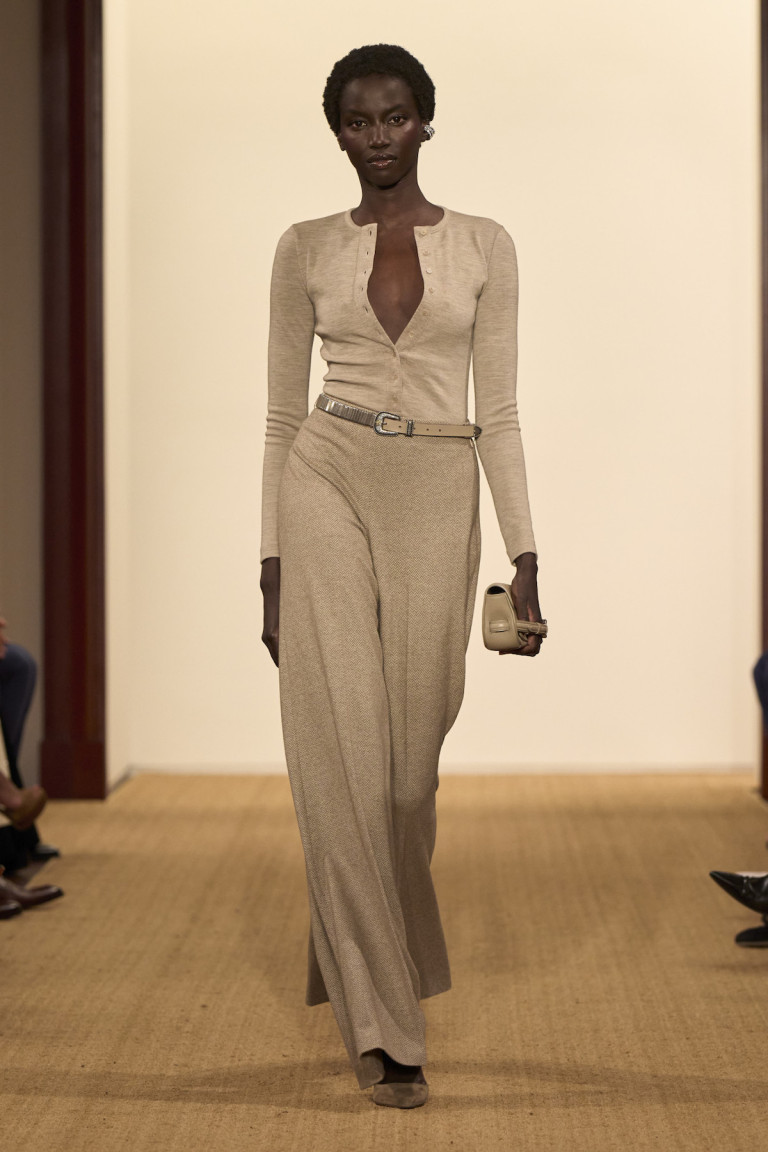
Elongated and Column Silhouettes
Vertical lines are central to many collections. Long, uninterrupted shapes create a sense of calm and confidence, often achieved through straight cuts and fluid materials.
Designers favor:
- Floor-length coats and dresses
- Narrow trousers with minimal tapering
- Clean lines that extend the body visually
These silhouettes align with minimal styling and versatile layering.
Rounded and Cocoon Shapes
Curved silhouettes are gaining traction, particularly in outerwear. Cocoon coats and rounded jackets offer an alternative to sharp tailoring.
This trend highlights:
- Soft architecture rather than strict angles
- Emphasis on comfort and protection
- Sculptural forms created through fabric choice
These fashion shape trends suggest a softer interpretation of structure.
How Designer Cuts Create These Silhouettes
Silhouette is rarely accidental. It is the result of technical decisions made during pattern drafting and construction. Designers manipulate seams, darts, and fabric tension to guide how a garment sits on the body.
Key elements that influence silhouette include:
- Fabric weight and stiffness
- Placement of seams and panels
- Balance between internal structure and drape
Understanding designer cuts helps explain why similar garments can look dramatically different depending on construction.
From Runway to Wardrobe
While runway presentations often exaggerate shape, the core ideas filter into ready-to-wear collections. Brands adapt volume, length, and proportion to suit everyday use without losing the essence of the silhouette.
Consumers are most likely to see:
- Relaxed tailoring replacing slim fits
- Longer hemlines and layered proportions
- Statement outerwear as a focal point
These adaptations show how runway silhouettes influence broader fashion cycles.
What These Runway Silhouettes Signal for Future Style
Current silhouettes suggest fashion is moving toward flexibility rather than extremes. The emphasis is on garments that can be styled multiple ways and worn across different settings. Instead of dictating how bodies should look, designers are offering shapes that adapt to the wearer.
This direction reinforces the idea that fashion shape trends are becoming less prescriptive and more personal, guided by thoughtful designer cuts rather than rigid rules.
Frequently Asked Questions
1. What are runway silhouettes in fashion?
Runway silhouettes describe the overall shape garments create when worn. They are defined by cut, proportion, and construction rather than surface details like prints or embellishments.
2. Why do fashion shape trends change each season?
Fashion shape trends change in response to cultural shifts, lifestyle needs, and creative experimentation. Designers use silhouette to reflect how people live, move, and express identity.
3. Are exaggerated runway silhouettes meant for everyday wear?
Most exaggerated runway silhouettes are conceptual. However, designers adapt these shapes into more wearable versions for retail while maintaining the core design idea.
4. How can consumers apply runway silhouettes to their wardrobe?
Consumers can focus on proportion rather than replication. Choosing one element, such as relaxed tailoring or elongated lines, allows runway ideas to work in everyday outfits without feeling costume-like.

© Copyright Fashion Times 2026. All rights reserved.


