

Runway shows are often seen as aspirational spectacles, but their influence extends far beyond dramatic lighting and front-row cameras. The way looks are styled on the runway directly affects what shoppers eventually see in stores. From silhouettes and color stories to layering techniques and accessories, runway styling impact plays a key role in shaping retail trends and guiding consumer expectations.
Understanding how runway presentations translate into everyday fashion reveals how the fashion industry influence operates behind the scenes and why styling decisions matter just as much as design itself.
What Runway Styling Really Means in the Fashion Industry
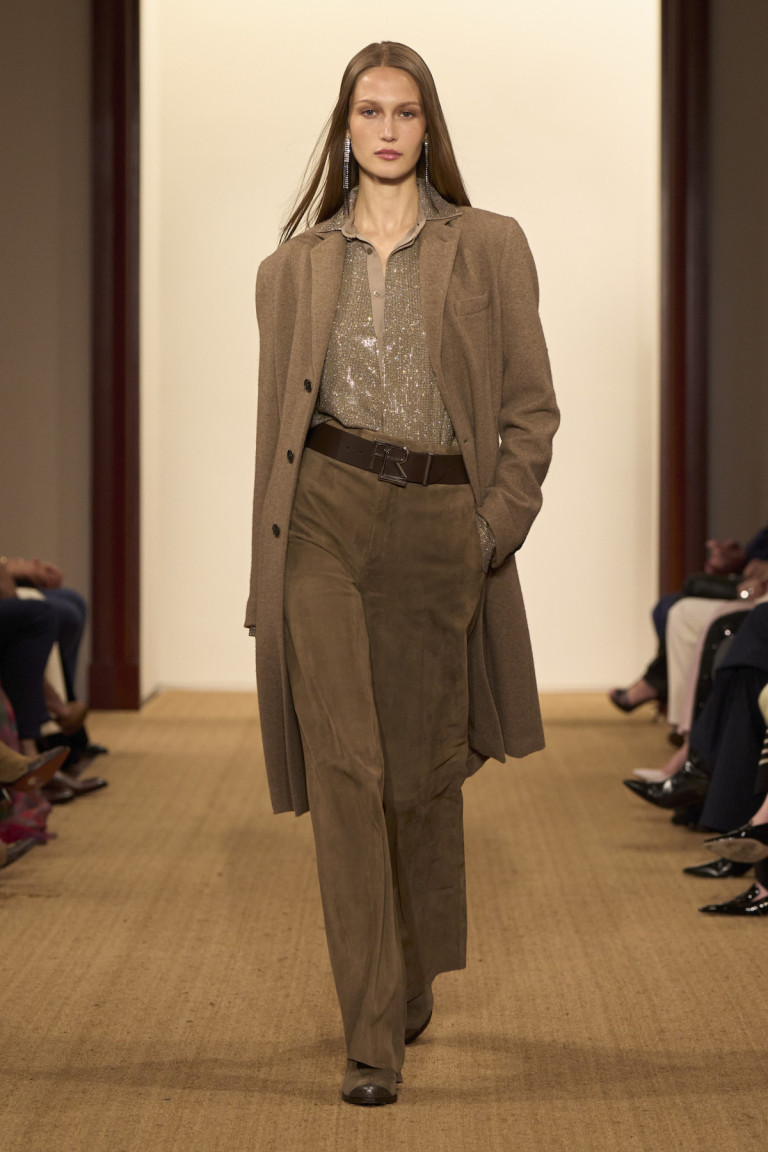
Runway styling goes beyond selecting clothes for a show. It involves crafting a visual narrative that communicates how garments should be worn, combined, and perceived.
Stylists consider:
- Proportions, layering, and balance
- Accessories such as belts, bags, and footwear
- Hair, makeup, and overall mood
- Movement and how garments behave on the body
These elements create a complete look that buyers, editors, and brands interpret when deciding what will resonate at the retail level. While designs provide the foundation, styling delivers the message.

How Runway Styling Impact Drives Retail Trends
Runway styling often introduces ideas that retailers later adapt for broader audiences. These ideas do not always appear in stores exactly as shown, but their influence is unmistakable.
Common retail trends shaped by runway styling include:
- Repeated color combinations that define a season
- Styling tricks like oversized outerwear over delicate pieces
- Unexpected pairings such as formal tailoring with casual footwear
- Accessory-led looks that elevate simple garments
Retail brands observe which styling choices appear across multiple shows, signaling a direction rather than a one-off experiment. This pattern recognition helps retailers align with emerging trends while remaining commercially viable.
Why Retail Brands Pay Close Attention to Styling Choices
Retailers are not just following designers. They are tracking consumer behavior and market signals. Runway styling acts as a testing ground for visual ideas before they reach the mass market.
Several factors explain this close attention:
- Styling helps clarify how a garment fits into a lifestyle
- Buyers can better envision how pieces will be merchandised in stores
- Consistent runway themes reduce risk in trend adoption
When multiple collections emphasize similar styling approaches, it reinforces confidence that the look will translate into sales rather than remain purely editorial.
Translating Runway Looks Into Wearable Fashion
Not every runway look is designed for everyday wear, but its styling still provides valuable insight. Retail adaptation focuses on preserving the essence while adjusting the execution.
This process often involves:
- Simplifying layers to suit climate and practicality
- Swapping luxury materials for accessible alternatives
- Toning down dramatic proportions while keeping the silhouette
- Highlighting a single standout styling detail rather than the full look
By doing so, retailers maintain the fashion industry influence of the runway while meeting consumer expectations for comfort and affordability.
The Role of Fashion Weeks in Accelerating Retail Trends
Fashion weeks remain central to how trends circulate globally. Even in a digital era, runway images and videos spread quickly across platforms, influencing buyers and consumers almost simultaneously.
Runway styling impact becomes more powerful through:
- Immediate online coverage and social sharing
- Street style interpretations that reinforce trends
- Rapid feedback loops between designers, brands, and shoppers
This acceleration means retail trends now emerge faster, with styling cues moving from runway to store shelves in a matter of months or even weeks.
Fast Fashion and the Styling Effect
Fast fashion brands rely heavily on runway styling to guide their rapid production cycles. While designs inspire products, styling determines how those products are presented and sold.
Key styling elements fast fashion adopts include:
- Color palettes that define a season
- Outfit formulas that feel current but wearable
- Accessories that add trend relevance without high cost
This approach explains why shoppers often recognize runway-inspired looks even when they are purchasing budget-friendly items.
Does Runway Styling Still Matter to Consumers?
Despite changing shopping habits, runway styling remains influential because it shapes visual expectations. Even consumers who never watch a fashion show are affected by the imagery that trickles down through media, social platforms, and store displays.
Retail trends shaped by runway styling influence:
- How mannequins are dressed
- How outfits are suggested online
- How shoppers learn new ways to wear familiar items
Styling acts as silent education, teaching consumers what feels modern without requiring direct explanation.
Why Runway Styling Continues to Shape Retail Fashion
Runway styling remains a powerful force because it bridges creativity and commerce. It translates abstract ideas into visual cues that retailers and consumers can understand. While trends evolve and platforms change, the fashion industry influence of runway styling persists through its ability to set direction, spark interpretation, and inspire adaptation across the retail landscape.
Frequently Asked Questions
1. What is the runway styling impact on retail fashion?
Runway styling impact refers to how styling choices on the runway influence retail trends, including how clothes are worn, combined, and presented in stores rather than just how they are designed.
2. How does runway fashion influence everyday clothing?
Runway fashion influences everyday clothing by introducing new silhouettes, color stories, and styling techniques that retailers adapt into wearable and accessible formats.
3. Why do retail brands follow runway styling trends?
Retail brands follow runway styling trends to reduce risk, align with industry direction, and meet consumer expectations shaped by fashion media and visual culture.
4. Does runway styling affect fast fashion differently than luxury retail?
Yes. Fast fashion often adopts runway styling more quickly and in simplified forms, while luxury retail may preserve more of the original styling details and materials.

© Copyright Fashion Times 2026. All rights reserved.


