
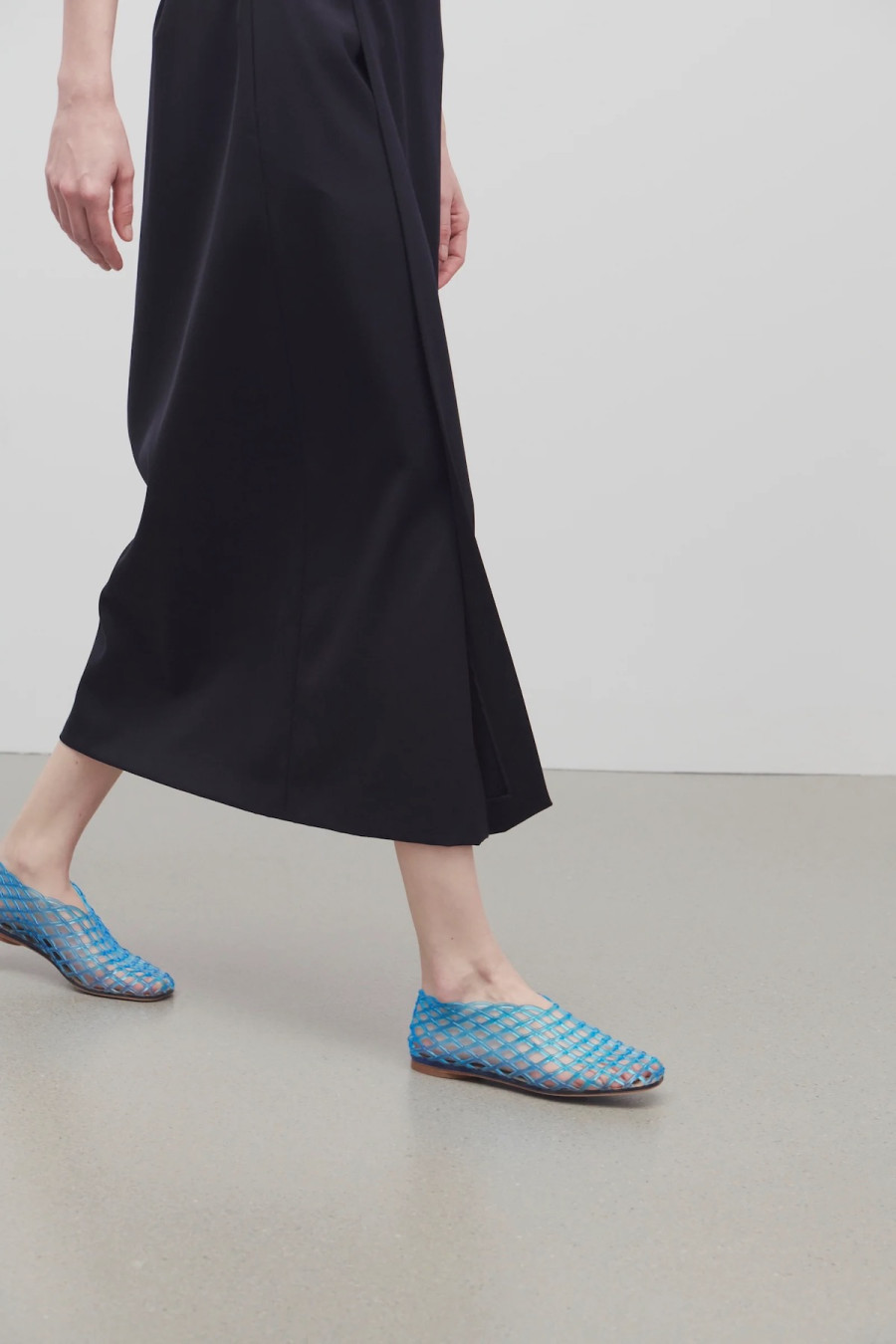
Shoes often sit at the edge of attention, yet they quietly shape how an outfit is perceived. A thoughtfully chosen pair can sharpen proportions, reinforce personal style, and make clothing look more intentional. In fashion conversations, shoes are frequently described as the final detail, but in practice they do much more than finish a look. They anchor it.
Understanding how footwear works within an outfit helps explain why quality shoes tend to elevate even simple clothing. From materials to structure, footwear has a visual weight that influences the entire appearance.
Why Are Shoes So Important in an Outfit?
Shoes are one of the first things people notice after overall silhouette. They sit at eye level when walking and naturally draw attention in motion. Because of this, they play a major role in how polished or casual an outfit appears.
Several factors make shoes especially influential:
- Visual balance: Shoes ground the outfit and prevent it from looking top-heavy.
- Style consistency: They reinforce the tone of the look, whether relaxed, refined, or formal.
- Detail signaling: Clean, well-made shoes suggest care and intention in dressing.
Even when clothing is understated, strong footwear can quietly elevate the entire presentation.

How Do Quality Shoes Change the Way an Outfit Looks?
Quality shoes tend to have better structure, materials, and finishing. These elements translate visually, even if the viewer cannot immediately explain why the outfit looks better.
A few noticeable differences include:
- Sharper lines and defined shape that hold up throughout the day
- Materials that age well rather than breaking down quickly
- Subtle details like stitching, soles, and texture that add depth
These qualities allow shoes to act as reliable outfit finishing touches rather than distracting weak points.
Can Shoes Really Make or Break an Outfit?
Yes, and often more than expected. An outfit can be well-coordinated in color and fit, yet still feel unfinished if the shoes do not match the level of care in the clothing.
Common footwear missteps include:
- Overly worn shoes paired with otherwise polished outfits
- Trend-heavy styles that clash with classic clothing
- Shoes that visually shorten the leg due to poor proportion
Strong shoe styling tips often focus less on trends and more on balance. When footwear aligns with the outfit's mood, everything feels more cohesive.

What Makes a Shoe Look High Quality?
Quality is not just about price. It shows up in construction and design choices that prioritize longevity and comfort.
Key visual indicators include:
- Natural materials like leather, suede, or sturdy textiles
- Even stitching and clean edges
- Soles that feel substantial rather than flimsy
Well-made shoes tend to maintain their shape over time, which keeps outfits looking intentional rather than rushed.
How Do You Match Shoes With an Outfit Properly?
Matching shoes is less about exact color coordination and more about harmony. Shoes should complement the outfit's formality and palette without overpowering it.
Helpful footwear fashion advice includes:
- Neutral tones like black, brown, beige, or white offer flexibility
- Casual outfits benefit from softer textures and lighter soles
- Structured outfits pair best with clean, defined footwear shapes
Thinking in terms of mood rather than rules often leads to better results.
Are Expensive Shoes Always Better?
Higher cost does not automatically mean better value. What matters is how the shoe is made and how often it will be worn.
Shoes are worth investing in when they:
- Serve multiple outfits or occasions
- Are made from durable materials
- Remain stylistically relevant over time
Affordable options can still work well when they meet these criteria, especially for trend-based styles.
What Shoes Go With Almost Everything?
Versatile shoes simplify dressing and reduce decision fatigue. They act as reliable anchors across different outfits.
Commonly adaptable styles include:
- Clean leather sneakers
- Simple loafers or flats
- Low-profile ankle boots
- Minimal sandals in neutral shades
These styles support a wide range of outfit finishing touches without drawing unnecessary attention.
How Many Quality Shoes Should You Own?
There is no universal number, but a small collection of well-chosen shoes often outperforms a large rotation of lower-quality pairs.
A balanced lineup usually covers:
- Everyday casual wear
- Work or semi-formal needs
- Occasional formal events
Prioritizing quality over quantity keeps outfits consistent and easier to style.
How Shoes Influence Confidence and Personal Style
Comfort and confidence are closely linked. Shoes that fit well and feel stable change posture and movement, which affects overall presence.
When shoes align with personal style, they:
- Reduce self-consciousness
- Enhance ease of movement
- Reinforce a sense of identity
This subtle confidence is often what makes an outfit feel complete.
How Quality Shoes Act as True Outfit Finishing Touches
Shoes often serve as the final visual cue that ties everything together. Whether understated or bold, they signal the level of intention behind the outfit.
A well-chosen pair can:
- Elevate simple clothing
- Balance strong colors or patterns
- Add polish without excess effort
This is why thoughtful shoe styling tips focus on cohesion rather than attention-seeking design.
Why Investing in Better Shoes Changes How Outfits Come Together
Quality shoes do not compete with clothing. They support it. Over time, they become reliable pieces that quietly enhance every look they touch. Instead of chasing constant updates, investing in footwear that works across outfits leads to a more refined and consistent style.
Frequently Asked Questions
1. Why do shoes matter more than accessories in an outfit?
Shoes affect posture, movement, and balance. Because they support the entire body, their visual impact tends to be stronger than smaller accessories.
2. Can casual outfits still benefit from quality shoes?
Yes. Casual clothing often looks more intentional when paired with clean, well-made footwear rather than overly worn or trend-heavy shoes.
3. How can someone tell if shoes are lowering the quality of an outfit?
If the shoes look overly worn, poorly structured, or mismatched in formality, they can visually pull down the rest of the look.
4. Are neutral shoes better for everyday wear?
Neutral shoes are easier to style and work across more outfits, making them a practical choice for daily dressing.

© Copyright Fashion Times 2026. All rights reserved.


