
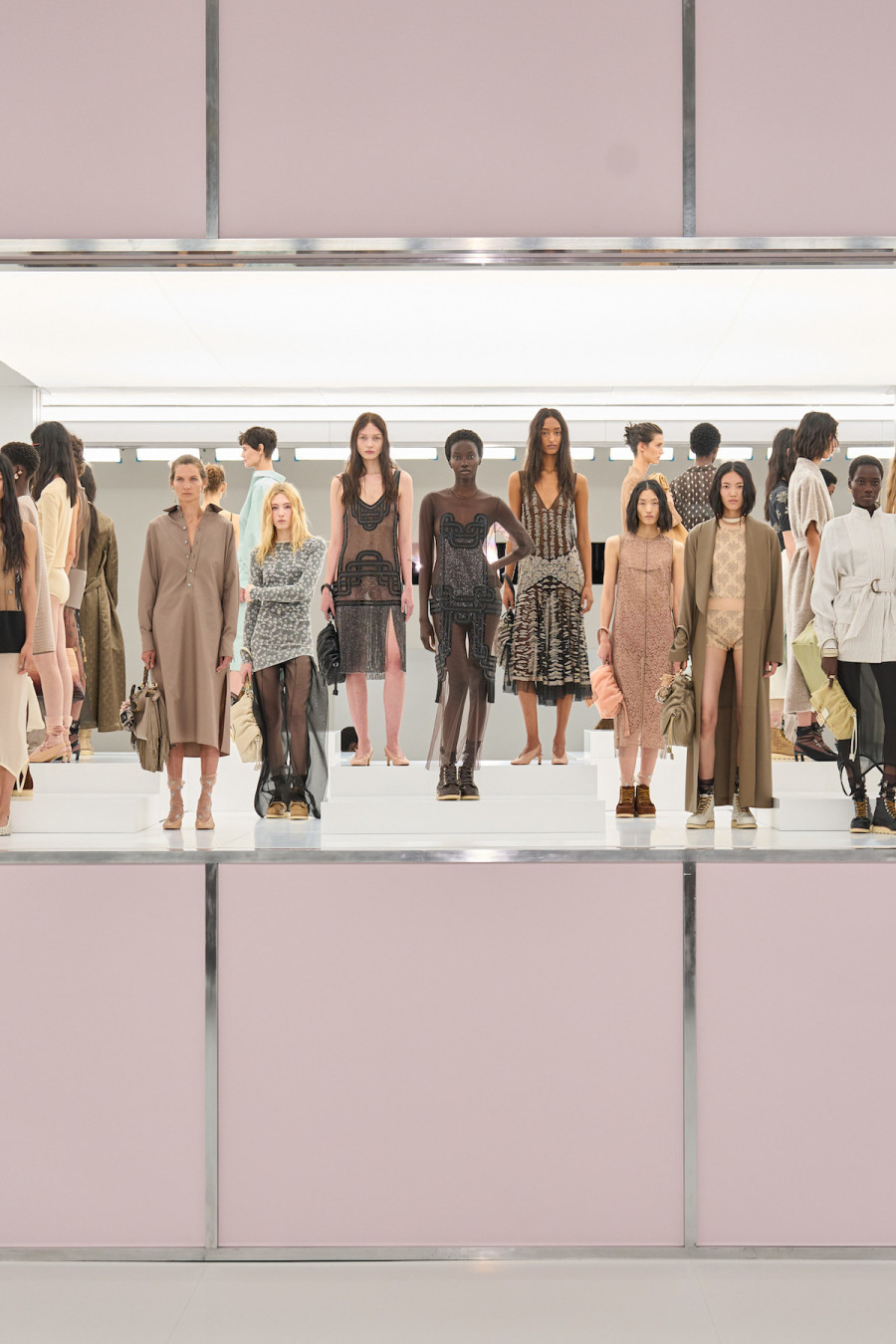
Fashion weeks may follow the same calendar rhythm, but their creative languages are anything but identical. When comparing Paris Fashion Week vs Milan vs New York, the differences go far beyond hemlines, color palettes, or casting choices. Each city reflects its own cultural values, economic priorities, and design philosophies, shaping global runway trends in distinct ways.
Understanding how these fashion capitals operate offers insight into why certain trends feel experimental, others luxurious, and some instantly wearable.
The Cultural DNA Behind Each Fashion Capital
Runway shows do not exist in isolation. They are cultural expressions rooted in history, craftsmanship, and lifestyle.
- Paris emphasizes fashion as an art form with deep couture heritage
- Milan celebrates luxury, sensuality, and exceptional tailoring
- New York prioritizes functionality, diversity, and cultural relevance
Together, these cities define the creative and commercial ecosystem of the fashion industry.

Paris Fashion Week: Where Fashion Becomes Art
Paris has long been regarded as the creative heart of high fashion. Paris Fashion Week is known for treating the runway as a conceptual space rather than a purely commercial one.
Designers often present collections that focus on ideas first and wearability second. Silhouettes can be dramatic, proportions exaggerated, and materials unconventional.
Key characteristics of Paris runways include:
- Strong emphasis on storytelling and artistic direction
- Experimental shapes, layering, and construction
- Couture-level craftsmanship even in ready-to-wear
Paris tends to introduce ideas that later filter into other fashion weeks. Many global runway trends begin here as abstract concepts before being refined elsewhere.
Milan Fashion Week: Luxury Meets Wearability
If Paris is about artistic vision, Milan is about seductive precision. Milan is defined by its mastery of tailoring, fabric innovation, and glamorous appeal.
Italian fashion houses excel at balancing runway drama with real-world desirability. Collections are often bold, polished, and unapologetically luxurious.
Common Milan runway traits:
- Emphasis on tailoring, leather, and rich textiles
- Glamorous silhouettes that flatter the body
- A clear connection between runway pieces and luxury retail
In the Paris Fashion Week vs Milan vs New York conversation, Milan often stands out as the bridge between high artistry and commercial success.
New York Fashion Week: Style for Real Life
New York approaches fashion from a practical and cultural standpoint. New York Fashion Week is deeply connected to lifestyle, media, and the pace of modern life.
Designers focus on clothing that works outside the runway while still making a statement. Inclusivity, diversity, and social relevance play a visible role in casting and design choices.
Notable features of New York runways:
- Clean silhouettes designed for everyday wear
- Strong influence from street style and pop culture
- Broad representation of body types and identities
New York often translates high-fashion ideas into accessible trends, making it a key driver in how global runway trendsreach consumers.

How Runway Trends Differ Across Paris, Milan, and New York
While trends move fluidly between cities, their presentation varies significantly.
Paris typically introduces:
- Concept-driven ideas
- Unconventional proportions
- Artistic experimentation
Milan refines those ideas through:
- Luxurious materials
- Precision tailoring
- Glamorous styling
New York adapts trends by focusing on:
- Wearability and versatility
- Cultural relevance
- Commercial viability
This progression explains why the same trend can feel abstract in Paris, polished in Milan, and practical in New York.
Which Fashion Capital Leads and Which One Sells?
A common industry observation is that leadership and sales are not always aligned.
- Paris sets creative direction and long-term aesthetic shifts
- Milan perfects luxury execution and desirability
- New York accelerates trend adoption into everyday wardrobes
Together, they form a system where inspiration, refinement, and accessibility coexist. This dynamic keeps the fashion industry balanced and responsive.
Why These Differences Matter in Global Runway Trends
Fashion professionals, buyers, and consumers all benefit from understanding these contrasts. Designers anticipate how collections will be received in different markets, while brands tailor strategies depending on regional preferences.
The comparison of Paris Fashion Week vs Milan vs New York reveals how fashion adapts across cultures without losing its core identity.
How Paris, Milan, and New York Continue to Shape Fashion's Future
Rather than competing, these fashion capitals reinforce one another. Their differences allow trends to evolve organically from concept to consumption, ensuring that global runway trends remain both innovative and relevant.
As fashion becomes more digital and global, the distinct voices of Paris, Milan, and New York remain essential to its creative evolution.
Frequently Asked Questions
1. What is the main difference between Paris Fashion Week and Milan Fashion Week?
Paris focuses on artistic expression and conceptual design, while Milan emphasizes luxury, tailoring, and wearable glamour.
2. Why is New York Fashion Week considered more commercial?
New York designs prioritize functionality and lifestyle appeal, making collections easier to translate into ready-to-wear retail.
3. Which fashion week sets global runway trends first?
Paris often introduces new ideas that later influence Milan and New York through refinement and adaptation.
4. Do designers show different styles in different fashion capitals?
Yes. Many designers adjust silhouettes, styling, and presentation to match each city's cultural and commercial expectations.

© Copyright Fashion Times 2026. All rights reserved.


