

Runway shows have long been associated with dramatic silhouettes, experimental styling, and pieces designed more for spectacle than daily wear. In recent seasons, that perception has shifted. Many fashion week trends now reflect how people actually dress, blending creativity with comfort and practicality. Designers are increasingly influenced by street style, lifestyle changes, and consumer demand, resulting in runway trends wearable enough for everyday routines.
This article looks at which runway ideas translate smoothly into everyday fashion, and why modern collections feel more relatable than ever.
Why runway trends feel more wearable now
The gap between runway and real life has narrowed significantly. Designers are responding to how people move, work, and socialize, rather than designing solely for visual impact.
Several factors are driving this change:
- A stronger focus on comfort and versatility
- The influence of street style during major fashion weeks
- The rise of capsule wardrobes and repeat wear
- Social media feedback shaping what resonates beyond the runway
At events like New York Fashion Week and Paris Fashion Week, collections increasingly feature outfits that could be worn straight out of the venue. This shift has made runway trends wearable in ways that were less common a decade ago.

Relaxed tailoring that works beyond the catwalk
Tailoring remains a cornerstone of modern fashion, but the approach has softened. Instead of rigid cuts, designers are favoring ease and movement.
Common elements include:
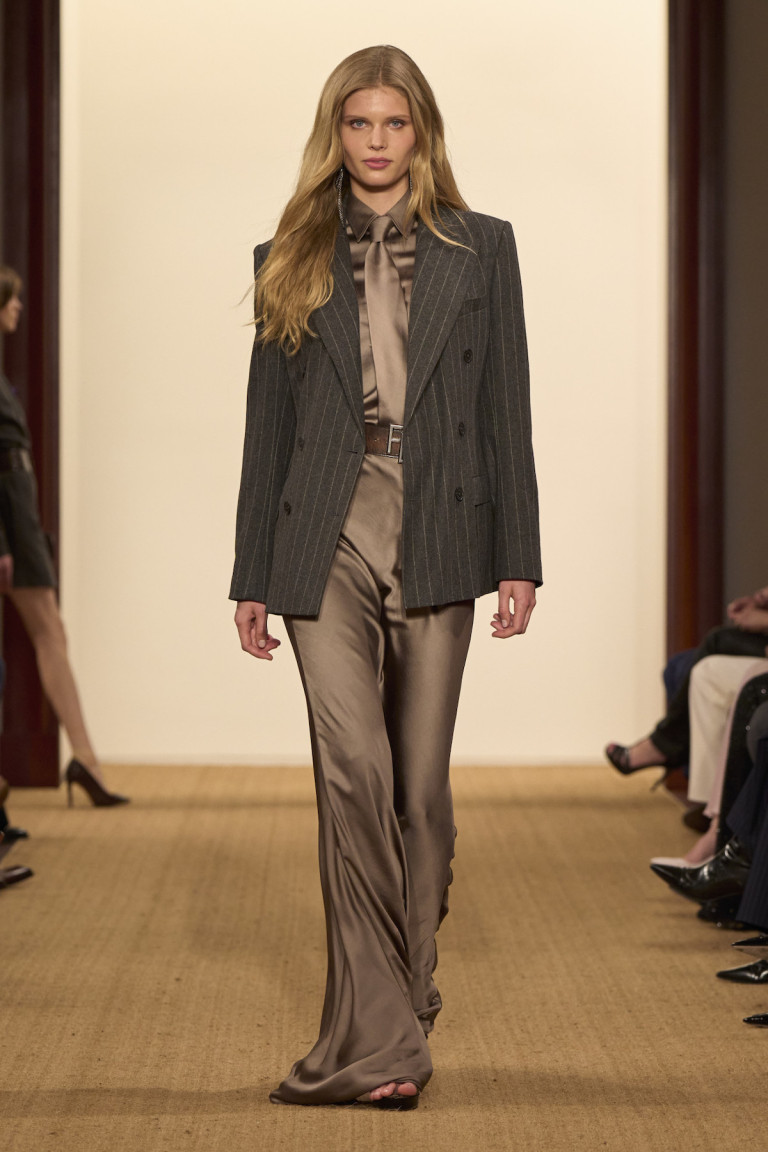
- Oversized blazers with relaxed shoulders
- Wide leg trousers styled with simple tops
- Lightweight suits designed for layering
These pieces work well because they are adaptable. A blazer shown on the runway with dramatic proportions can be worn open with denim or over a basic dress. This makes tailored pieces one of the most reliable fashion week trends for real life.
Neutral color palettes that simplify daily dressing
One of the most noticeable shifts on the runway is the dominance of neutral tones. Beige, gray, black, navy, and muted browns are everywhere.
Why neutrals translate so easily into everyday fashion:
- They mix effortlessly with existing wardrobes
- They work across seasons and occasions
- They highlight texture and fit rather than excess detail
Runway looks often layer multiple neutral shades together, showing how simple colors can still feel intentional. This approach helps turn high fashion styling into something practical without losing visual interest.
Elevated basics taking center stage
Basics are no longer background pieces. On the runway, items like white shirts, tank tops, knitwear, and straight leg jeans are styled as focal points.
Designers emphasize:
- High quality fabrics
- Clean cuts and thoughtful proportions
- Subtle styling rather than heavy embellishment
For everyday wear, this translates into investing in fewer, better pieces. Elevated basics make runway trends wearable because they align with how people already dress, just with a more polished finish.
Statement accessories that still feel functional
Accessories are often the easiest way to adopt fashion week trends without changing an entire wardrobe. Recent runways highlight pieces that balance visual interest with real use.
Popular runway accessories include:
- Oversized tote bags that fit daily essentials
- Belts used to shape relaxed outfits
- Flats and low heels designed for walking
Rather than purely decorative items, these accessories enhance outfits while remaining practical. This makes them ideal entry points for experimenting with runway inspired style.
Footwear trends built for real movement
Shoes have become noticeably more grounded. While heels still appear on the runway, they are no longer the default.
Wearable runway footwear often includes:
- Ballet flats and loafers
- Minimal sneakers paired with tailoring
- Low heeled sandals designed for comfort
These styles reflect how people actually move through their day. When designers prioritize function, footwear trends naturally shift toward everyday fashion rather than fantasy.
How to adapt runway trends without overthinking it
Wearing runway inspired looks does not require copying outfits exactly as shown. The most successful approach is selective.
A practical way to adapt trends:
- Choose one standout piece rather than multiple trends at once
- Balance bold items with familiar basics
- Focus on fit and comfort first
This method keeps outfits wearable while still feeling current. It also allows runway influence to blend naturally into personal style rather than feeling forced.
Wearable Runway Trends Are Reshaping Everyday Style
The modern runway is less about spectacle and more about inspiration. By focusing on relaxed tailoring, neutral palettes, elevated basics, and functional accessories, designers are offering ideas that translate smoothly into daily life. These runway trends wearable in real settings show how fashion week trends now reflect the realities of modern dressing, making everyday fashion more thoughtful without becoming complicated.
Frequently Asked Questions
1. What makes a runway trend wearable in real life?
A wearable runway trend prioritizes comfort, versatility, and styling flexibility. Pieces that can be mixed with basics or worn across different settings tend to translate best.
2. Are fashion week trends meant for everyday fashion?
Not all trends are practical, but many are designed with daily wear in mind. Designers often include approachable looks alongside more experimental pieces.
3. How can runway trends fit into a simple wardrobe?
Incorporating one trend at a time works well. A tailored blazer, neutral knit, or statement bag can refresh a simple wardrobe without overwhelming it.
4. Do wearable runway trends change personal style?
They do not need to. These trends can enhance existing style rather than replace it, offering new ways to wear familiar silhouettes and colors.

© Copyright Fashion Times 2026. All rights reserved.


