
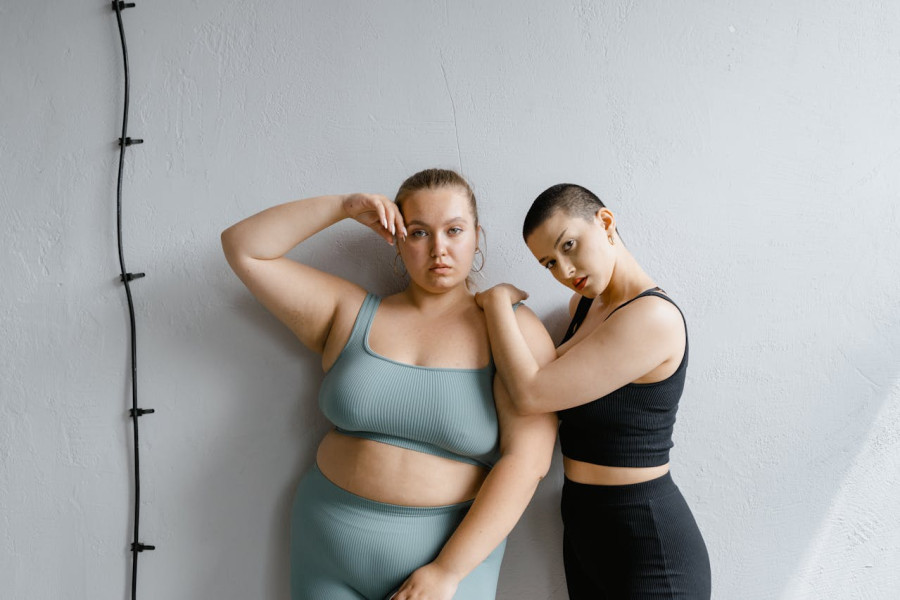
The conversation around size inclusive fashion has gained momentum in recent years, raising the question: is the industry genuinely evolving, or are brands leveraging inclusivity as a marketing strategy? With the plus size clothing industry experiencing steady growth and increasing attention to fashion diversity, understanding the real impact of these efforts is more important than ever.
What Is Size Inclusive Fashion?
Size inclusive fashion refers to the practice of designing and producing clothing that caters to a wide range of body types and sizes, rather than limiting styles to a standard or "straight" sizing spectrum. True inclusivity goes beyond simply adding a few larger sizes; it requires thoughtful design, fit adjustments, and representation across marketing campaigns.
While many brands claim to embrace inclusivity, not all extend this principle beyond token gestures. Genuine size inclusivity considers comfort, style options, and aesthetic equality for all consumers.
How Inclusive Is Today's Fashion Industry?
Despite growing awareness, representation in fashion remains limited. Runways, campaigns, and high-fashion editorials continue to favor smaller sizes, and the plus size clothing industry often struggles to gain equal visibility.
Many brands advertise "size-inclusive" ranges but offer minimal choices beyond standard sizing, creating a disconnect between marketing claims and consumer experience. True inclusivity in fashion requires both product availability and authentic representation.

Why Are Brands Focusing on Size Inclusive Fashion Now?
The push for size inclusive fashion is fueled by a combination of social and economic factors. Activism, influencer advocacy, and consumer demand have pressured brands to broaden their offerings. Simultaneously, the plus size clothing industry represents an untapped market with significant revenue potential. It's making inclusivity both a moral and commercial consideration.
However, critics argue that some brands use inclusivity as a marketing strategy rather than a commitment to change. Campaigns may feature larger models or limited-size collections to project an image of diversity without implementing structural changes in design, production, or distribution.
Challenges Facing the Plus Size Clothing Industry
Despite increasing demand, the plus size clothing industry still faces significant barriers:
- Limited selection: Many brands offer fewer styles or trend options in larger sizes.
- Pricing discrepancies: Larger sizes sometimes carry higher costs due to production complexities, a practice known as "size tax."
- Fit and design issues: Inclusive sizing requires specialized grading and pattern adjustments, which some brands neglect.
- Representation gaps: Marketing campaigns and fashion shows often fail to reflect real body diversity, leaving consumers underserved.
These challenges highlight that while progress has been made, the path toward genuine inclusivity is ongoing.
Does Size Inclusivity Enhance Fashion Diversity?
Fashion diversity encompasses not only body size but also race, gender, age, and other forms of representation. Size inclusive fashion contributes to this diversity by assuring that consumers of all body types feel seen and valued. Brands that authentically embrace inclusivity foster stronger customer loyalty and promote a more equitable fashion landscape.
However, if inclusivity is approached superficially, it risks reinforcing tokenism rather than meaningful fashion diversity. True progress requires intentionality in design, marketing, and organizational structure.
Examples of Progress and Backlash
Some brands offering extensive size ranges and featuring diverse models in campaigns have been praised for genuine efforts toward inclusivity. Others have faced criticism for performative marketing, where inclusivity appears only as a seasonal trend rather than a permanent commitment.
Consumers are increasingly discerning, and social media has amplified scrutiny, making accountability more transparent than ever.
What Needs to Change for Real Progress?
Achieving authentic size inclusive fashion requires several key actions:
- Expand size ranges thoughtfully: Offer multiple sizes with attention to proportion, fit, and style.
- Improve representation: Feature models of various sizes in campaigns, runway shows, and product imagery.
- Structural change in fashion production: Incorporate inclusivity into design, supply chain, and leadership decisions.
- Consumer engagement: Listen to feedback from diverse audiences to ensure products meet real needs.
By addressing these areas, the fashion industry can move beyond marketing narratives toward a genuinely inclusive future.
Conclusion
The rise of size inclusive fashion represents both progress and ongoing challenges. While the plus size clothing industry has grown and brands are increasingly aware of fashion diversity, true inclusivity requires more than marketing campaigns. It demands systemic change, thoughtful design, and authentic representation. Consumers now hold the power to drive accountability, shaping a fashion landscape that celebrates all body types.
Frequently Asked Questions
What is the difference between size inclusive fashion and plus size clothing?
Size inclusive fashion focuses on offering clothing across all body types, whereas plus size clothing specifically targets larger sizes. Size inclusivity ensures representation and options for everyone, not just one segment.
Are most fashion brands genuinely size inclusive?
Many brands advertise inclusivity but offer limited sizes or styles. Genuine size inclusivity requires thoughtful design, product variety, and authentic representation in campaigns and marketing.
How does size inclusivity impact fashion diversity?
Size inclusivity contributes to broader fashion diversity by representing different body types, which enhances cultural and aesthetic diversity in the industry. It helps consumers feel seen and promotes equity in fashion.
© Copyright Fashion Times 2026. All rights reserved.


