
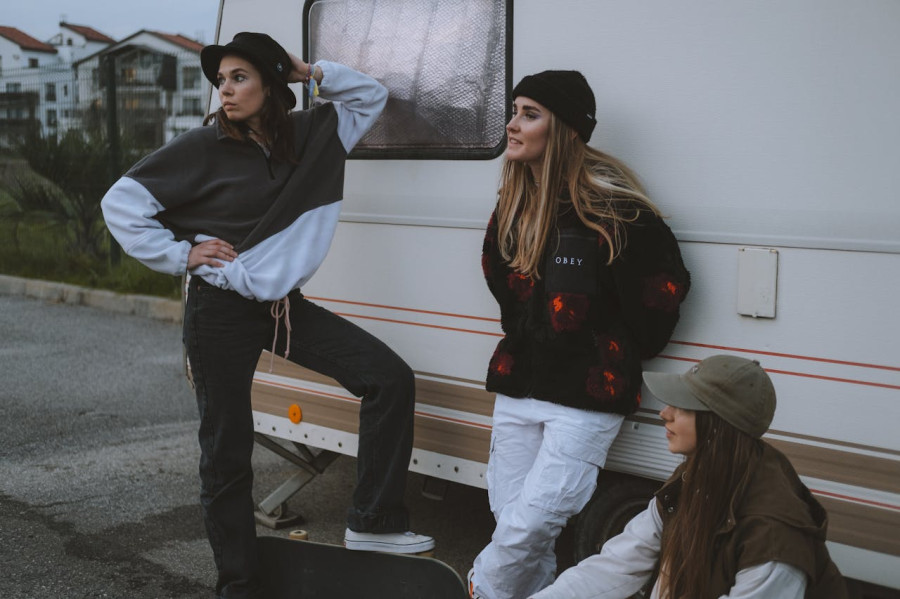
Streetwear has undergone a remarkable transformation, evolving from a niche, grassroots style into a dominant force in global fashion. The streetwear evolution illustrates how clothing rooted in subcultural identity has grown to influence high fashion, and it has redefined what it means to be stylish in the 21st century. By examining the origins, cultural influences, and eventual embrace by luxury brands, one can understand the profound impact of fashion subcultures on today's apparel landscape.
What Is Streetwear? Origins and Main Characteristics
Streetwear, at its core, emphasizes casual, comfortable clothing that resonates with youth culture. Originally characterized by graphic t-shirts, hoodies, sneakers, and distinctive logos, streetwear emerged as a reflection of urban life, music, and art. Its aesthetic drew heavily from skateboarding, hip-hop, and surf communities, creating a unique visual language that prioritized self-expression and authenticity over traditional fashion norms.
How Did Streetwear Start? Roots in Subculture
The origins of streetwear trace back to the 1970s and 1980s in cities like Los Angeles and New York. Skateboarders and hip-hop enthusiasts sought functional, durable clothing, often modifying garments to express individuality. Brands like Stüssy and A Bathing Ape (BAPE) emerged from these grassroots communities, and embodied the ethos of fashion subcultures. Early streetwear was less about mass production and more about identity, community, and personal style.

Which Subcultures Influenced Streetwear Most?
Streetwear's aesthetic and cultural values were shaped by several key subcultures:
- Hip-Hop Culture: From its music to its fashion, hip-hop played a pivotal role in popularizing baggy pants, graphic tees, and sneakers as symbols of urban identity.
- Skateboarding Culture: Skate culture contributed practical silhouettes and durable fabrics, which became central to streetwear's appeal.
- Other Influences: Graffiti artists, punk movements, and niche groups such as the Lo Lifes in New York further enriched the visual and cultural vocabulary of streetwear.
These subcultures collectively formed a foundation that allowed streetwear to transcend its initial audiences and enter broader cultural awareness.
When Did Streetwear Become Mainstream?
Streetwear began its mainstream journey in the 1990s and 2000s, aided by celebrity endorsements, music videos, and urban media exposure. Limited-edition releases, or "hype" drops, created demand and exclusivity, attracting new audiences beyond subcultural roots. Social media further accelerated this trend, allowing streetwear to reach global audiences almost instantly. By the early 2010s, streetwear was no longer confined to skateparks or underground music venues. It was a cultural phenomenon.
What Is Luxury Streetwear and How Did It Happen?
The rise of luxury streetwear marked a significant evolution in fashion. High-end designers began integrating streetwear elements into runway collections, blending casual aesthetics with couture craftsmanship. Iconic collaborations, such as Louis Vuitton x Supreme, demonstrated how streetwear could bridge the gap between grassroots subculture and luxury branding. Designers like Virgil Abloh and Kim Jones redefined streetwear's possibilities, merging urban sensibilities with luxury marketing.
Why Did Luxury Brands Embrace Streetwear?
Luxury brands recognized streetwear's power to connect with younger, trend-conscious consumers. The appeal lay in its authenticity, cultural relevance, and ability to blur the lines between casual and formal wear. By incorporating streetwear elements into high-fashion lines, luxury houses not only remained relevant but also attracted a broader, more diverse audience. This cross-pollination reinforced the idea that fashion subcultures are a source of innovation and influence within the luxury sector.
Current Trends in Streetwear and Luxury Streetwear
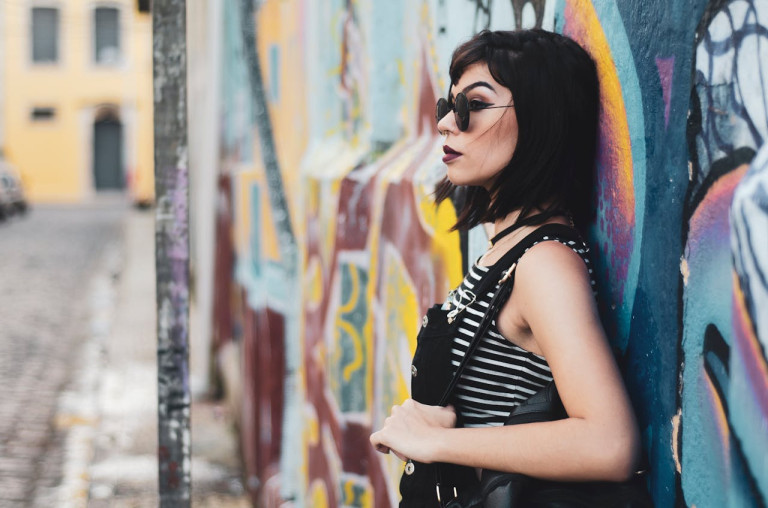
Today, streetwear continues to evolve. Trends include gender-fluid designs, sustainable production practices, and experimentation with new silhouettes and technical fabrics. Subgenres like gorpcore, techwear, and minimalist streetwear showcase the dynamic nature of streetwear evolution. Additionally, collaborations between luxury brands and streetwear labels remain a defining feature, keeping the style both exclusive and aspirational.
How Has Streetwear Influenced Broader Fashion?
Streetwear's impact extends beyond sneakers and hoodies. It has reshaped runway presentations, marketing strategies, and consumer expectations. Luxury houses increasingly incorporate streetwear elements into seasonal collections, while casual clothing brands adopt street-inspired designs to appeal to younger consumers. In essence, streetwear has redefined how fashion interacts with identity, culture, and lifestyle.
Conclusion
The journey of streetwear from subcultural roots to luxury mainstay highlights the enduring influence of fashion subcultures. Its evolution demonstrates how grassroots movements can redefine global fashion and blends authenticity with aspirational aesthetics. As luxury streetwear continues to grow, its story serves as a testament to the power of culture, creativity, and community in shaping the style of the modern era.
Frequently Asked Questions
What is the main factor behind streetwear evolution?
The main factor behind the streetwear evolution is the influence of urban fashion subcultures like hip-hop, skateboarding, and punk. These communities emphasized authenticity, self-expression, and practical style. It also lay the foundation for streetwear's mainstream and luxury appeal.
How did luxury brands adopt streetwear?
Luxury brands embraced streetwear to remain culturally relevant and attract younger audiences. Collaborations with streetwear labels, limited-edition releases, and designer reinterpretations of casual apparel allowed luxury streetwear to merge exclusivity with the grassroots authenticity of subcultural fashion.
What are current trends in luxury streetwear?
Current luxury streetwear trends include gender-fluid clothing, sustainable materials, techwear influences, and continued collaborations between high-end designers and streetwear brands. These trends reflect ongoing streetwear evolution and its integration into global fashion.

© Copyright Fashion Times 2026. All rights reserved.


