
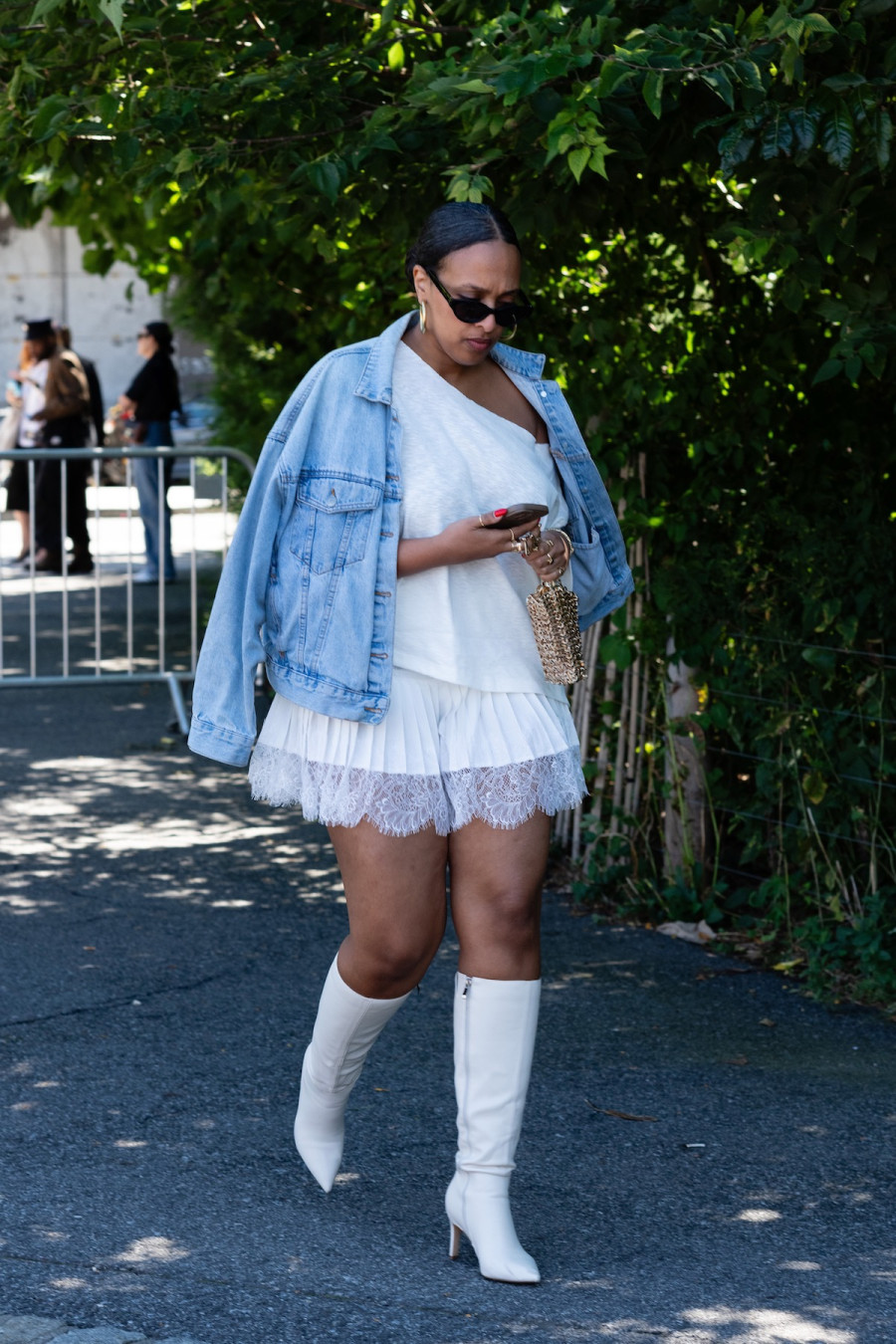
Outfit repeating has quietly shifted from something people avoided to something many style-conscious individuals now embrace. As conversations around sustainability and authenticity grow louder, repeating outfits is no longer framed as a lack of creativity. Instead, it reflects clarity, intention, and a well-defined personal style.
Good style is rarely about constant novelty. It is about knowing what works and returning to it with confidence. Outfit repeating shows comfort in one's choices and a deeper understanding of how clothing supports identity, lifestyle, and values.
What Outfit Repeating Really Communicates
Repeating outfits sends a clear message about how someone approaches fashion. It often signals decisiveness rather than indifference.
- Confidence in silhouette, color, and fit
- Comfort with being seen consistently rather than constantly reinvented
- Preference for function and longevity over trend chasing
People with strong personal style tend to rely on trusted combinations. They know which pieces flatter them, move well with their routines, and feel authentic. Repetition becomes a feature, not a flaw.

The Cultural Shift Behind Repeating Outfits
For years, social media encouraged the idea that every appearance needed a new look. Outfit repeating was quietly discouraged, especially in digital spaces where visibility felt tied to novelty.
That mindset is changing. Rising awareness of textile waste, fast fashion burnout, and decision fatigue has pushed many toward more thoughtful wardrobes. Sustainable fashion habits have brought repetition into focus as a responsible and stylish choice.
Instead of asking, "Have I worn this before?" people are asking, "Does this still represent me?"
Why Stylish People Repeat Outfits on Purpose
Repeating outfits is rarely accidental among people known for good style. It is usually intentional.
Common reasons include:
- Reduced mental load when getting dressed
- Strong attachment to a specific look or formula
- Investment in fewer, better-made pieces
Style icons, creatives, and professionals often rely on uniform-like dressing. Repetition allows the focus to shift from what is worn to how it is worn. When clothes stop demanding attention, confidence fills the gap.

Outfit Repeating and Sustainable Fashion Habits
Sustainable fashion habits are built on usage, not just purchasing decisions. Repeating outfits plays a major role in reducing fashion's environmental footprint.
Key impacts include:
- Lower demand for fast, disposable clothing
- Extended lifespan of garments already owned
- Less pressure to constantly buy "new"
A repeated outfit that fits well and feels good replaces multiple unnecessary purchases. Over time, this approach creates a wardrobe that reflects values rather than impulse.
Does Repeating Outfits Make Style Feel Stagnant?
Repetition does not automatically mean boredom. Stagnation usually comes from lack of intention, not from wearing the same items again.
Small adjustments can refresh repeated looks:
- Changing shoes or accessories
- Layering differently depending on season or setting
- Styling the same pieces for work, casual, or social contexts
Personal style grows through repetition because it allows experimentation within a stable framework. Instead of starting from scratch every day, people refine details that matter.
Repetition as a Tool for Defining Personal Style
Outfit repeating acts as a mirror. Patterns begin to emerge after wearing certain combinations repeatedly.
Over time, people notice:
- Preferred colors and textures
- Go-to silhouettes that feel most natural
- Items that consistently deliver confidence
This awareness sharpens personal style. Clothing becomes less about external approval and more about internal alignment. Repetition creates recognition, both from others and from oneself.
How Often Is It Normal to Repeat Outfits?
There is no universal rule for how often outfits should be repeated. Frequency depends on lifestyle, environment, and wardrobe size.
General considerations include:
- Workwear may rotate more frequently but still repeat weekly
- Casual outfits often repeat more openly
- Signature pieces may appear multiple times a week
Comfort with repetition usually increases once the fear of judgment fades. Most people are far less observant than assumed.
The Hidden Benefits of a Repetitive Wardrobe
Beyond sustainability and style clarity, repeating outfits offers practical advantages.
These include:
- Saving time during daily routines
- Reducing spending driven by trends
- Feeling grounded in familiar clothing
A repetitive wardrobe often leads to higher satisfaction. Instead of chasing the next purchase, people learn to appreciate what already works.
Why Repeating Outfits Reflects Modern Style Values
Outfit repeating aligns with current cultural shifts toward intentional living. It values use over display and meaning over excess.
Modern style prioritizes:
- Authenticity rather than performance
- Longevity instead of constant change
- Personal comfort alongside aesthetics
In this context, repeating outfits becomes a visible sign of good taste and thoughtful living.
Why Repeating Outfits Is Becoming the New Style Standard
As fashion moves toward responsibility and self-awareness, outfit repeating is gaining respect. It reflects confidence, sustainable fashion habits, and a clear sense of personal style. Wearing the same outfit again is no longer a compromise. It is a choice rooted in knowing what truly works.
Frequently Asked Questions
1. Is outfit repeating acceptable in professional settings?
Yes. In professional environments, consistency often reads as polished and reliable. Repeating well-fitted, neutral outfits is common and rarely noticed.
2. Can outfit repeating still look creative?
Absolutely. Creativity shows through styling choices, layering, and how pieces are combined rather than constant replacement.
3. Does outfit repeating save money?
Yes. Repeating outfits reduces impulse buying and encourages investing in quality pieces that last longer.
4. How can someone start repeating outfits confidently?
Start with a few favorite combinations that feel comfortable and flattering. Repetition becomes easier once confidence replaces self-consciousness.

© Copyright Fashion Times 2026. All rights reserved.


