
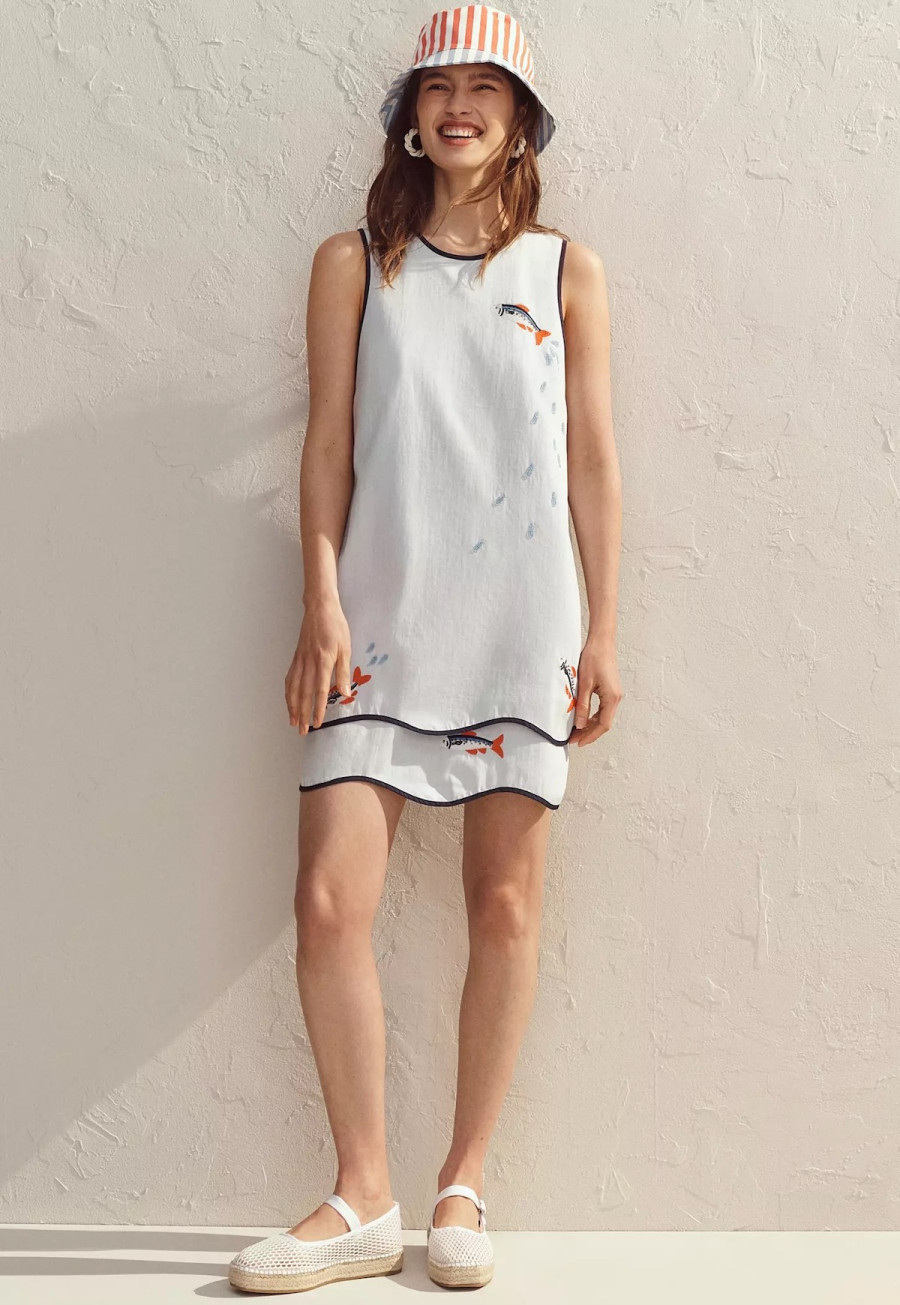
Modern style is no longer about suffering for aesthetics. As daily routines become more flexible and active, clothing has shifted toward pieces that support movement, adaptability, and personal expression. Comfortable fashion has moved from a niche preference to a mainstream standard, influencing how people dress for work, travel, and everyday life. This evolution has given rise to lifestyle dressing, where style works in harmony with real-world needs rather than against them.
Dressing well today means understanding how fabric, fit, and function work together to create practical outfits that feel as good as they look.
What Dressing Stylishly and Comfortably Really Means
Style and comfort are often framed as opposites, but in practice they depend on each other. Clothing that restricts movement or causes discomfort tends to limit confidence and practicality. On the other hand, outfits that prioritize ease without intention can appear unfinished.
Stylish comfort usually comes down to three factors:
- Clothing that allows natural movement without pulling or pinching
- Materials that regulate temperature and feel pleasant on the skin
- Thoughtful silhouettes that look intentional, not accidental
This balance is the foundation of modern comfortable fashion.

Why Comfortable Fashion Has Become the New Standard
The popularity of remote work, increased walking and commuting, and a focus on wellness have reshaped clothing expectations. People now spend more time in outfits that need to perform across multiple settings rather than serving a single purpose.
Comfortable fashion reflects these changes by offering:
- Versatile pieces suitable for different parts of the day
- Reduced reliance on rigid dress codes
- Greater emphasis on wearability and longevity
Lifestyle dressing thrives in this space because it adapts to how people actually live.
Fabrics That Support Comfort and Movement
Fabric choice plays a major role in how clothing feels over time. Some materials look appealing but become uncomfortable after hours of wear. Others maintain comfort while still appearing polished.
Fabrics commonly associated with practical outfits include:
- Cotton blends that breathe and soften with wear
- Knits that stretch without losing shape
- Linen for airflow in warmer climates
- Performance fabrics designed to move and recover
Choosing fabrics with flexibility allows outfits to keep their structure while supporting movement.
The Importance of Fit in Lifestyle Dressing
Fit determines how clothing interacts with the body. Tight clothing restricts motion, while overly loose garments can interfere with activity. Lifestyle dressing focuses on balanced proportions.
Effective fit usually includes:
- Shoulder seams that align naturally
- Waistlines that allow sitting and bending comfortably
- Sleeves and hems that do not restrict range of motion
Tailoring is often overlooked in comfortable fashion, yet small adjustments can significantly improve both comfort and appearance.

Building Practical Outfits for Everyday Life
Practical outfits are designed for real schedules rather than idealized scenarios. They account for walking, temperature changes, and long periods of wear.
A functional wardrobe often includes:
- Layering pieces that can be added or removed easily
- Neutral base items that mix well together
- Footwear designed for standing and walking
Instead of planning outfits around occasions, lifestyle dressing builds outfits around activities.
Shoes and Their Impact on Comfort and Style
Footwear affects posture, mobility, and endurance throughout the day. Stylish shoes that lack support often limit how long they can realistically be worn.
Comfort-forward footwear choices include:
- Cushioned soles with flexible construction
- Supportive flats, loafers, or modern sneakers
- Materials that reduce friction and pressure points
Well-designed shoes anchor practical outfits and influence how confidently someone moves.
Accessories That Enhance Lifestyle Dressing
Accessories are often where personal style shines, but they can also affect comfort. Heavy bags, restrictive belts, or overly delicate pieces may interfere with movement.
Functional accessories tend to be:
- Lightweight and evenly balanced
- Easy to adjust throughout the day
- Durable enough for repeated use
When accessories serve a purpose, they complement comfortable fashion instead of complicating it.
Dressing Comfortably While Staying Style Conscious
Following trends does not require sacrificing comfort. Many trends can be adapted by focusing on their silhouettes or color palettes rather than exact replicas.
Comfort-aware styling choices include:
- Selecting trend-inspired pieces in flexible fabrics
- Prioritizing movement-friendly cuts
- Mixing trend items with familiar wardrobe staples
This approach allows lifestyle dressing to remain current without becoming restrictive.
Comfortable Fashion as a Long-Term Style Strategy
Comfort-driven clothing choices tend to age better than trend-heavy pieces. They align with sustainability by encouraging repeat wear and reducing impulse purchases.
Practical outfits support:
- Consistent personal style
- Reduced wardrobe fatigue
- Better cost-per-wear over time
Lifestyle dressing ultimately reflects how style evolves alongside daily habits.
Comfortable Fashion That Works With Real Life
Dressing stylishly while prioritising comfort is less about rules and more about awareness. When clothing supports movement, temperature, and routine, it becomes easier to express style naturally. Comfortable fashion allows lifestyle dressing to feel intentional rather than forced, making practical outfits a reliable foundation for modern wardrobes.
Frequently Asked Questions
1. What is comfortable fashion?
Comfortable fashion refers to clothing designed to support movement, breathability, and all-day wear without sacrificing visual appeal. It focuses on function alongside style.
2. How is lifestyle dressing different from casual wear?
Lifestyle dressing adapts to daily routines and activities, not just relaxed settings. It blends practicality with thoughtful styling rather than focusing solely on comfort.
3. Can practical outfits still look polished?
Yes. Practical outfits rely on fit, fabric, and coordination. When these elements are considered, comfort-focused clothing can appear refined and intentional.
4. How can someone start building a comfort-focused wardrobe?
Start by evaluating which clothes feel best during long days. Gradually replace restrictive items with versatile pieces that support movement and mix easily with existing outfits.

© Copyright Fashion Times 2026. All rights reserved.


