
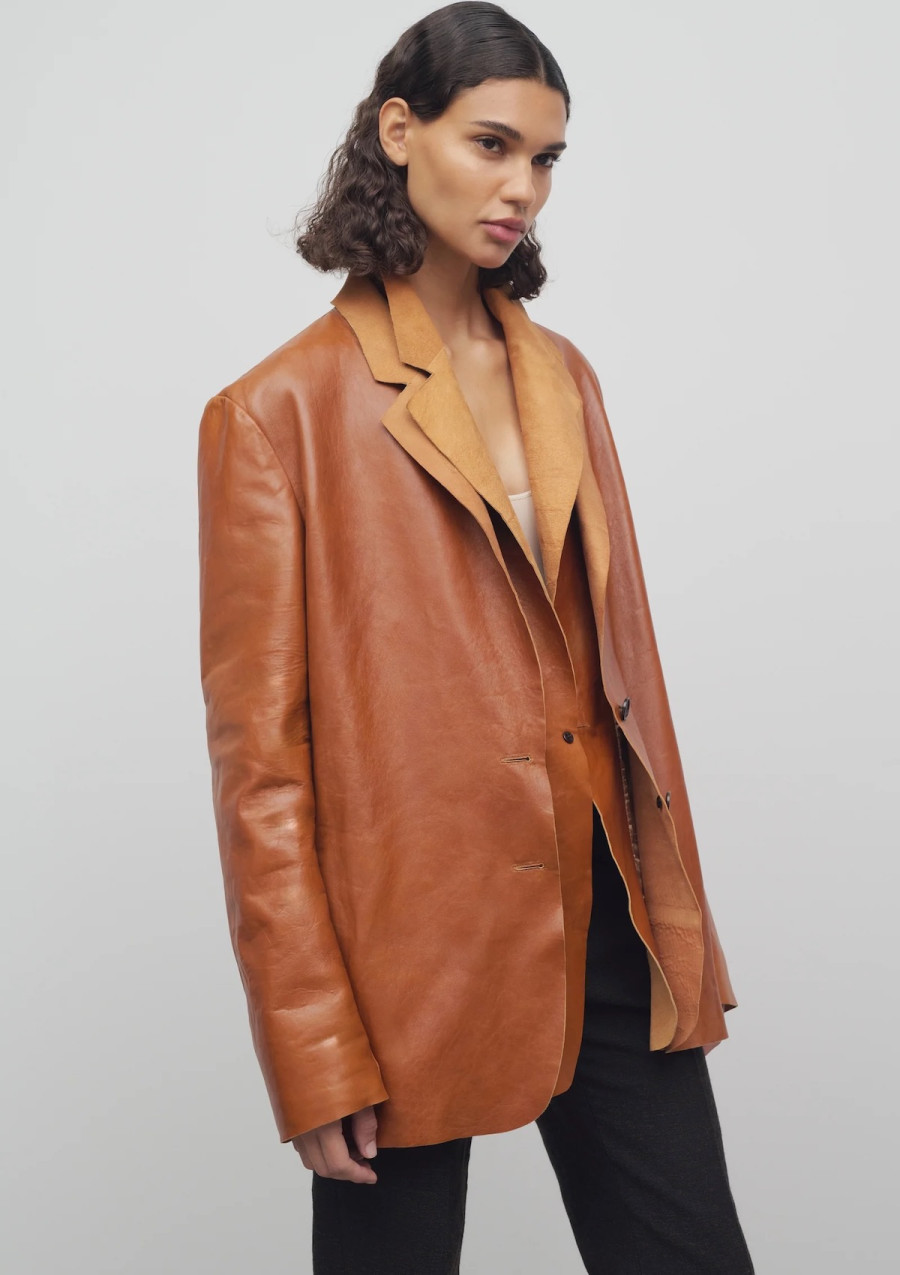
In recent years, fashion loyalty has shifted from logo recognition to emotional connection. Shoppers are no longer just buying clothes. They are buying into aesthetics, values, and lifestyles. This shift explains the rise of cult fashion brands, labels that inspire devoted followings through identity-driven design rather than mass appeal. Among the most discussed trending designers and modern fashion labels today are Jacquemus, The Row, and Alo Yoga.
Each brand approaches fashion differently, yet all three reflect how modern consumers engage with style, culture, and status in more personal ways.
What Defines a Cult Fashion Brand Today?
Cult fashion brands stand apart by creating emotional loyalty rather than chasing trends at scale. Their growth is often organic, fueled by community enthusiasm rather than heavy advertising.
Common characteristics include:
- A distinct and recognizable aesthetic
- Limited availability or controlled distribution
- Strong alignment with a lifestyle or mindset
- Consistent storytelling across collections and platforms
Unlike fast fashion or mainstream luxury, these modern fashion labels thrive on resonance. Their customers feel seen, not sold to.

Jacquemus and the Power of Playful Minimalism
Jacquemus has become one of the most recognizable names among trending designers, thanks to its ability to balance simplicity with bold visual identity.
Founded by Simon Porte Jacquemus, the brand gained traction through its Mediterranean-inspired color palette, unconventional silhouettes, and strong digital presence. Its runway shows often feel like visual art installations rather than traditional fashion presentations.
Key reasons Jacquemus built a cult following:
- Designs that feel joyful without appearing gimmicky
- Viral accessories that spark conversation without relying on logos
- Direct communication from designer to audience through social media
Jacquemus appeals to a generation that values authenticity and creativity. Its fans do not just follow collections. They follow the story behind them.
The Row and the Rise of Quiet Luxury
While Jacquemus leans expressive, The Row represents the opposite end of the spectrum. Founded by Mary-Kate and Ashley Olsen, the label has become synonymous with restraint, precision, and craftsmanship.
The Row's cult status comes from what it intentionally avoids:
- No visible branding
- Minimal marketing
- Little reliance on trends or seasonal hype
Instead, the brand focuses on fabric quality, tailoring, and longevity. This approach aligns with the growing interest in quiet luxury, where understated design signals confidence and discernment.
Why The Row resonates as a cult fashion brand:
- It rewards close attention rather than instant recognition
- Pieces feel timeless instead of trend-based
- Scarcity increases desirability without aggressive promotion
Among modern fashion labels, The Row demonstrates that subtlety can be as powerful as spectacle.
Alo Yoga and Fashion as Lifestyle Identity
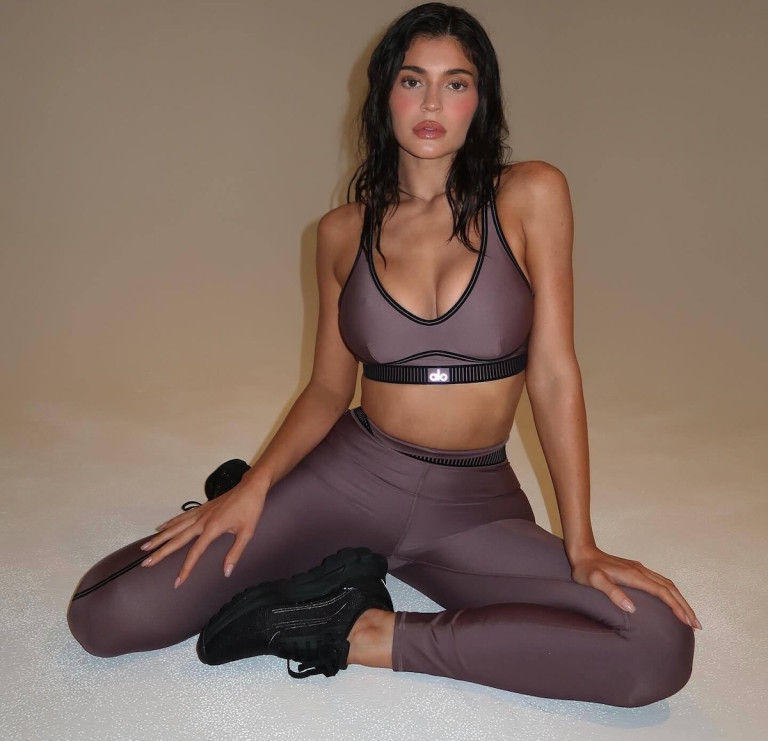
Alo Yoga occupies a unique position among cult fashion brands by blending performance wear with everyday style. Originally rooted in yoga apparel, the brand has expanded into a full lifestyle offering that extends beyond the studio.
Alo Yoga's appeal lies in how it integrates wellness, fashion, and social visibility.
What drives its cult following:
- Athleisure that transitions easily from workouts to daily wear
- Strong presence among celebrities and fitness influencers
- Branding that emphasizes mindfulness and movement
Unlike traditional activewear brands, Alo Yoga positions itself as a symbol of balance and modern living. Its clothing functions as both apparel and personal branding, especially within digital spaces.
Shared Patterns Among Cult Fashion Brands
Despite their differences, Jacquemus, The Row, and Alo Yoga share core strategies that explain their influence as trending designers and modern fashion labels.
These patterns include:
- Clear aesthetic boundaries that are rarely compromised
- Loyal communities that act as organic marketers
- Products that communicate identity rather than status
Some rely on spectacle, others on silence, but all prioritize consistency. In a crowded fashion landscape, clarity has become more valuable than constant reinvention.
Why Cult Fashion Brands Continue to Shape Modern Style
The growing influence of cult fashion brands signals a broader change in consumer behavior. Shoppers increasingly seek meaning, longevity, and alignment with personal values. Whether through playful design, minimalist luxury, or wellness-driven athleisure, these brands reflect how fashion now functions as self-expression rather than seasonal consumption.
As modern fashion labels continue to evolve, cult followings are likely to become more important than mass appeal. The success of Jacquemus, The Row, and Alo Yoga suggests that relevance today is built through connection, not volume.
Frequently Asked Questions
1. What makes a brand a cult fashion brand?
A cult fashion brand builds strong emotional loyalty through a distinct identity, limited accessibility, and consistent storytelling. Its audience feels personally connected to the brand rather than simply attracted to trends.
2. Are cult fashion brands considered luxury?
Not always. Some are luxury labels like The Row, while others like Alo Yoga focus on lifestyle and function. The defining factor is loyalty, not price point.
3. Why are trending designers focusing on smaller audiences?
Smaller, engaged communities often create stronger brand advocacy. This approach allows designers to maintain creative control and avoid oversaturation.
4. Will cult fashion brands replace mainstream labels?
They are unlikely to replace them entirely, but they influence how mainstream brands approach design, marketing, and community building.

© Copyright Fashion Times 2026. All rights reserved.


