

Social media has become fashion's biggest showroom. Perfect lighting, strategic posing, and careful editing can make almost any outfit look effortless on-screen. But when those same trends leave the feed and enter daily life, the results can be very different. This article offers a fashion trends reality check, examining popular styles that thrive online yet often fall short in real-world wear. By understanding the gap between online vs real fashion, it becomes easier to spot potential styling mistakes before investing time or money.
Why Some Fashion Trends Photograph Better Than They Wear
Fashion imagery is designed to sell an idea, not always a practical experience. Online visuals flatten proportions, hide discomfort, and freeze a single flattering moment.
Several factors contribute to this disconnect:
- Camera angles elongate the body in ways the mirror cannot
- Editing smooths fabric issues, wrinkles, or fit problems
- Static poses ignore how clothes behave when walking, sitting, or moving
This combination creates trends that look striking on a screen but feel awkward or impractical in real settings.

Trend 1: Ultra-Low-Rise Bottoms
Low-rise jeans and skirts dominate fashion feeds, often styled with cropped tops and confident poses. In reality, these pieces demand constant adjustment and specific body proportions to function comfortably.
In everyday wear, issues often include:
- Limited mobility and discomfort when sitting
- Wardrobe malfunctions that images conveniently avoid
- A silhouette that looks harsher without professional styling
This is a classic example of online vs real fashion, where editorial styling hides practical drawbacks.
Trend 2: Sheer and Nearly Invisible Outfits
Sheer dresses, mesh tops, and transparent skirts photograph beautifully under controlled lighting. The illusion of softness and subtle exposure disappears quickly outside that environment.
In real life, wearers often encounter:
- The need for complex layering that changes the original look
- Exposure concerns under natural light
- Limited versatility beyond photos or events
Common styling mistakes happen when sheer pieces are worn without considering context, lighting, or movement.
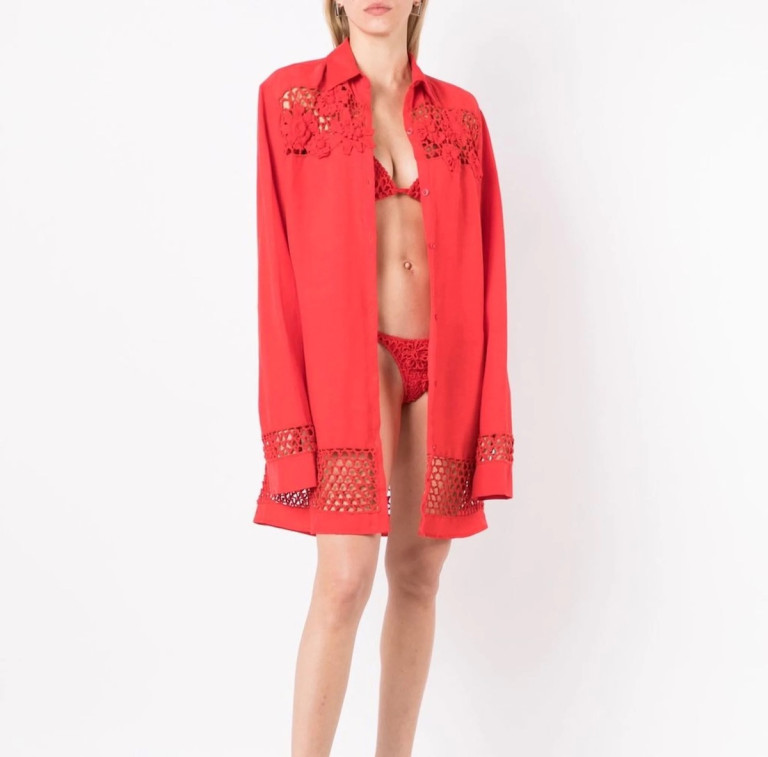
Trend 3: Oversized Everything
Oversized blazers, trousers, and sweaters signal effortlessness online. Styled with precision, they appear relaxed yet intentional.
Off-camera, oversized fashion can:
- Overwhelm natural proportions
- Appear shapeless without careful tailoring
- Lose structure during daily movement
When balance is missing, oversized looks quickly shift from "coolly undone" to unintentionally sloppy.
Trend 4: Extreme Platform Shoes
Chunky platforms and sky-high soles dominate trend cycles because they add drama instantly. In photos, they elevate outfits—literally and visually.
In practice, these shoes present challenges:
- Reduced stability on uneven surfaces
- Foot fatigue during extended wear
- Limited outfit compatibility beyond statement looks
Platforms highlight how a trend can succeed visually while failing functionally, making them a frequent subject in any fashion trends reality check.
Trend 5: Micro Bags and Tiny Accessories
Mini and micro accessories are designed for visual impact. They add charm to images and complete curated outfits.
Real-world limitations include:
- Little to no storage capacity
- Increased need to carry additional bags
- Function sacrificed entirely for aesthetics
These accessories emphasize how online vs real fashion often values novelty over utility.
How to Spot Trends That Won't Translate Offline
Recognizing trends that struggle in everyday life helps prevent unnecessary styling mistakes.
Signs a trend may not work beyond photos:
- Requires constant adjusting or monitoring
- Limits movement or comfort
- Depends heavily on posing or lighting
Asking how an item performs during a full day, not just in a mirror selfie, offers a more realistic perspective.
How to Adapt Viral Fashion for Real Life
Not all trends need to be avoided. Many can be adjusted for better wearability.
Practical adaptations include:
- Choosing structured versions of oversized pieces
- Opting for lower platforms or block heels
- Using sheer elements as accents rather than full looks
This approach preserves trend awareness while grounding style choices in real-life needs.
Fashion Trends Reality Check: Style That Works Beyond the Screen
Trends move fast online, but personal style exists offline. Understanding the difference between visual impact and daily wear allows fashion to feel expressive rather than restrictive. When trends are filtered through comfort, context, and movement, they become tools, not rules, for dressing well.
Frequently Asked Questions
1. Why do outfits look better on social media than in real life?
Social media relies on controlled lighting, editing, and poses that highlight only the most flattering angles, masking comfort and fit issues.
2. How can someone avoid common styling mistakes with viral trends?
Testing how an outfit feels while walking, sitting, and moving helps reveal whether it truly works beyond photos.
3. Are all fashion trends impractical in real life?
No. Many trends are wearable when adapted thoughtfully, such as choosing toned-down versions or better-fitting alternatives.
4. What is the biggest difference between online vs real fashion?
Online fashion focuses on visual impact, while real-life fashion must account for comfort, function, and daily movement.

© Copyright Fashion Times 2026. All rights reserved.


