
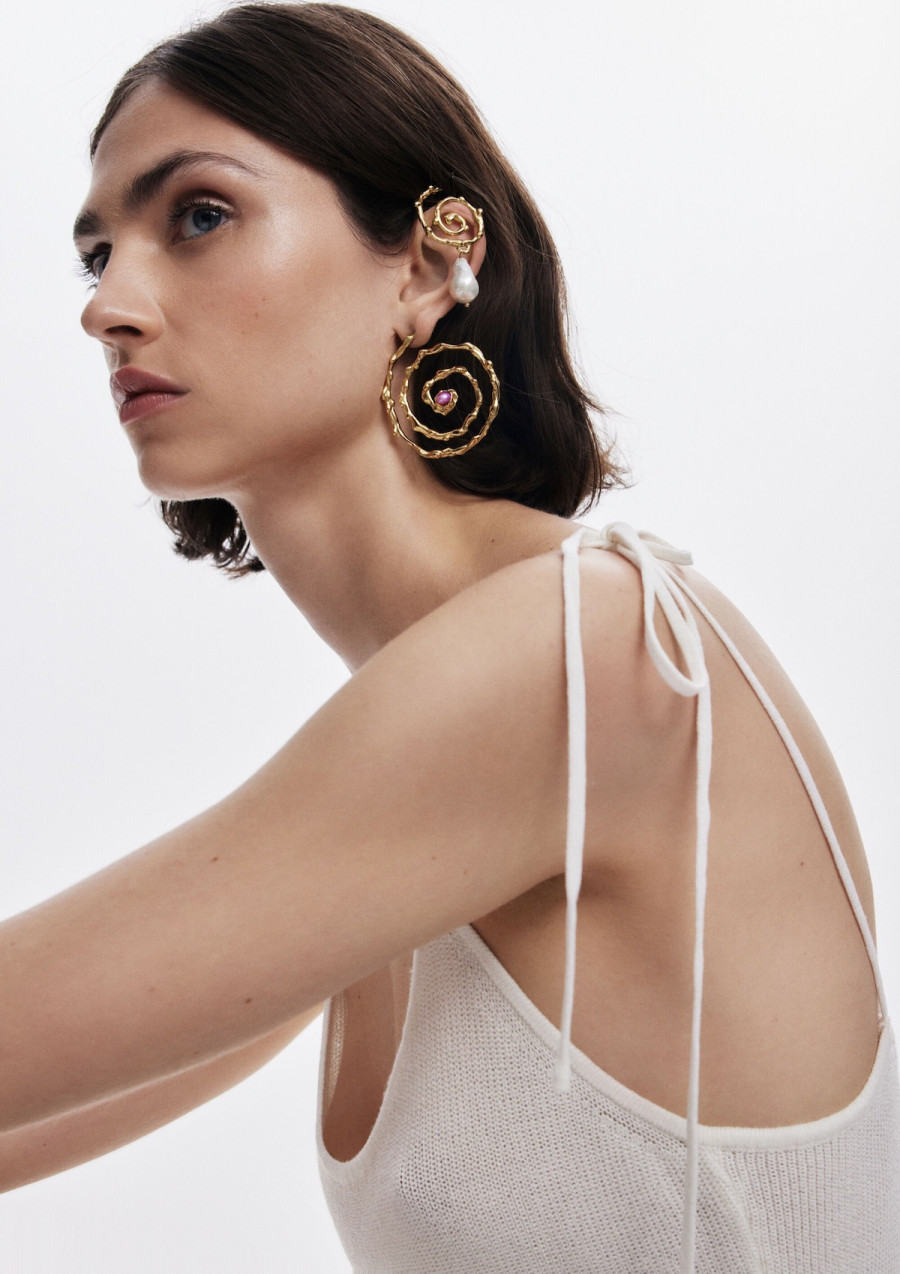
Accessories have the ability to change the entire feel of an outfit without replacing the clothing itself. A simple white shirt and jeans can look polished with layered necklaces, relaxed with sneakers and a tote bag, or elegant with structured heels and statement earrings. Knowing how to style accessories is often what separates an average outfit from one that feels intentional and stylish.
Fashion accessories also allow personal style to stand out. Jewelry, bags, scarves, sunglasses, and belts all add texture, color, and personality. The key is choosing pieces that complement the outfit instead of competing with it.
Why Accessories Matter in Everyday Fashion
Accessories work as finishing touches that tie an outfit together. They create balance, highlight certain features, and help clothing feel more complete.
The right accessory can:
- Add contrast to neutral outfits
- Introduce color without overwhelming the look
- Make casual outfits appear refined
- Help transition clothing from day to evening
- Reflect individual style preferences
Many fashion enthusiasts focus heavily on clothing choices while overlooking smaller details. However, accessories often become the most memorable part of an outfit because they draw attention naturally.

How to Style Accessories Without Overdoing It
One of the biggest challenges in fashion styling is finding the right balance. Too many accessories can make an outfit feel cluttered, while too few may leave it looking unfinished.
Start With One Statement Piece
A statement accessory creates a focal point. This could be oversized earrings, a bold handbag, layered necklaces, or patterned shoes. Once one standout piece is chosen, the remaining accessories should support it subtly.
For example:
- Chunky earrings pair well with minimal necklaces
- A bright handbag works best with neutral jewelry
- Bold shoes often look cleaner with understated belts and scarves
This method keeps the outfit visually balanced.
Match Accessories to the Occasion
Accessories should suit the setting as much as the outfit itself. Casual brunch outfits may work well with crossbody bags and simple jewelry, while formal events often call for elegant metallic details or structured handbags.
Common styling choices include:
- Minimal jewelry for office wear
- Layered accessories for street style looks
- Classic watches and leather belts for polished outfits
- Delicate pieces for formal occasions
Understanding context helps accessories look intentional rather than random.
Jewelry Styling Tips for a More Polished Look
Jewelry can instantly elevate an outfit when styled correctly. From rings to necklaces, the goal is to create harmony between the accessories and clothing.
Layering Necklaces the Right Way
Layered necklaces remain popular because they add dimension without requiring bold clothing. Different chain lengths prevent tangling and create visual interest.
A few useful jewelry styling tips include:
- Combine thin and medium chains for texture
- Keep pendants balanced rather than oversized
- Match necklace layers with the neckline of the outfit
- Avoid layering with heavily embellished tops
Simple outfits usually provide the best canvas for layered jewelry.
Mixing Metals Without Clashing
Gold and silver jewelry no longer need to stay separate. Mixing metals can make accessories look modern and versatile when done thoughtfully.
To keep the look cohesive:
- Repeat both metals throughout the outfit
- Choose one dominant metal tone
- Include accessories that already combine silver and gold
This creates consistency instead of visual confusion.
Choosing Jewelry Based on Outfit Colors
Jewelry tones often look best when coordinated with clothing undertones.
Examples include:
- Gold jewelry with warm earth tones
- Silver jewelry with cool shades like blue or gray
- Pearl accessories with neutral outfits
- Black jewelry for monochrome styling
Color coordination creates a more polished appearance without requiring exact matching.
What Accessories Go With Every Outfit?
Some accessories remain timeless because they pair well with almost anything. These staples make styling easier and help build a versatile wardrobe.
Essential Accessories That Always Work
Fashion experts often recommend investing in adaptable pieces such as:
- Classic hoop earrings
- Neutral handbags
- White sneakers
- Black sunglasses
- Slim leather belts
- Minimal watches
- Simple layered necklaces
These pieces complement a wide range of outfits and trends.
Scarves and Belts for Instant Texture
Scarves and belts are often overlooked, yet they can completely reshape an outfit. A belt adds structure to oversized clothing, while scarves introduce softness and movement.
Ways to use them effectively include:
- Belting oversized blazers or dresses
- Tying scarves around handbags
- Wearing silk scarves with basic tops
- Using textured belts to define the waistline
Small details often create the strongest visual impact.
How to Match Accessories With Different Outfit Styles
Different fashion aesthetics call for different accessory choices. Styling accessories according to the overall outfit helps maintain consistency.
Minimalist Fashion
Minimal outfits usually benefit from clean and understated accessories.
Popular choices include:
- Thin gold chains
- Structured handbags
- Neutral flats
- Delicate rings
The focus remains on simplicity and clean lines.
Street Style Looks
Streetwear-inspired fashion allows more freedom with layering and bold pieces.
Common accessories include:
- Chunky sneakers
- Oversized sunglasses
- Crossbody bags
- Stacked rings
- Statement earrings
Street style often thrives on experimentation and contrast.
Elegant or Formal Outfits
Formalwear works best with refined accessories that enhance rather than overpower the clothing.
Popular choices include:
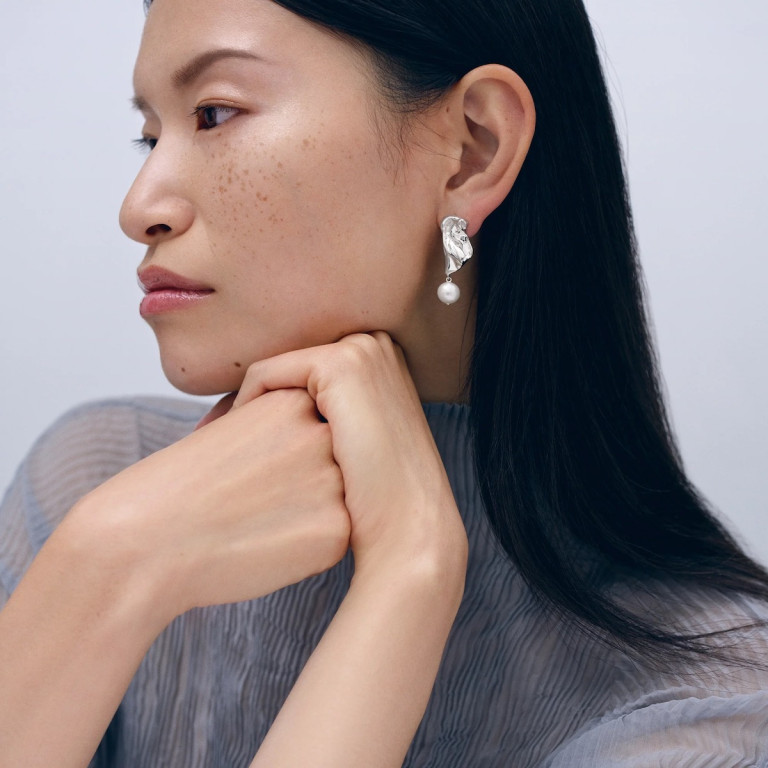
- Pearl earrings
- Metallic clutches
- Fine bracelets
- Sleek heels
Classic accessories tend to age better than overly trendy pieces.
Common Accessory Mistakes to Avoid
Even stylish outfits can feel unbalanced when accessories are poorly coordinated. A few common mistakes appear repeatedly in fashion styling.
These include:
- Wearing too many statement pieces together
- Ignoring proportions between clothing and accessories
- Overmatching shoes, bags, and jewelry
- Choosing accessories that compete with outfit patterns
- Forgetting comfort and practicality
Accessories should enhance confidence rather than become distracting.
Smart Ways to Build a Versatile Accessory Collection
Building an accessory wardrobe does not require large collections. A smaller selection of versatile pieces often creates more outfit combinations.
A practical collection usually includes:
- Neutral handbags for daily wear
- Day-to-night jewelry
- Comfortable shoes in classic colors
- Sunglasses that suit face shape
- One or two statement accessories
Timeless pieces tend to remain wearable across changing trends and seasons.
Easy Accessory Styling Ideas That Elevate Any Outfit
Learning how to style accessories comes down to balance, proportion, and personal expression. The right jewelry, shoes, bags, or scarves can make even the simplest outfit feel refined and intentional. Fashion accessories are not just decorative details. They help create mood, shape identity, and add versatility to everyday clothing choices. By focusing on timeless staples and thoughtful styling, anyone can build outfits that feel polished without appearing overdone.
Frequently Asked Questions
1. What accessories go with every outfit?
Neutral handbags, hoop earrings, sunglasses, simple necklaces, and classic belts are among the most versatile accessories because they pair easily with both casual and formal clothing.
2. How can accessories make an outfit look expensive?
Well-coordinated accessories create a polished appearance. Structured bags, minimal jewelry, quality belts, and clean footwear often make outfits appear more refined.
3. How many accessories should be worn at once?
There is no fixed rule, but most stylists recommend focusing on one statement piece while keeping the remaining accessories balanced and understated.
4. What are the easiest ways to start styling accessories?
Starting with timeless basics such as layered necklaces, neutral handbags, and simple belts makes accessory styling easier. These pieces work with a wide range of outfits and occasions.

© Copyright Fashion Times 2026. All rights reserved.


