
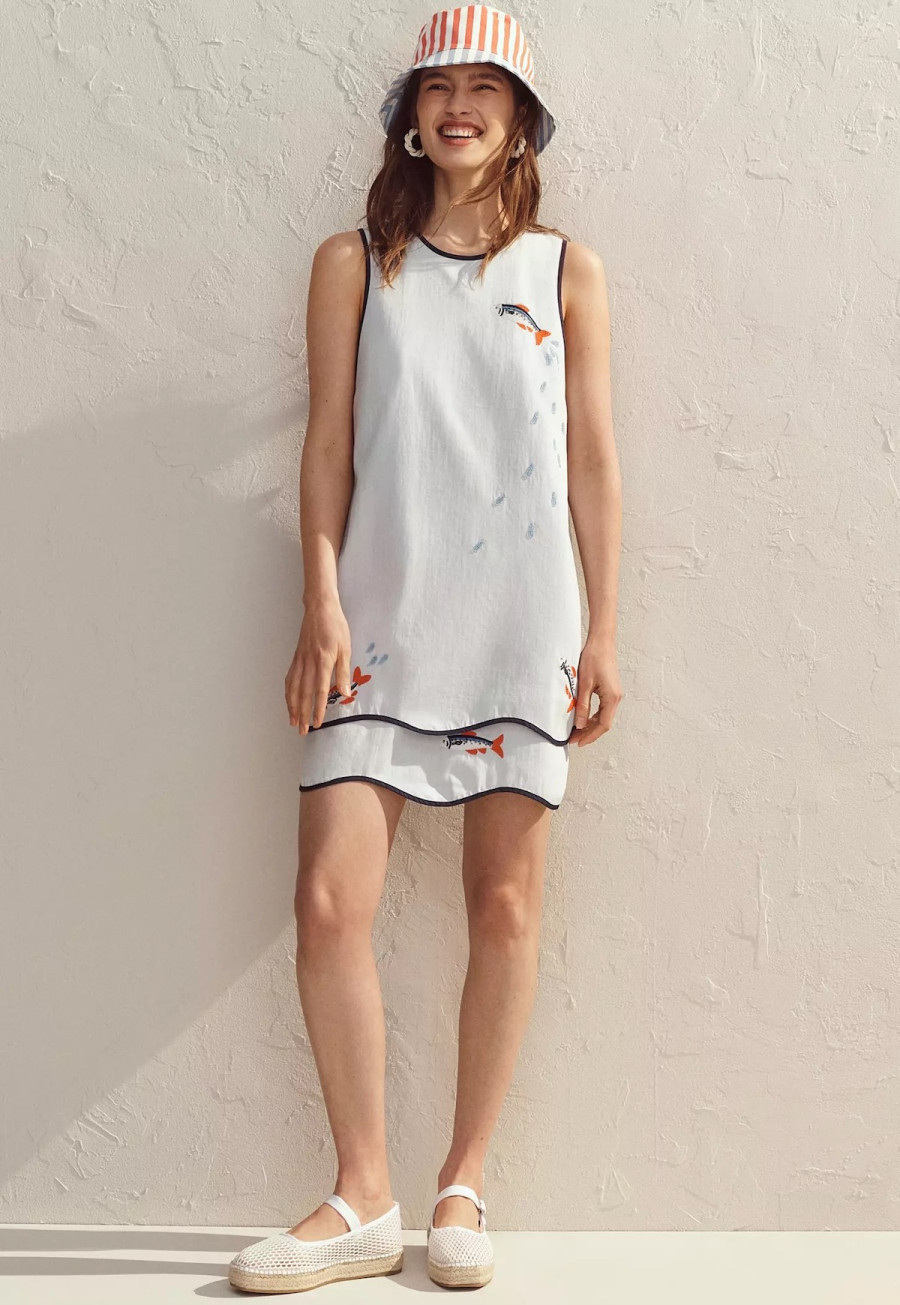
Fashion choices often reflect more than trends as they also reveal habits, priorities, and personality. Among the most discussed approaches today are minimalist fashion and maximalist style, two contrasting philosophies that shape how people dress, shop, and express themselves. Understanding the differences between these styles helps individuals make thoughtful decisions that align with their daily routines and personal preferences. This article offers an objective personal style comparison, breaking down how each approach works in practice and who they tend to suit best.
What Defines Minimalist Fashion?
Minimalist fashion centers on restraint, intention, and longevity. Instead of chasing trends, this style focuses on pieces that work together effortlessly and remain relevant over time.
At its core, minimalist fashion prioritizes:
- Neutral or muted color palettes
- Clean lines and uncomplicated silhouettes
- Fewer garments with greater versatility
- An emphasis on fabric quality and fit
Minimalist wardrobes are often built around essentials such as tailored trousers, simple knitwear, structured outerwear, and understated footwear. The goal is ease, basically outfits that require little effort while still appearing polished. This approach appeals to individuals who value simplicity, organization, and consistency in their daily lives.

Understanding Maximalist Style
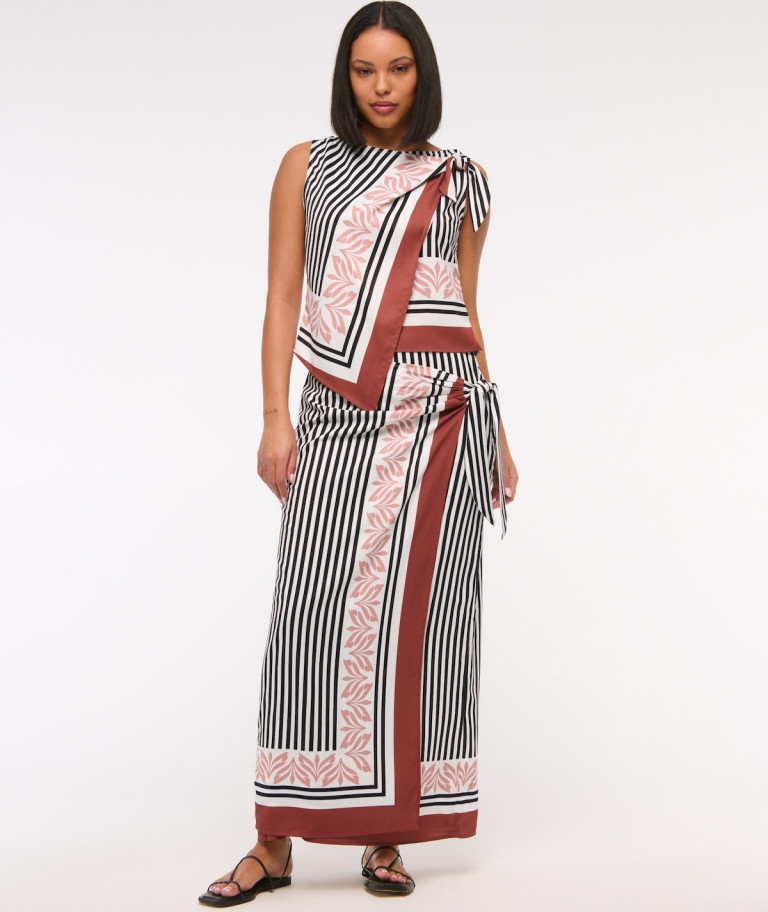
Where minimalism pares back, maximalist style layers on. This approach celebrates abundance, contrast, and creativity. Rather than limiting options, maximalist fashion thrives on variety and visual interest.
Common traits of maximalist style include:
- Bold colors, prints, and textures
- Layered outfits with intentional contrast
- Statement accessories that draw attention
- Playful experimentation with trends and silhouettes
Maximalist wardrobes often tell a story. Clothing becomes a form of expression, allowing wearers to communicate mood, personality, and confidence through what they wear. This style resonates with people who enjoy standing out and see fashion as a creative outlet rather than a functional necessity.
Minimalist Fashion vs Maximalist Style: How They Differ in Practice
A personal style comparison between minimalist fashion and maximalist style goes beyond appearance. Each approach influences shopping habits, daily routines, and how clothing fits into everyday life.
From a practical standpoint:
- Minimalist fashion favors repeat wear and streamlined choices.
- Maximalist style embraces variety and frequent outfit changes.
- Minimalist wardrobes are easier to organize and maintain.
- Maximalist wardrobes offer more visual options but require more planning.
From a mindset perspective:
- Minimalism often reflects a desire for clarity and simplicity.
- Maximalism aligns with curiosity, experimentation, and self-expression.
Neither approach is inherently better. They simply serve different needs, personalities, and lifestyles.
How to Identify Your Personal Style Preference
Determining whether minimalist fashion or maximalist style fits best starts with observing habits rather than following labels.
Key questions to consider:
- Does a small, curated wardrobe feel freeing or limiting?
- Are outfits chosen for ease or for creative impact?
- Do neutral tones feel calming, or do bold colors feel energizing?
- Is consistency preferred, or does variety spark motivation?
Some individuals find clarity in simplicity, while others feel inspired by visual richness. These preferences often show up naturally in daily dressing habits.
Can Minimalist and Maximalist Styles Coexist?
While often framed as opposites, minimalist fashion and maximalist style can overlap. Many people adopt a blended approach that borrows elements from both philosophies.
Examples include:
- A neutral outfit paired with a bold accessory
- A minimalist wardrobe base enhanced with patterned outerwear
- Clean silhouettes combined with expressive jewelry
This middle ground allows flexibility without committing fully to one style. It also reflects how personal style evolves over time rather than remaining fixed.
Lifestyle Factors That Influence Style Choices
Personal style rarely exists in isolation. Daily responsibilities, environments, and routines play a role in shaping fashion preferences.
Minimalist fashion may suit those who:
- Prefer low-effort dressing
- Work in structured or professional settings
- Value consistency and practicality
- Want fewer decisions in daily routines
Maximalist style may suit those who:
- Enjoy creative experimentation
- Work in artistic or social fields
- Use clothing as a form of self-expression
- Feel energized by variety and visual impact
Lifestyle changes can also shift preferences. A person drawn to maximalist style during one phase may lean toward minimalist fashion later, or vice versa.
Practical Ways to Explore Each Style
Trying a new style does not require a full wardrobe overhaul. Small, intentional changes allow experimentation without commitment.
Exploring minimalist fashion:
- Reduce wardrobe clutter by removing rarely worn items
- Focus on fit, fabric, and neutral tones
- Build outfits around versatile staples
- Prioritize longevity over trend appeal
Exploring maximalist style:
- Introduce color, pattern, or texture gradually
- Experiment with layering and accessories
- Mix unexpected combinations confidently
- Use fashion as a creative exercise rather than a rule set
Both approaches benefit from reflection and patience rather than impulse.
Minimalist Fashion vs Maximalist Style: Choosing What Feels Right
Finding the right style is less about rules and more about alignment. Minimalist fashion offers clarity, ease, and timeless appeal, while maximalist style provides freedom, creativity, and bold self-expression. A thoughtful personal style comparison allows individuals to dress in a way that supports their routines, preferences, and sense of identity, whether that means embracing simplicity, celebrating abundance, or blending both in a way that feels authentic.
Frequently Asked Questions
1. Is minimalist fashion only about wearing neutral colors?
No. While neutrals are common, minimalist fashion focuses more on simplicity and versatility than specific colors. Muted or soft tones can also fit within a minimalist wardrobe.
2. Does maximalist style mean wearing everything at once?
Not necessarily. Maximalist style is about intentional expression. Even one bold element can reflect maximalism when styled with confidence.
3. Can personal style change over time?
Yes. Lifestyle shifts, career changes, and personal growth often influence style preferences. It's common for individuals to move between minimalist and maximalist approaches.
4. Is it possible to maintain a sustainable wardrobe with maximalist style?
Yes. Sustainability depends more on mindful consumption and reuse than on aesthetic. Maximalist wardrobes can be curated thoughtfully and worn creatively over time.

© Copyright Fashion Times 2026. All rights reserved.


