
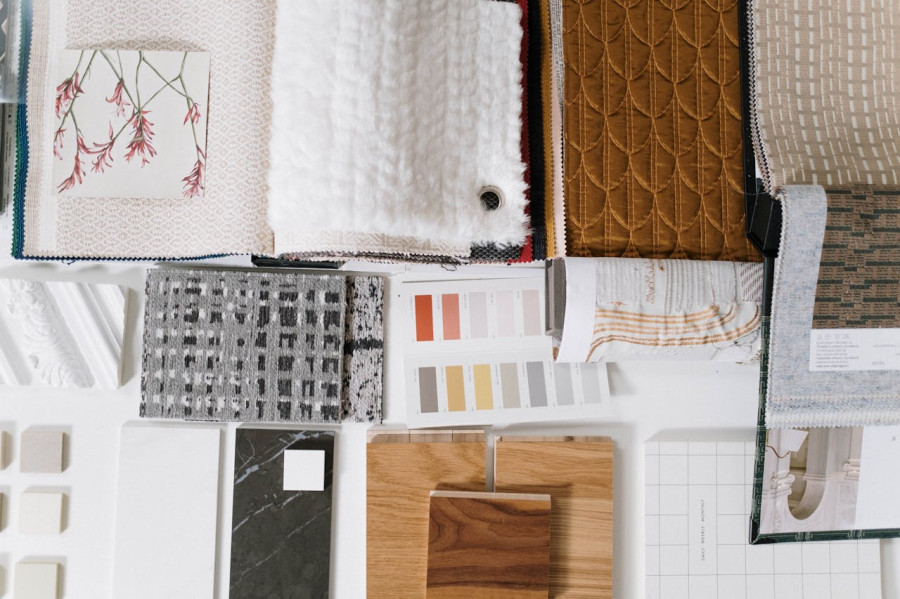
Fabric weight plays a quiet but decisive role in how clothing behaves once it leaves the hanger and meets the body. In fabric weight fashion, the way a garment flows, bends, or holds its shape is shaped as much by grams and ounces as by color or cut. Designers, tailors, and informed shoppers all rely on fabric weight to predict garment drape, comfort, and long term wear.
Understanding how fabric weight interacts with clothing construction reveals why two garments with similar silhouettes can look and feel completely different in motion.
What Fabric Weight Means in Fashion Design
Fabric weight refers to how heavy a fabric is per unit of area, usually measured in grams per square meter or ounces per square yard. This measurement gives insight into how the textile will behave once it is cut and sewn.
Common categories include:
- Lightweight fabrics such as chiffon, voile, and lightweight jersey
- Midweight fabrics such as twill, poplin, and crepe
- Heavyweight fabrics such as denim, wool coating, and canvas
In fabric weight fashion, weight is not a quality ranking. It is a functional property that influences movement, structure, and seasonal use.

How Fabric Weight Shapes Garment Drape
Garment drape describes how fabric hangs and falls around the body under the influence of gravity. Fabric weight directly affects this interaction.
Lightweight fabrics tend to:
- Flow easily and follow body contours
- Create soft folds and fluid silhouettes
- Respond quickly to movement and air
Heavier fabrics typically:
- Fall straighter with fewer ripples
- Maintain defined shapes and edges
- Resist motion unless guided by tailoring
This is why a silk dress appears fluid and dynamic while a wool version of the same cut looks grounded and architectural. The pattern may be identical, but the garment drape changes entirely.
Why Fabric Weight Affects How Clothes Move
Movement is where fabric weight becomes most visible. As the wearer walks, sits, or turns, fabric weight determines how quickly and dramatically the garment responds.
Key movement differences include:
- Swing: Lighter fabrics swing outward, creating visual motion
- Lag: Heavier fabrics move more slowly, adding visual stability
- Bounce: Midweight knits often rebound after motion, affecting fit
Some garments benefit from visible movement, such as skirts and wide leg trousers. Others rely on controlled motion, such as tailored jackets or structured pants. Fabric weight fashion choices are often about deciding how much movement is desirable.
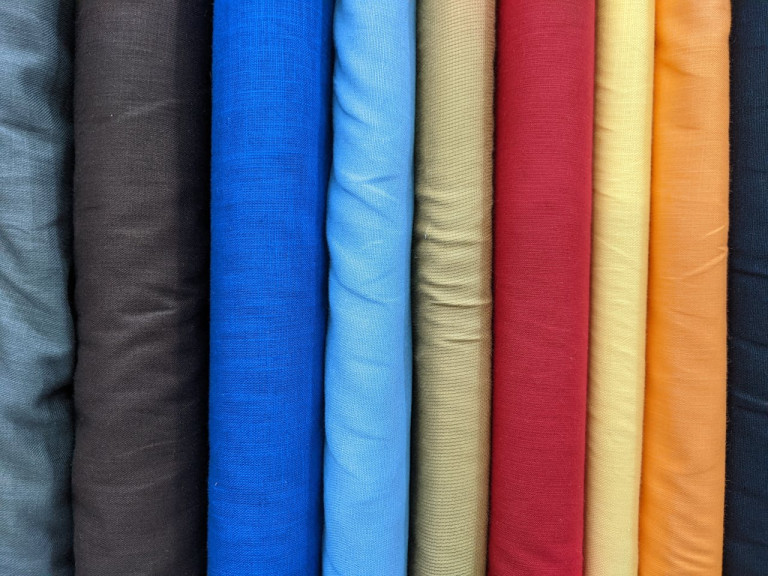
Why Do Some Clothes Feel Restrictive While Others Feel Fluid?
Fabric weight influences how much resistance the fabric creates against the body. Heavy fabrics can feel restrictive without proper shaping, while very light fabrics may cling or twist if construction is not precise.
Fabric Weight and Clothing Construction Techniques
Clothing construction adapts to fabric weight. Pattern adjustments, seam finishes, and internal supports all change depending on how heavy or light the fabric is.
For lightweight fabrics, construction often includes:
- French seams or narrow finishes
- Lightweight linings or underlayers
- Minimal interfacing to preserve softness
For heavier fabrics, construction may require:
- Reinforced seams
- Strategic darts and panels
- Structured linings and interfacings
In clothing construction, fabric weight informs nearly every technical decision. Ignoring weight often leads to garments that twist, sag, or lose shape over time.
Fabric Weight Compared to Fabric Type
Fabric weight works alongside fiber content and weave structure. Two fabrics with the same weight can behave very differently.
For example:
- A lightweight knit drapes differently than a lightweight woven
- A heavy satin moves more fluidly than a heavy canvas
- Finishing treatments can soften or stiffen fabrics of identical weight
This is why fabric weight fashion decisions rarely rely on weight alone. Designers evaluate weight as part of a broader system that includes texture, elasticity, and surface finish.
Is Heavier Fabric Always Better Quality?
Heavier fabrics often last longer in high stress garments, but lightweight fabrics can outperform them in breathability, layering, and comfort. Quality depends on whether the weight suits the garment's purpose.
Choosing the Right Fabric Weight for Different Garments
Selecting fabric weight begins with how the garment is meant to function.
Typical pairings include:
- Dresses: Lightweight to midweight for fluid movement
- Shirts and blouses: Lightweight for comfort and layering
- Pants: Midweight for balance between structure and flexibility
- Outerwear: Heavyweight for insulation and shape retention
Climate also matters. Fabric weight fashion choices differ significantly between warm and cold environments, even for similar silhouettes.
Comfort, Fit, and Longevity
Fabric weight affects how clothing feels during extended wear. Heavier fabrics often provide stability but may trap heat. Lightweight fabrics enhance airflow but can show wear sooner.
From a fit perspective:
- Heavy fabrics hold seams and shapes longer
- Lightweight fabrics rely more on precision cutting
- Midweight fabrics often offer the best balance of comfort and durability
Understanding garment drape and fabric weight helps explain why some clothes age gracefully while others lose their appeal quickly.
Why Fabric Weight Knowledge Leads to Better Clothing Choices
Trends change, but fabric behavior remains rooted in physics. Recognizing how weight influences drape, movement, and construction allows designers to create garments that perform as intended. For consumers, it supports smarter purchasing decisions based on function rather than appearance alone.
In fabric weight fashion, the most successful garments are those where weight, design, and construction work together without calling attention to themselves.
How Fabric Weight Defines the Way Clothes Perform
Fabric weight quietly determines how clothing lives in the real world. It shapes motion, comfort, and longevity long after trends fade. By understanding garment drape and clothing construction through the lens of weight, both designers and wearers gain a clearer view of why certain garments simply work better than others.
Frequently Asked Questions
1. What fabric weight is best for good garment drape?
Lightweight to midweight fabrics typically offer the most visible drape, especially in dresses and skirts. The best choice depends on how much movement is desired.
2. Can fabric weight change after washing?
Yes. Shrinkage, fiber swelling, and finish loss can slightly alter fabric weight, especially in natural fibers.
3. Why do runway garments drape differently than store versions?
Runway samples often use higher quality fabrics or different weights than mass produced garments, affecting drape and movement.
4. How can shoppers identify fabric weight when buying online?
Checking fabric composition, thickness descriptions, and garment structure details can help estimate fabric weight when physical inspection is not possible.

© Copyright Fashion Times 2026. All rights reserved.


