
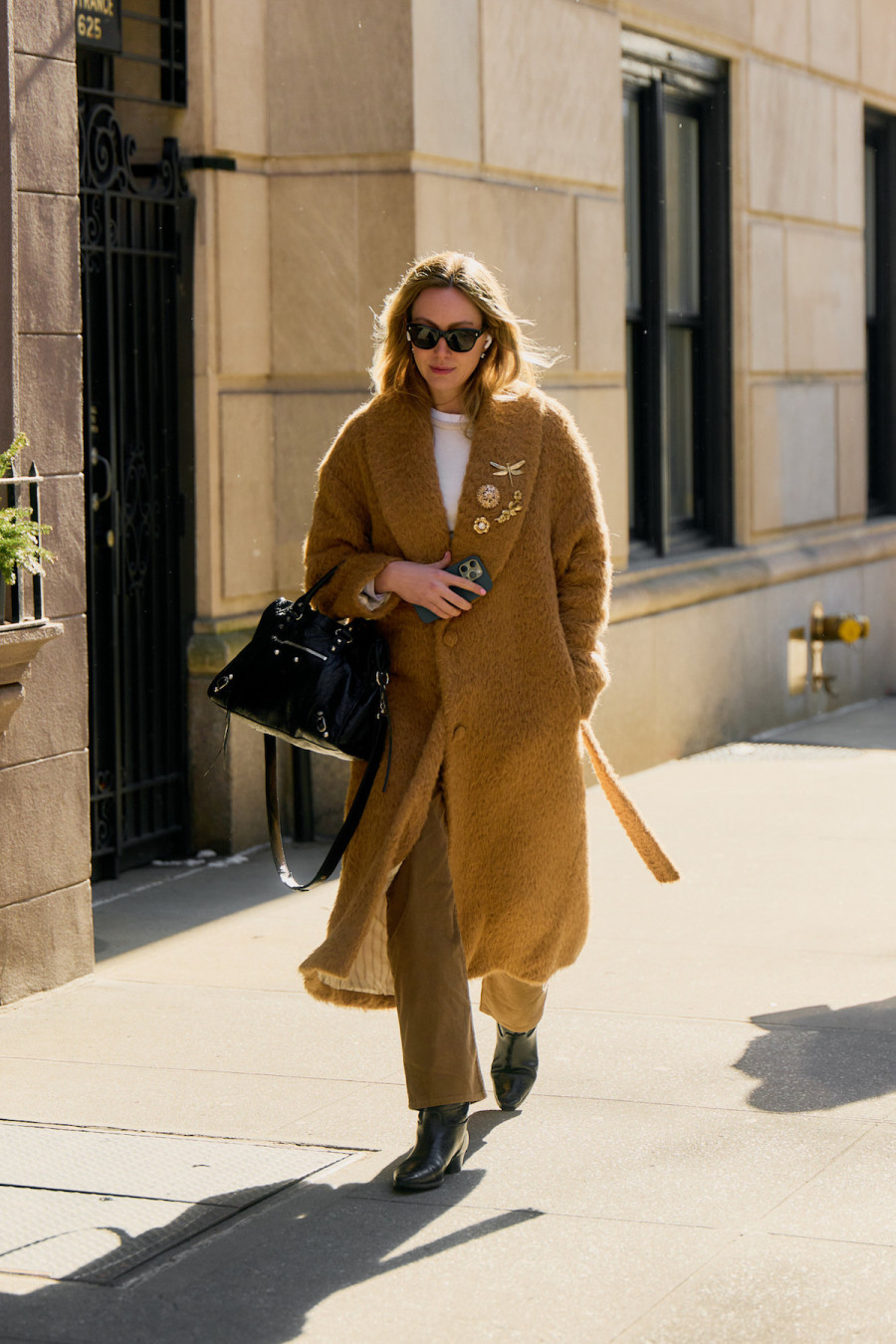
Fashion trends change constantly, but one styling principle never loses relevance: fit. A perfectly fitted outfit can make even simple basics appear polished and intentional, while poorly fitted clothing can diminish the impact of expensive or trendy pieces. Understanding how clothes should fit is one of the most valuable style skills anyone can develop.
Proper fit shapes the silhouette, improves comfort, and creates balance throughout an outfit. From denim and blazers to T-shirts and dresses, the way clothing sits on the body affects the overall appearance more than logos or designer labels. This is why many stylists focus on tailoring and proportion before discussing trends or accessories.
For fashion enthusiasts looking to refine their wardrobe, mastering a few essential clothing fit tips can instantly elevate personal style.
Why Fit Matters More Than Fashion Trends
Many people focus heavily on colors, patterns, or seasonal trends while overlooking fit. Yet fit is often the factor that determines whether an outfit feels effortless or awkward.
Well fitted clothing creates cleaner lines and helps garments move naturally with the body. It also allows fabrics to drape correctly instead of pulling, bunching, or hanging unevenly. Even relaxed silhouettes need structure and proportion to look intentional.
This is where fashion styling advice becomes especially important. Stylists often adjust sleeve lengths, hems, and waistlines because small refinements can dramatically improve the overall look.
A proper fit also affects confidence. Clothing that fits correctly tends to feel more comfortable, which naturally changes posture and movement. That ease often translates into a more polished appearance.

How Clothes Should Fit in Key Areas
Different garments require attention to different fit points. Some areas matter more than others because they shape the foundation of the outfit.
Shirts and Tops
Shirts should follow the natural shape of the body without pulling across the chest or appearing overly loose.
Key signs of a good shirt fit include:
- Shoulder seams that align with the edge of the shoulders
- Sleeves that end near the wrist without excess fabric
- Enough room for movement without visible strain
- A torso fit that skims the body instead of clinging tightly
Oversized shirts remain popular in modern fashion, but they still require balance. Pairing loose tops with structured pants or fitted layers helps maintain proportion.
Pants and Jeans
Denim and trousers often determine how polished an outfit appears. Poorly fitted pants can disrupt the entire silhouette.
Important clothing fit tips for pants include:
- Waistbands should stay secure without requiring constant adjustment
- Fabric around the thighs should not feel restrictive
- Pant hems should complement the shoe shape
- Excess bunching around the ankles should be avoided
Straight leg and relaxed denim continue to dominate current fashion, but the fit should still look intentional rather than oversized in every area.
Blazers and Jackets
Outerwear can instantly sharpen an outfit when the fit is correct. Jackets should create structure without limiting movement.
A properly fitted blazer usually has:
- Smooth shoulders without sagging
- Sleeves ending near the wrist bone
- A clean shape through the torso
- Comfortable button closure without pulling
Shoulder fit is especially important because it is one of the hardest areas to tailor later.
Common Fit Mistakes That Affect Style
Even fashionable outfits can appear unfinished when the fit is off. Several common mistakes repeatedly appear in everyday styling.
Wearing Clothes That Are Too Tight
Tight clothing often restricts movement and creates pulling around seams. Instead of looking tailored, the outfit may appear uncomfortable or unbalanced.
Choosing Oversized Pieces Without Structure
Relaxed fashion remains popular, especially in streetwear inspired outfits, but oversized clothing still needs proportion. Pairing baggy pieces together can overwhelm the frame if there is no structure elsewhere in the outfit.
Ignoring Sleeve and Pant Length
Sleeves that extend too far past the wrists or pants that drag excessively can make outfits look sloppy. Simple hemming adjustments often create a cleaner appearance immediately.
Buying Based Only on Size Labels
Sizing varies between brands, so relying only on numbers can lead to inconsistent fits. Trying clothing on and evaluating how it moves on the body is far more reliable.

Fashion Styling Advice That Improves Any Outfit
Understanding fit becomes easier when combined with practical styling techniques. These small adjustments can make everyday outfits look more refined.
Use Layering to Create Shape
Layering helps define proportions and add structure to simple outfits.
Examples include:
- Cropped jackets with wide leg pants
- Overshirts over fitted basics
- Structured blazers paired with relaxed denim
Balanced layering prevents outfits from looking flat or shapeless.
Pay Attention to Fabric
Fabric influences how clothing drapes and fits throughout the day. Structured fabrics hold shape more easily, while softer materials create a relaxed silhouette.
When learning how clothes should fit, fabric behavior matters just as much as sizing.
Tailor Key Pieces
Tailoring is one of the most effective ways to improve style without replacing an entire wardrobe.
The most worthwhile alterations often include:
- Hemming pants
- Adjusting blazer sleeves
- Taking in shirt waists
- Refining dress proportions
Even affordable clothing can look elevated when properly tailored.
How Proper Fit Shapes Modern Fashion
Current trends continue to highlight the importance of fit, even within relaxed fashion movements. Streetwear, minimalist dressing, and quiet luxury all rely heavily on proportion and silhouette.
Wide leg pants, oversized blazers, and loose denim remain popular, but stylists balance these pieces carefully to maintain visual structure. Fashion today focuses less on tight tailoring and more on controlled proportions.
This shift has changed modern fashion styling advice. Instead of aiming for extremely slim fits, many stylists now recommend selecting silhouettes that create harmony between relaxed and structured pieces.
Fit also affects versatility. Well fitted basics can transition easily between casual and elevated styling, making wardrobes feel more flexible and cohesive.
Better Fit Creates Stronger Personal Style
A strong wardrobe is not built entirely around trends or designer labels. It is built around understanding what works for the body and how garments should sit naturally.
Learning essential clothing fit tips allows outfits to appear more polished without requiring dramatic changes. Small adjustments in sleeve length, waist definition, or pant shape can completely transform how clothing looks and feels.
As fashion continues evolving toward relaxed tailoring and balanced silhouettes, knowing how clothes should fit remains one of the most valuable style foundations anyone can develop.
Frequently Asked Questions
1. How should clothes fit properly?
Clothing should feel comfortable while creating clean lines throughout the body. Garments should not pull tightly or hang excessively loose unless intentionally styled that way.
2. Why does proper fit make outfits look better?
Proper fit improves proportion, balance, and structure. It helps clothing drape correctly and creates a more polished overall appearance.
3. Can tailoring improve inexpensive clothing?
Yes. Tailoring can dramatically improve how affordable clothing looks by refining sleeve lengths, pant hems, and overall proportions.
4. What are the most important clothing fit tips?
Focus on shoulder alignment, pant length, waist fit, and balanced proportions. These areas have the biggest impact on overall style.

© Copyright Fashion Times 2026. All rights reserved.


