

Neutral tones have become a steady foundation in modern wardrobes, especially for individuals who prefer refined, wearable, and versatile styling. In the world of fashion and beauty aesthetics, neutral fashion continues to stand out for its ability to create cohesion without requiring complex coordination. Whether building minimalist outfits or refining everyday dressing habits, neutral palettes simplify decisions while elevating overall appearance.
This approach is not about limiting creativity. Instead, it focuses on making styling more intentional, where every piece works together effortlessly. The result is a wardrobe that feels organized, functional, and visually balanced.
Understanding Neutral Fashion in Everyday Styling
Neutral fashion refers to clothing built around subdued, versatile tones that naturally complement each other. These typically include shades such as black, white, beige, cream, gray, taupe, and soft browns. Some styling systems also include muted navy and olive as flexible neutrals.
Neutral tones are widely used because they form a stable base for different fashion directions.
Key characteristics of neutral fashion:
- Easy to combine without clashing colors
- Suitable for multiple occasions
- Works across seasons without feeling outdated
- Supports both bold and subtle accessory styling
In beauty and fashion culture, neutrals are often associated with clean aesthetics, soft elegance, and a polished visual identity.

Why Neutral Colors Simplify Daily Outfit Choices
One of the strongest advantages of neutral tones is how they reduce the complexity of outfit planning. Instead of matching contrasting colors, neutral pieces naturally align with one another.
This creates several practical benefits:
- Outfits can be assembled quickly without overthinking combinations
- Clothing items are more interchangeable
- A smaller wardrobe can produce more outfit variations
- Styling decisions feel more structured and less overwhelming
Many stylists also note that neutral palettes support consistency in personal style, making it easier to maintain a recognizable aesthetic.
PAA: Why do neutral colors go with everything?
Neutral colors work because they lack strong saturation, allowing them to blend seamlessly with both muted and slightly bolder shades. This flexibility makes them foundational in wardrobe building.
Minimalist Outfits and the Beauty of Simplicity
Minimalist outfits rely heavily on clean silhouettes, simple design, and neutral tones. This approach is closely linked to modern beauty styling trends, where less visual clutter allows natural features and outfit structure to stand out.
Neutral fashion supports minimalist dressing in several ways:
- Encourages capsule wardrobe building with fewer, high-utility pieces
- Reduces visual noise, creating a more refined appearance
- Highlights fabric quality, tailoring, and fit instead of loud colors
- Creates a timeless aesthetic that does not rely on seasonal trends
Minimalist outfits also align with the broader beauty concept of understated elegance. Instead of relying on heavy styling, the focus shifts toward balance and proportion.
Color Coordination Tips Using Neutral Palettes
Effective styling with neutrals still requires an understanding of balance, contrast, and layering. While neutral tones are inherently flexible, thoughtful coordination enhances their impact.
Practical color coordination tips:
- Combine light and dark neutrals for subtle contrast
Example: beige top with charcoal trousers - Mix textures instead of relying on color variation
Example: knitwear paired with structured cotton or linen - Use one dominant neutral and build around it
Example: white base outfit with beige and tan accents - Add depth through layering
Example: long coat over tonal inner pieces - Introduce soft accent colors sparingly
Example: muted green or dusty blue accessories
These techniques help avoid flat or overly uniform looks while maintaining the calm aesthetic that neutral fashion is known for.
PAA: How do you mix neutral colors without looking boring?
The key lies in texture variation, layering, and contrast in lightness and darkness rather than relying on bright color differences.
The Polished Effect of Neutral Styling
Neutral palettes naturally create a more refined appearance due to their simplicity and balance. This polished effect is one of the main reasons neutral fashion remains central in beauty and style discussions.
Neutral styling enhances polish through:
- Clean visual lines that feel intentional
- Reduced distraction from overly bright or competing colors
- Emphasis on tailoring and silhouette rather than decoration
- A cohesive wardrobe that looks well curated
In both casual and formal settings, neutral outfits often appear more structured and put-together, even when the pieces themselves are simple.
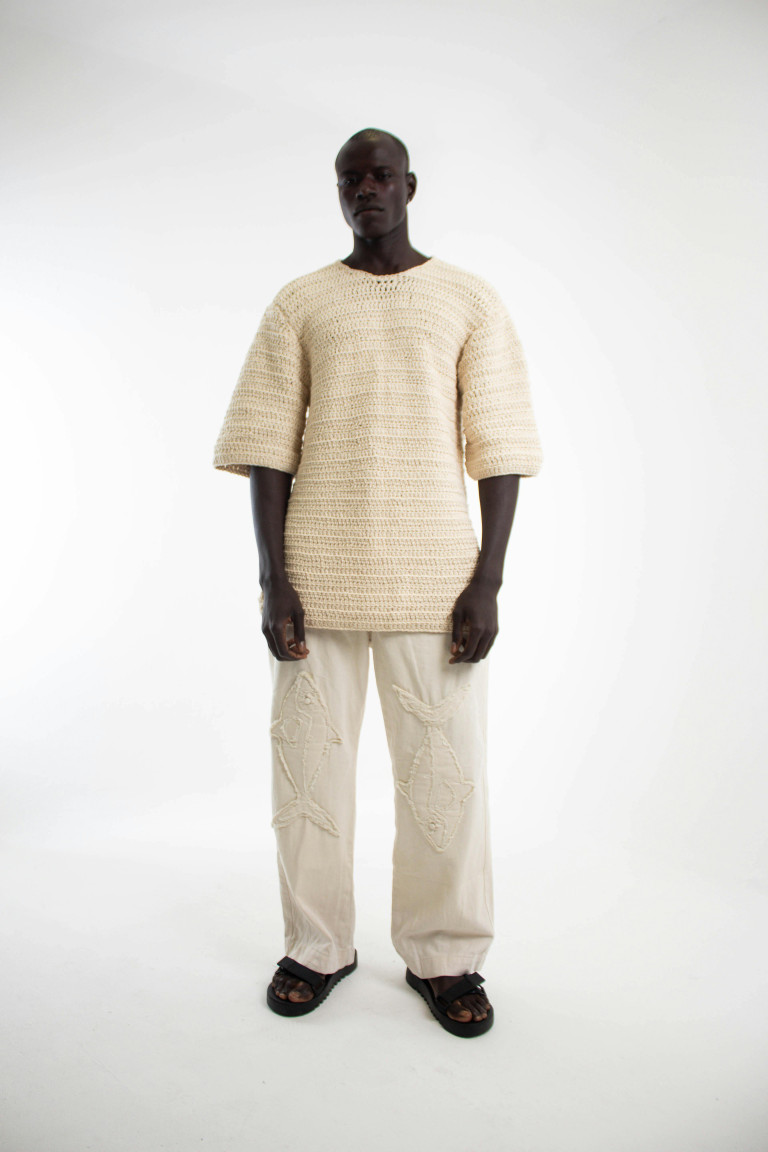
Building a Functional Neutral Wardrobe
A well-designed neutral wardrobe focuses on versatility and long-term usability. Instead of chasing trends, it prioritizes pieces that work across multiple outfit combinations.
Essential components often include:
- Neutral tops such as white shirts, beige knits, and gray tees
- Bottoms in black, denim, or earth tones
- Layering pieces like trench coats or structured blazers
- Footwear in adaptable shades like black, nude, or brown
This foundation allows effortless outfit creation without requiring extensive decision-making each day.
PAA: What is a minimalist wardrobe?
A minimalist wardrobe is a curated collection of essential clothing items designed to be versatile, interchangeable, and easy to style with minimal effort.
Common Styling Mistakes with Neutral Fashion
Even though neutral tones are flexible, certain styling choices can reduce their effectiveness.
Common mistakes include:
- Using identical shades without variation, leading to a flat look
- Ignoring texture differences
- Over-accessorizing and disrupting the calm aesthetic
- Choosing ill-fitting pieces, which reduces polish
Avoiding these mistakes helps maintain the refined nature of neutral styling while keeping outfits visually interesting.
Effortless Style Through Neutral Fashion Choices
Neutral fashion continues to shape modern beauty and style standards because of its balance between simplicity and sophistication. When used intentionally, neutral tones create a wardrobe system that supports ease, versatility, and visual harmony.
Minimalist outfits built on neutral foundations allow individuals to focus less on coordination stress and more on personal expression through subtle styling choices. With thoughtful application of color coordination tips, neutral palettes become more than just a trend. They function as a long-term approach to polished everyday dressing.
Frequently Asked Questions
1. What are considered neutral colors in fashion?
Neutral colors typically include black, white, beige, gray, taupe, brown, and muted earth tones that blend easily with one another.
2. Why are neutral outfits considered more polished?
Neutral outfits appear polished because they create visual harmony, reduce clutter in styling, and emphasize clean silhouettes and tailoring.
3. Can minimalist outfits still look stylish without color?
Yes, minimalist outfits rely on structure, texture, and fit rather than bold colors, making them visually appealing even in simple palettes.
4. How can neutral fashion be made more interesting?
Neutral fashion can be enhanced through texture mixing, layering, subtle accessories, and combining different shades of the same color family.

© Copyright Fashion Times 2026. All rights reserved.


