
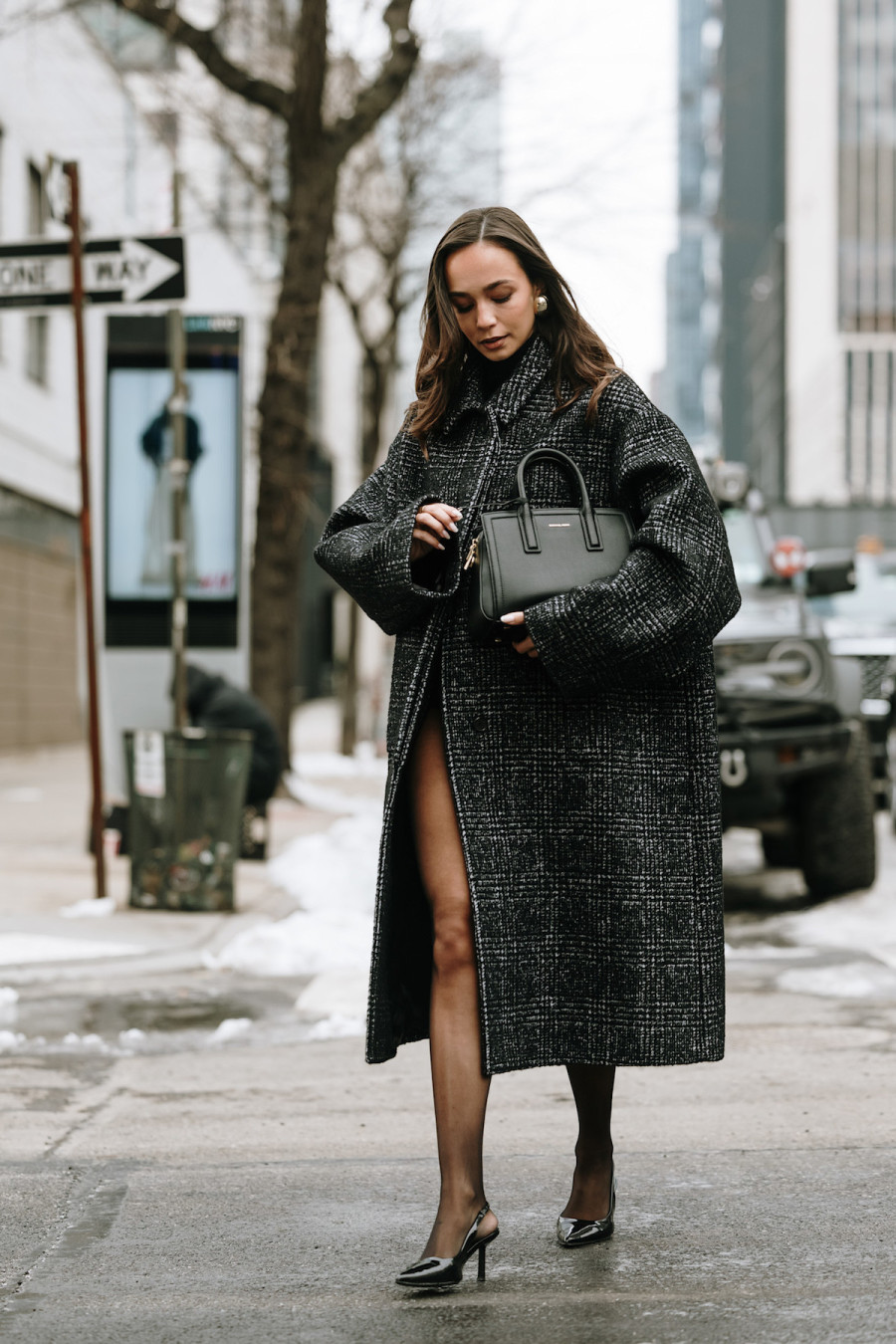
Minimal outfits often rely on clean lines and neutral palettes, but without thoughtful styling, they can feel flat. This is where layering becomes essential. With the right layering fashion tips, even the simplest pieces can take on a more refined and intentional look.
Layering is not just about adding more clothing. It is about using outfit styling techniques to create contrast, structure, and visual interest. When done well, it introduces depth in fashion that makes an outfit feel complete rather than basic.
What Does Layering Mean in Fashion?
Layering in fashion refers to wearing multiple pieces in a way that feels cohesive rather than cluttered. It combines different garments to build a look that has both function and style.
There are two main approaches:
- Practical layering for warmth or weather changes
- Styling focused layering that enhances the overall outfit
Modern styling leans heavily on the second approach. Even in warm climates, layering is used to add texture and dimension rather than just coverage.

Why Does Layering Add Depth to an Outfit?
The idea of depth in fashion comes from how the eye processes contrast and structure. A single layer can look clean, but it often lacks variation. Adding layers introduces visual breaks that make the outfit more dynamic.
This happens through:
- Contrasting fabrics such as denim paired with soft knits
- Varying lengths that create movement
- Subtle color differences that add dimension
Layering helps guide the eye across the outfit, making it feel more styled and less one dimensional.
How to Layer Clothes Without Looking Bulky
One of the most common concerns with layering is bulk. The key is to focus on balance rather than quantity.
Some effective layering fashion tips include:
- Start with a fitted base layer to keep the silhouette clean
- Add lightweight pieces before heavier outer layers
- Choose structured items like blazers to maintain shape
- Avoid stacking multiple thick fabrics in the same area
By keeping proportions in mind, layering can enhance rather than overwhelm an outfit.
Easy Layering Fashion Tips for Beginners
For those new to layering, starting simple is often the best approach. A few thoughtful additions can make a noticeable difference.
- Pair a basic tee with an open button down shirt
- Add a blazer over a fitted top and jeans
- Use a cardigan to soften structured pieces
- Stick to a cohesive color palette for a polished look
These small adjustments show how outfit styling techniques can transform everyday outfits.
What Are the Best Pieces for Layering?
Certain wardrobe staples make layering easier and more effective. These pieces are versatile and work across different styles.
- Button down shirts that can be worn open or tucked
- Blazers that add structure instantly
- Lightweight knits that create softness
- Vests that introduce dimension without bulk
These essentials form the foundation of many successful layered outfits.
How Many Layers Should You Wear in an Outfit?
There is no strict rule, but balance is key. Too few layers can look unfinished, while too many can feel overwhelming.
A practical approach includes:
- Two layers for a clean, minimal look
- Three layers for added depth and interest
- Additional layers only when they serve a clear purpose
The focus should always be on how the layers interact rather than the number itself.
Outfit Styling Techniques That Instantly Add Dimension
Creating dimension does not require a full wardrobe overhaul. It often comes down to a few smart choices.
- Mix textures like cotton, leather, and knitwear
- Play with hemlines by layering shorter and longer pieces
- Use tonal colors for a subtle layered effect
- Add a belt to define shape within layers
These outfit styling techniques highlight how layering builds a more complete look.
Can Layering Work for Warm Weather?
Layering is not limited to colder seasons. It can be adapted for warmer climates with the right materials.
Lightweight options include:
- Linen shirts worn open over tanks
- Sheer fabrics that add dimension without heat
- Sleeveless vests for structure
- Lightweight scarves as an accent
These choices allow for depth in fashion without compromising comfort.

Common Layering Mistakes to Avoid
Even simple layering can fall flat if a few details are overlooked.
- Choosing pieces that are all the same length
- Mixing too many bold colors without balance
- Ignoring fit, which can lead to a bulky silhouette
- Over layering without a clear structure
Avoiding these mistakes helps maintain a clean and intentional look.
How to Use Accessories as Layers
Accessories are often overlooked in layering, but they play an important role in adding dimension.
- Scarves introduce texture and movement
- Belts help define the shape of layered pieces
- Jewelry adds subtle detail without bulk
- Bags and shoes complete the overall layered effect
These elements work as finishing touches that enhance the entire outfit.
Building Effortless Style Through Layering
Layering is one of the most effective ways to elevate simple outfits. By combining textures, adjusting proportions, and using thoughtful details, it creates a sense of depth that feels intentional and refined.
With consistent practice, layering fashion tips become second nature. The result is a wardrobe that feels more versatile, where even basic pieces can be styled in multiple ways using smart outfit styling techniques.
Frequently Asked Questions
1. What are the best layering fashion tips for beginners?
Start with lightweight base layers, add one structured piece like a blazer, and keep colors cohesive. This creates a balanced and easy to style look.
2. How does layering create depth in fashion?
Layering introduces contrast through fabric, color, and length. This variation helps the outfit feel more dynamic and visually interesting.
3. Can layering work with minimal outfits?
Yes, minimal outfits benefit from layering because it adds subtle detail and dimension without overwhelming the overall style.
4. What outfit styling techniques help avoid bulky layering?
Focus on fitted base layers, choose lightweight fabrics, and balance proportions. Structured pieces also help maintain a clean silhouette.
© Copyright Fashion Times 2026. All rights reserved.


