

Fashion and beauty are moving through a period of rapid transformation where digital tools, creative design, and consumer expectations are tightly connected. The rise of fashion technology trends is not limited to runway innovations or luxury experimentation. It is actively shaping how everyday fashion and beauty products are discovered, tested, and purchased.
At the center of this shift is a blend of data, design, and digital experience. The result is a retail environment where retail innovation defines competitiveness and where the future of fashion is being built around personalization, speed, and immersive interaction. Beauty consumers, in particular, are experiencing this change through smarter product recommendations, virtual try-on tools, and more responsive shopping systems.
Why Fashion Technology Trends Are Accelerating Across Fashion and Beauty
The speed of adoption across fashion and beauty industries is driven by practical changes in consumer behavior and retail infrastructure. These changes are shaping how brands design, market, and deliver products.
Digital behavior is reshaping shopping expectations
Fashion and beauty discovery now begins online for most consumers. Social platforms, mobile apps, and virtual storefronts influence decisions long before a purchase happens.
Key shifts include:
- Product discovery through short-form video and social content
- Increased reliance on visual-first browsing instead of text-heavy catalogs
- Expectation of instant access to reviews, swatches, and styling inspiration
This shift has pushed brands to adopt fashion technology trends that prioritize visual engagement and instant feedback.
Personalization is becoming central to beauty and fashion experiences
Consumers now expect products tailored to their skin tone, style preference, and lifestyle. This demand has accelerated the use of AI and data systems across both industries.
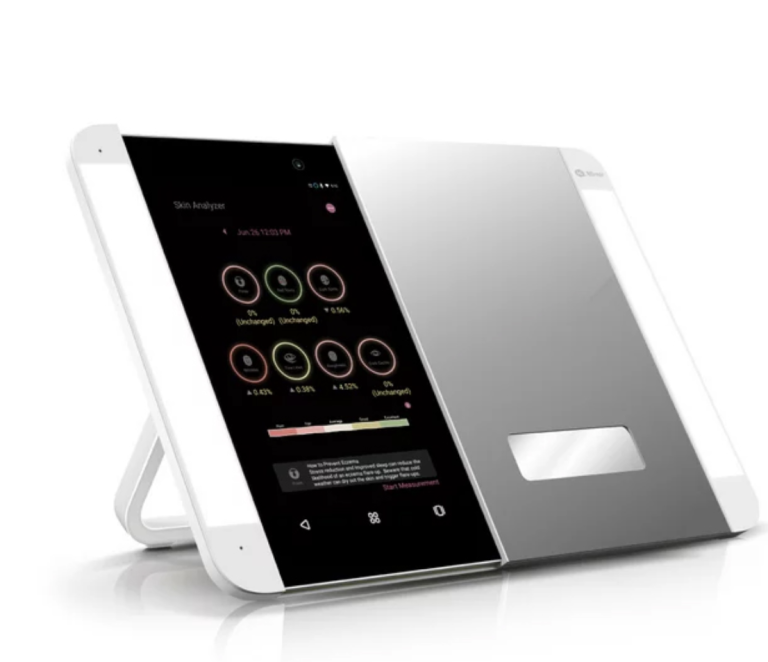
- AI-based skincare analysis tools that assess skin needs
- Style recommendation engines that suggest outfits based on behavior
- Personalized beauty routines generated from user input and history
This level of customization is no longer limited to premium brands and is expanding across mainstream retail.
Operational pressure is pushing smarter systems
Behind the consumer experience, brands are restructuring supply chains and production cycles. Technology is helping reduce delays and improve product accuracy.
- Predictive tools for demand planning
- Smarter inventory distribution systems
- Faster product development cycles supported by digital sampling
These improvements are essential to keeping up with fast-moving beauty and fashion trends.

Retail Innovation Transforming Fashion and Beauty Experiences
Retail environments are evolving into interactive spaces where digital and physical experiences blend together. Retail innovation is now a core expectation rather than an optional upgrade.
Stores are becoming experience-driven spaces
Physical retail is no longer just about displaying products. It is about creating interactive environments that enhance decision-making.
- Smart mirrors that simulate makeup looks or outfit combinations
- Augmented reality tools for virtual product testing
- In-store devices that recommend curated fashion or beauty sets
These tools allow customers to explore products in a more engaging and personalized way.
Omnichannel shopping is redefining convenience
Consumers move fluidly between online and offline shopping environments. Retail systems are adapting to support this behavior.
- Ability to test products in-store and purchase online
- Unified shopping carts across devices and platforms
- Seamless return and exchange systems integrated across channels
This integration strengthens the connection between beauty discovery and fashion purchase journeys.
Checkout innovation is removing friction from retail
Payment systems are also evolving as part of broader retail innovation strategies.
- Contactless and mobile-first payment options
- Self-checkout systems in fashion and beauty stores
- Automated billing processes for faster transactions
These improvements reduce wait times and improve overall shopping satisfaction.
Fashion Technology Trends Influencing Beauty and Style Choices
The overlap between fashion and beauty has created a shared ecosystem where technological tools serve both industries. Many innovations originally developed for fashion are now widely used in beauty retail.
AI-driven discovery is changing product selection
Artificial intelligence plays a central role in helping consumers find suitable products faster.
- Virtual beauty assistants that recommend skincare routines
- Fashion recommendation engines based on wardrobe analysis
- Predictive systems that identify emerging style preferences
These systems are shaping how consumers interact with both fashion and beauty catalogs.
Augmented reality is redefining try-on experiences
AR tools are especially influential in beauty retail, where visualization matters.
- Virtual makeup try-ons for lips, eyes, and skin tones
- Eyewear and accessory previews using facial mapping
- Outfit visualization tools that simulate real-world fit and style
This reduces uncertainty and supports more confident purchasing decisions.
Smart materials and wearable technology are emerging
Beyond digital tools, physical innovation is also advancing within fashion and beauty spaces.
- Fabrics that respond to environmental changes
- Beauty tools integrated with skin monitoring features
- Wearables that combine style with functional tracking
These innovations show how deeply fashion technology trends are embedded into product development.
The Future of Fashion Through Beauty and Digital Integration
The future of fashion is increasingly defined by a blend of personalization, sustainability, and digital experience. Beauty plays a major role in this evolution because it relies heavily on visual identity and self-expression.
Personalized ecosystems are becoming the standard
Fashion and beauty systems are evolving toward highly individualized experiences.
- AI-generated style and skincare routines
- Dynamic product recommendations based on behavior
- Integrated profiles that connect beauty and fashion preferences
These ecosystems allow brands to serve consumers in a more precise and relevant way.
Digital identity is expanding fashion expression
Fashion is no longer limited to physical garments or cosmetics.
- Digital clothing for online avatars and social media
- Virtual makeup filters linked to brand collaborations
- Hybrid experiences combining physical products with digital overlays
This expansion is reshaping how style is expressed in everyday life.
Sustainability is supported by technology
Environmental responsibility is increasingly tied to digital systems that improve efficiency and transparency.
- Tracking product lifecycle impact through digital tools
- Reducing waste through improved demand forecasting
- Supporting resale and circular fashion platforms
Sustainability is becoming an integrated part of retail innovation rather than a separate initiative.
How Fashion Technology Trends Are Defining the Next Phase of Style and Beauty
Fashion and beauty industries are now closely linked through shared technological systems, consumer expectations, and retail strategies. The influence of fashion technology trends, combined with rapid retail innovation, is shaping a more personalized and interactive shopping environment.
The future of fashion is emerging as a space where beauty, apparel, and digital tools work together to create seamless experiences. Consumers are no longer just purchasing products. They are interacting with intelligent systems that understand preferences, predict needs, and enhance self-expression across both physical and digital spaces.
This ongoing transformation continues to redefine how style is experienced, making fashion and beauty more connected, responsive, and experience-driven than ever before.
Frequently Asked Questions
1. What are fashion technology trends in fashion and beauty?
Fashion technology trends refer to digital innovations like AI, AR try-ons, and smart retail systems that improve how fashion and beauty products are designed, marketed, and purchased.
2. How is retail innovation changing shopping experiences?
Retail innovation is making shopping more interactive through smart mirrors, omnichannel systems, and seamless digital payment solutions that connect online and offline experiences.
3. Why is personalization important in the future of fashion?
Personalization allows fashion and beauty brands to tailor recommendations, routines, and product suggestions based on individual preferences and behavior.
4. What defines the future of fashion for beauty consumers?
The future of fashion is defined by digital integration, sustainability, and highly personalized experiences that combine beauty, fashion, and technology into one ecosystem.

© Copyright Fashion Times 2026. All rights reserved.


