
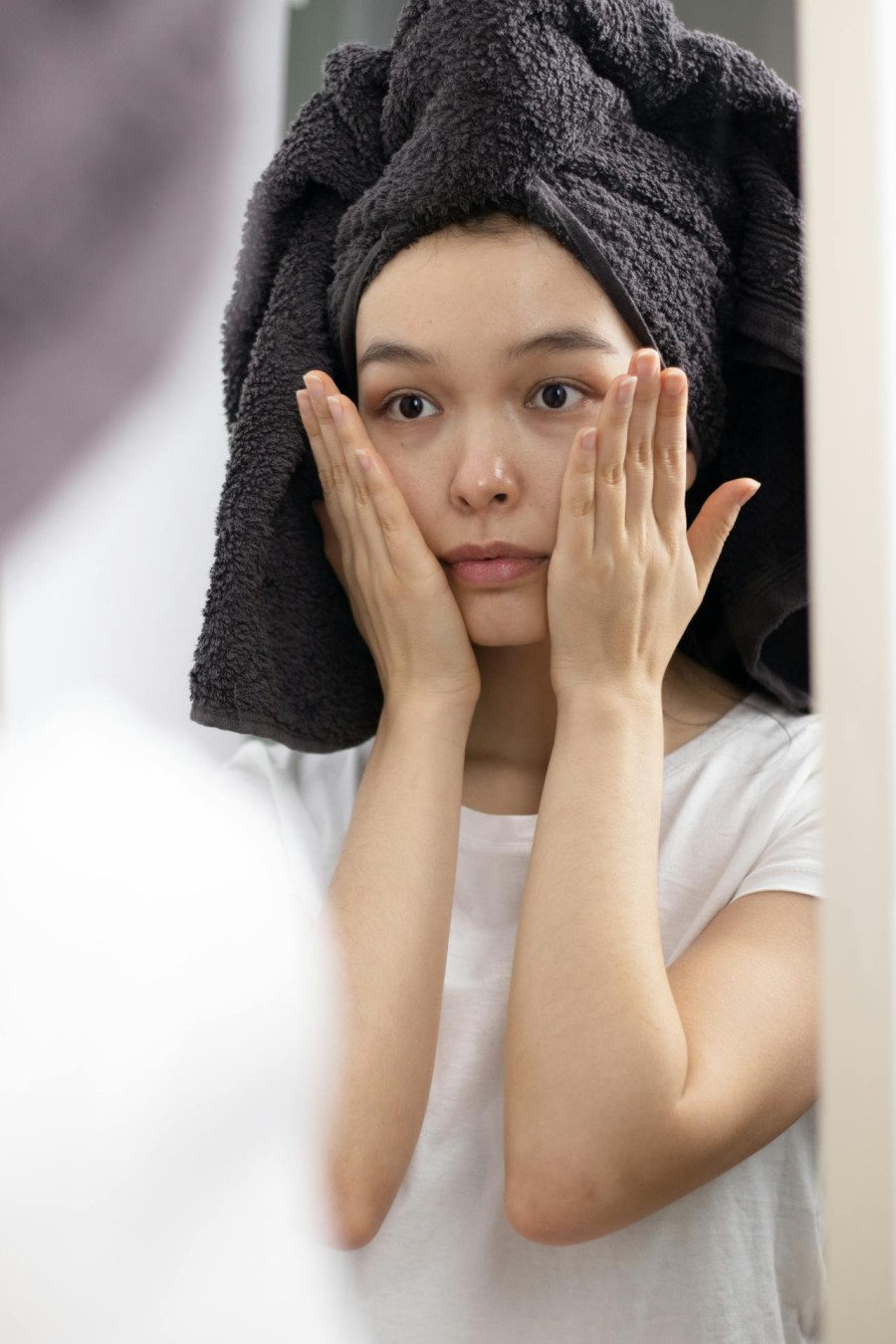
Spicule skincare has quickly become one of the most talked-about beauty trends online. From K-beauty brands to viral skincare routines, products featuring spicules are showing up in serums, ampoules, and exfoliating treatments promising smoother texture and radiant skin. The trend has attracted beauty enthusiasts looking for innovative ways to refresh dull complexions and improve product absorption.
Still, dermatologists and skincare experts continue to stress one important reminder: more is not always better. While spicule skincare can support healthier-looking skin when used properly, overdoing it may leave the skin irritated and vulnerable.
Understanding how spicules work and how to safely add them into a routine can help users enjoy the benefits without compromising skin health.
What Is Spicule Skincare?
Spicules are tiny needle-like structures often derived from marine sponges. In skincare, these microscopic particles are used to create a gentle prickling sensation on the skin. The goal is to encourage surface renewal while helping active ingredients penetrate more effectively.
Unlike traditional scrubs with large exfoliating particles, spicule skincare focuses on controlled micro-stimulation. Many users describe the feeling as tingly or slightly itchy immediately after application.
Spicule products are commonly marketed for:
- Smoother skin texture
- Brighter-looking skin
- Better absorption of skincare ingredients
- Support for uneven tone and rough patches
The growing popularity of spicule skincare is closely tied to the rise of skin cycling and advanced at-home treatments. Many beauty enthusiasts see it as a middle ground between standard exfoliation and professional microneedling.

Why Experts Are Warning Against Overuse
The biggest concern surrounding spicule skincare is overuse. Since spicules physically stimulate the skin, applying them too frequently can weaken the skin barrier over time.
A damaged barrier may lead to:
- Redness
- Dryness
- Increased sensitivity
- Flaking
- Burning sensations
- Breakouts triggered by irritation
Experts often recommend introducing spicule products slowly rather than using them daily right away. Skin needs time to adjust, especially when active ingredients like retinol or exfoliating acids are already part of a routine.
The key tip experts continue to repeat is simple: healthy skin comes from balance, not constant exfoliation.
How Does Spicule Skincare Work?
When applied to the skin, spicules create tiny pathways that temporarily stimulate the surface. This process may encourage faster turnover of dead skin cells while allowing skincare ingredients to sink in more effectively.
Many formulations combine spicules with hydrating or soothing ingredients to reduce irritation. Common pairings include hyaluronic acid, centella asiatica, ceramides, and peptides.
Users may notice:
- A mild prickling feeling after application
- Temporary redness that fades within hours
- Softer texture after consistent use
- Improved glow over time
Although the sensation can feel intense for beginners, discomfort should never become painful. Persistent irritation is usually a sign that the product is being used too often or combined with incompatible ingredients.
Can Sensitive Skin Use Spicule Skincare?
Sensitive skin users should approach spicule skincare carefully. Not every formula is created with delicate skin types in mind, and strong products can easily overwhelm an already compromised barrier.
Before trying a spicule treatment, experts usually suggest:
- Performing a patch test
- Starting with low-frequency use
- Avoiding other exfoliants on the same night
- Following with barrier-supporting moisturizers
People with rosacea, eczema, or highly reactive skin may find that traditional barrier-repair products work better than aggressive exfoliation methods.
For those determined to try the trend, gentler formulas with calming ingredients are often the safest starting point.

Healthy Skin Tips for Using Spicule Products Safely
Spicule skincare can fit into a balanced routine when paired with smart habits. Maintaining a healthy barrier is essential for long-term results.
Here are some healthy skin tips experts frequently recommend:
Start Slowly
Using a spicule treatment once a week is often enough for beginners. Increasing frequency too quickly may trigger irritation instead of improvement.
Focus on Hydration
Hydration helps offset the stimulating nature of spicules. Lightweight hydrating serums and barrier creams can help the skin recover comfortably.
Helpful ingredients include:
- Ceramides
- Panthenol
- Glycerin
- Hyaluronic acid
Avoid Layering Strong Actives
Combining spicules with harsh acids or retinoids in the same routine may overstimulate the skin.
Products best used cautiously alongside spicules include:
- Glycolic acid
- Salicylic acid
- Retinoids
- Benzoyl peroxide
Wear Sunscreen Daily
Freshly exfoliated skin can become more vulnerable to sun exposure. Daily sunscreen use helps protect the skin barrier and maintain results.
Is Spicule Skincare Better Than Retinol?
Spicule skincare and retinol serve different purposes, though some benefits overlap.
Retinol focuses on long-term cell turnover and signs of aging, while spicules primarily provide physical stimulation and enhanced absorption. Some people prefer spicules because they produce faster visible smoothness, while others stick with retinol for its established track record.
Neither ingredient is automatically better. The right choice depends on skin type, sensitivity level, and personal skincare goals.
Many dermatologists suggest avoiding the temptation to combine too many intensive treatments at once. Simpler routines often produce more consistent results over time.
Why Skin Barrier Health Still Matters Most
Trendy skincare products may come and go, but barrier health remains the foundation of healthy skin. A strong barrier helps the skin retain moisture, defend against irritation, and recover more efficiently from active treatments.
Spicule skincare can support smoother and brighter-looking skin when used thoughtfully. However, chasing quick results with excessive exfoliation may ultimately create more problems than benefits.
Paying attention to irritation, dryness, and sensitivity is often more valuable than following every viral skincare trend. Gentle consistency usually delivers better long-term results than aggressive routines.
Frequently Asked Questions
1. What does spicule skincare do for the skin?
Spicule skincare helps exfoliate the skin while supporting better absorption of active ingredients. Many users turn to it for smoother texture and brighter-looking skin.
2. Is spicule skincare painful?
Most users experience a mild prickling or tingling sensation rather than pain. Strong discomfort, burning, or lasting redness may indicate irritation.
3. How often should spicule skincare be used?
Many experts recommend starting once weekly and adjusting gradually based on skin tolerance. Overuse may damage the skin barrier.
4. Can spicule skincare be combined with retinol?
It can, but caution is important. Using both in the same routine may overstimulate sensitive skin, so alternating nights is often recommended.

© Copyright Fashion Times 2026. All rights reserved.


