

Red lipstick continues to hold its place as one of the most powerful makeup staples in beauty routines worldwide. It is often associated with confidence, polish, and immediate impact, yet choosing the right red is not always straightforward. The same shade can look striking on one person and overly bright or muted on another, which is why understanding undertones and formulation matters.
This guide breaks down how to identify the best red lipstick for your skin tone, explores classic red lipstick recommendations, and explains which long-lasting red lip products perform best in real-world wear. It is designed to help readers navigate shade selection with clarity rather than guesswork.
Why Red Lipstick Looks Different on Everyone
Red lipstick is influenced by multiple factors beyond the product itself. Lip pigmentation, lighting, and undertones all play a role in how the final shade appears on the face. A blue-based red may appear deep and elegant on one complexion while looking brighter on another.
Skin undertone is the most important factor. Cool, warm, and neutral undertones interact differently with pigments, which is why shade matching is rarely universal. Understanding this interaction is the foundation of selecting flattering reds.

How to Choose the Best Red Lipstick for Skin Tone
Choosing the best red lipstick for skin tone requires a balance between undertone harmony and desired intensity.
Fair Skin Tones
- Blue-based reds enhance brightness without overwhelming features
- Soft cherry reds add natural definition
- Sheer red tints work well for subtle everyday wear
Medium and Olive Skin Tones
- Brick reds add warmth and dimension
- Tomato reds create a balanced, bold effect
- Warm reds with orange undertones enhance natural glow
Deep Skin Tones
- Wine reds create depth and richness
- Burgundy shades offer an elegant contrast
- Blue-reds deliver a classic bold statement
Across all tones, neutral reds are often the most versatile option because they balance warmth and coolness without leaning too heavily in either direction.
Understanding Undertones for Better Red Selection
Undertones determine how lipstick interacts with natural skin color.
- Cool undertones pair well with blue-based reds
- Warm undertones harmonize with orange and brick reds
- Neutral undertones can support a wide range of reds
A simple way to identify undertone is to observe how skin reacts to gold or silver jewelry and how veins appear in natural light. This helps narrow down shades before testing lipstick directly.
Classic Red Lipstick Recommendations That Remain Timeless
The appeal of classic red lipstick recommendations lies in their versatility and proven wearability across different looks and occasions.
Timeless Red Categories
- True reds that balance warm and cool pigment
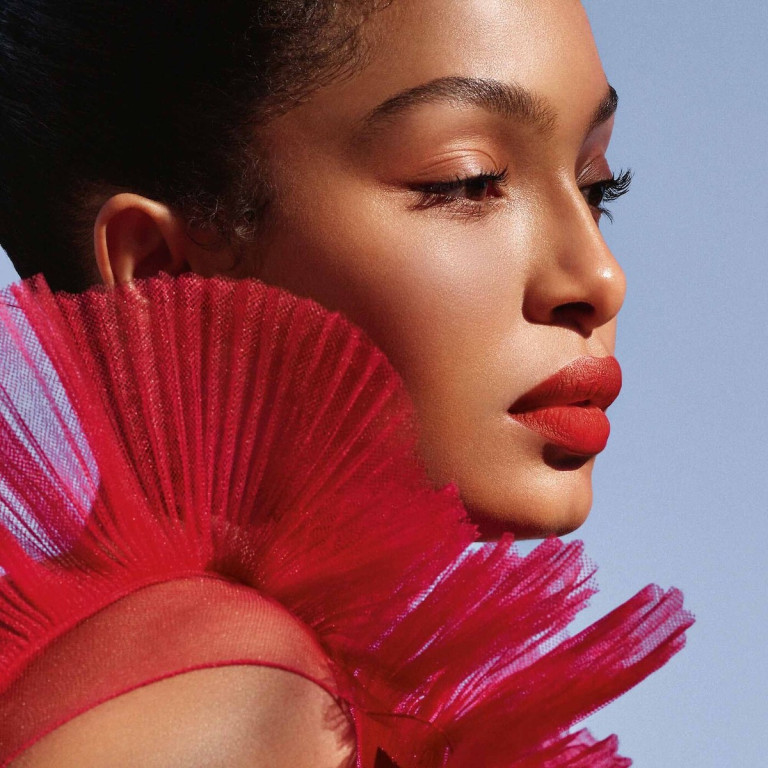
- Matte reds that create a bold editorial finish
- Satin reds that offer comfort with refined shine
Why Classic Reds Stay Relevant
- They complement both minimal and full glam makeup
- They transition easily from daytime to evening wear
- They remain consistent across changing trends
Rather than relying on trend-driven shades, classic reds offer reliability for everyday use and special occasions alike.
Long-Lasting Red Lip Products That Hold Through the Day
Performance matters just as much as color, especially for bold lipstick. Long-lasting red lip products are designed to reduce fading, smudging, and transfer.
Types of Long-Wear Formulas
- Liquid matte lipsticks that set firmly on the lips
- Stain-based formulas that leave lasting pigment
- Hybrid creams that combine comfort with staying power
Techniques That Improve Longevity
- Lip prep using exfoliation and hydration
- Applying a thin base layer and building color gradually
- Setting lipstick lightly with translucent powder through tissue
Long wear performance improves significantly when preparation is consistent, regardless of formula type.
Application Techniques for a Flawless Red Lip
Application precision determines how polished red lipstick appears.
- Lip liner helps define edges and prevent feathering
- Concealer around the lip line sharpens shape and corrects mistakes
- Layering lipstick in thin coats improves evenness
A clean application enhances even bold shades, making them appear more intentional rather than heavy.
Common Mistakes When Wearing Red Lipstick
Many issues with red lipstick come from technique rather than product choice.
- Choosing shades without considering undertones
- Skipping lip preparation before application
- Applying too much product in a single layer
- Ignoring lip shape balance when lining
Correcting these small habits often improves the overall appearance of lipstick more than switching products does.
Finding the Most Flattering Red Without Guesswork
Selecting the right red becomes easier when undertones, finish, and wear time are considered together. The best red lipstick for skin tone is not a single universal shade but a category that aligns with individual contrast, lighting, and personal style.
Rather than following trends alone, many makeup artists focus on building a small curated selection of reds that includes a neutral classic, a bold statement shade, and a comfortable everyday option. This approach ensures flexibility across occasions without overwhelming choice.
Frequently Asked Questions
1. How is the right red lipstick chosen for different skin tones?
It depends on undertone matching, where cool, warm, or neutral skin guides the shade direction for balance and harmony.
2. What makes a red lipstick long-lasting?
Formulas with matte or stain bases, combined with proper lip prep, tend to maintain color longer without frequent touch-ups.
3. Are classic reds suitable for everyday wear?
Yes, many classic shades are versatile enough for both casual and formal settings, depending on the application intensity.
4. Why does red lipstick sometimes look different in photos?
Lighting, camera exposure, and natural lip pigmentation can alter how red pigments are reflected and captured visually.

© Copyright Fashion Times 2026. All rights reserved.


