

The world of fashion retail is undergoing a technological revolution. Traditional shopping methods are increasingly complemented, or even replaced, by digital solutions that allow consumers to try on clothes without ever stepping into a store. Among these innovations, virtual try on fashion technologies are leading the way. By combining artificial intelligence (AI), augmented reality (AR), and advanced imaging, these tools provide consumers with immersive experiences that improve convenience, reduce uncertainty, and enhance satisfaction in online shopping.
What Is Virtual Try-On Technology?
Virtual try-on technology refers to systems that enable shoppers to see how clothes, shoes, or accessories look on them digitally. This can range from simple overlays that place garments on a static image of the user to advanced AR experiences that track body movements in real time.
Key components include:
- AI-powered fit algorithms: These predict how garments conform to different body shapes.
- 3D modeling and AR overlays: Realistically simulate clothing textures, colors, and drape.
- Camera-based input: Smartphones or webcams capture a user's dimensions and allow live interaction.
Retailers increasingly integrate virtual try-ons into apps, websites, and even in-store kiosks. This blend of technology forms the foundation for modern AR shopping experiences.

How Virtual Try-Ons Improve Online Clothing Fit
One of the main challenges in e-commerce is uncertainty around size and appearance. Unlike physical stores, online shoppers cannot touch the fabric, examine stitching, or gauge proportions. Poor fit is a leading cause of returns in the fashion industry, costing retailers billions annually.
Virtual try-ons address these challenges by providing:
- Enhanced visualization: Shoppers can see how garments move with the body in 3D simulations.
- Size and proportion guidance: Algorithms suggest the best size based on body measurements.
- Style experimentation: Users can combine different items or colors without commitment.
By improving online clothing fit, virtual try-ons not only reduce returns but also increase buyer confidence, encouraging more purchases and fostering customer loyalty.
Benefits of AR Shopping for Consumers
AR shopping (augmented reality-enabled retail) is revolutionizing how people experience fashion. Unlike traditional online shopping, AR provides interactive, immersive experiences that mimic the in-store environment.
Major benefits include:
- Time efficiency: No need to try multiple outfits in physical stores.
- Convenience: Try on items at home or anywhere using a smartphone.
- Personalization: Tailored recommendations based on body shape, preferences, or past purchases.
- Experimentation: Users can test bold colors, patterns, or new styles without risk.
Retailers also benefit from lower return rates, more accurate inventory forecasting, and deeper customer insights.
How Retailers Are Leveraging Virtual Try-On Fashion
Many fashion brands and retailers have embraced virtual try-on fashion as a central part of their digital strategy. Some common implementations include:
- Mobile apps with live AR try-ons: Users see garments overlaid on their bodies in real time.
- Website integrations: Customers upload photos or input measurements to preview clothing virtually.
- In-store smart mirrors: Shoppers can try multiple outfits digitally without changing physically.
Major brands are also experimenting with gamified experiences, allowing users to share virtual outfits on social media, thus blending shopping with engagement.
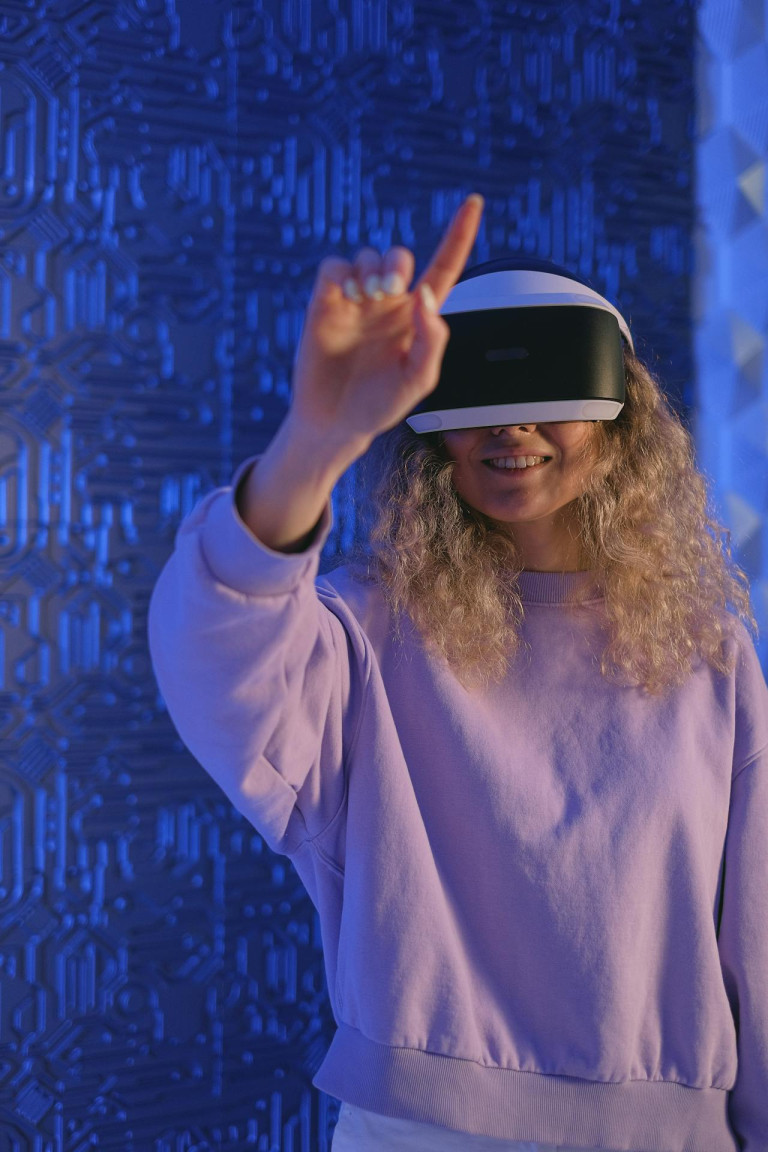
Challenges and Limitations of Virtual Try-On Technology
While virtual try-ons are transforming fashion retail, certain limitations persist. Awareness of these constraints helps both consumers and retailers make informed decisions.
Key challenges include:
- Accuracy issues: Differences in screen resolution, lighting, and camera angles may affect garment appearance.
- Body measurement variations: Users' self-reported dimensions or inaccurate scans can impact fit predictions.
- Device limitations: Older smartphones or computers may not fully support AR functionality.
- Privacy concerns: Collecting body data raises issues around data storage, sharing, and security.
Despite these limitations, ongoing improvements in AI and AR technologies continue to enhance realism and accuracy.
The Future of Virtual Try-On Fashion
The next decade is expected to see further integration of AR shopping into both online and offline retail. Future trends include:
- Hyper-realistic avatars: Personalized 3D representations of shoppers for precise fit simulation.
- Full outfit visualization: Users will try complete ensembles, from accessories to shoes, in real time.
- AI-powered recommendations: Predictive algorithms suggest items based on virtual try-on interactions.
- Social shopping experiences: Sharing virtual fits with friends and communities before purchase.
These innovations promise to make fashion retail more interactive, sustainable, and tailored to individual needs.
Why Virtual Try-On Fashion Matters
The rise of virtual try-on fashion signifies a broader shift in consumer expectations. Shoppers now demand convenience, personalization, and reliability in their purchases. Retailers who adopt AR and AI-driven solutions not only meet these expectations but also gain competitive advantages in engagement, sales, and operational efficiency.
By enhancing online clothing fit, virtual try-ons reduce waste from returns, increase satisfaction, and foster trust in digital shopping channels. As technology matures, virtual try-ons are poised to become an essential part of the fashion shopping experience, blending physical and digital worlds seamlessly.
Conclusion
Virtual try-ons are no longer a futuristic concept. They are a practical solution transforming fashion retail. By leveraging AR shopping technologies and AI-driven online clothing fit solutions, both consumers and retailers benefit. Shoppers enjoy the convenience of trying clothes virtually, while brands gain deeper insights, improved sales conversion, and reduced returns. As innovation continues, virtual try-on fashion will likely become a standard feature in digital and in-store shopping experiences, reshaping how people shop for clothes globally.
Frequently Asked Questions
1. How accurate are virtual try-ons?
Accuracy varies depending on the technology, device, and user input. Advanced systems using body scanning and AI provide highly realistic representations, but small discrepancies in fit or color may occur.
2. Do I need special devices for AR shopping?
Most AR shopping experiences work on modern smartphones, tablets, or computers with cameras. Some advanced features may require devices with higher processing power or AR capabilities.
3. Can virtual try-ons reduce online clothing returns?
Yes. By providing better visualization and fit guidance, virtual try-ons help shoppers make informed decisions, which significantly lowers the likelihood of returns.
4. Is my body data safe with virtual try-on apps?
Reputable platforms follow data privacy regulations and encrypt user information. Consumers should review privacy policies and avoid apps that request unnecessary personal data.

© Copyright Fashion Times 2026. All rights reserved.


