
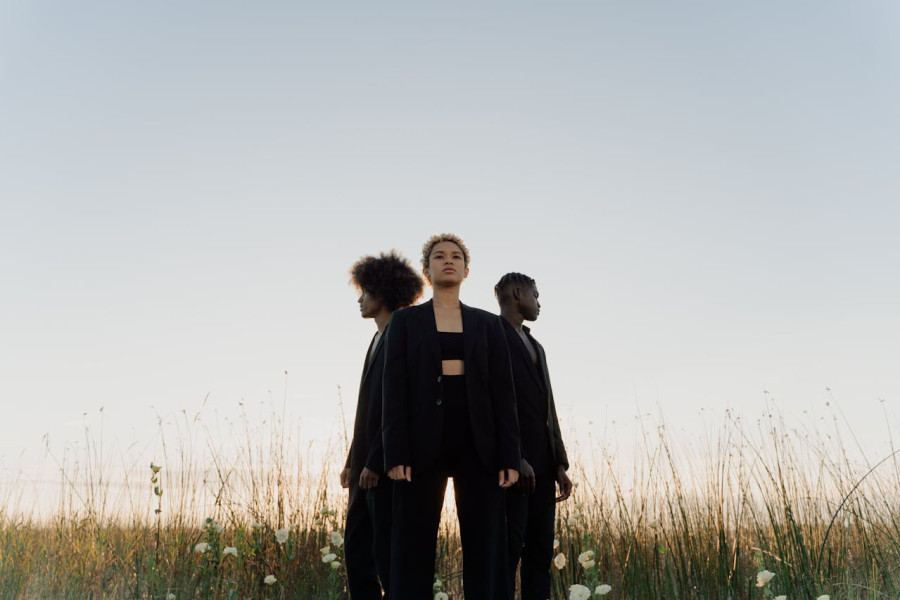
In recent years, fashion has witnessed a profound transformation. What once was a niche trend catering to a few avant-garde designers and consumers has now become a defining standard across the industry: genderless fashion. Driven by cultural shifts, evolving consumer expectations, and a growing commitment to fashion inclusivity, brands worldwide are embracing clothing that transcends traditional gender norms. This evolution is not just about style; it reflects a broader movement toward authenticity, self-expression, and inclusivity in fashion.
What Is Genderless Fashion and Unisex Clothing?
Genderless fashion refers to clothing designed without a specific gender label, allowing anyone to wear items without conforming to conventional expectations of "men's" or "women's" attire. Unlike traditional fashion that relies heavily on binary distinctions, genderless clothing focuses on versatility, comfort, and personal expression.
Closely related, unisex clothing trends emphasize universality in style and sizing, often featuring neutral silhouettes that fit a wide range of body types. While sometimes used interchangeably with genderless fashion, unisex design primarily addresses practical considerations, whereas genderless fashion challenges broader social and cultural assumptions about clothing and identity. Examples include oversized blazers, relaxed-fit trousers, minimalistic tees, and statement outerwear that can appeal to any individual regardless of gender identity.
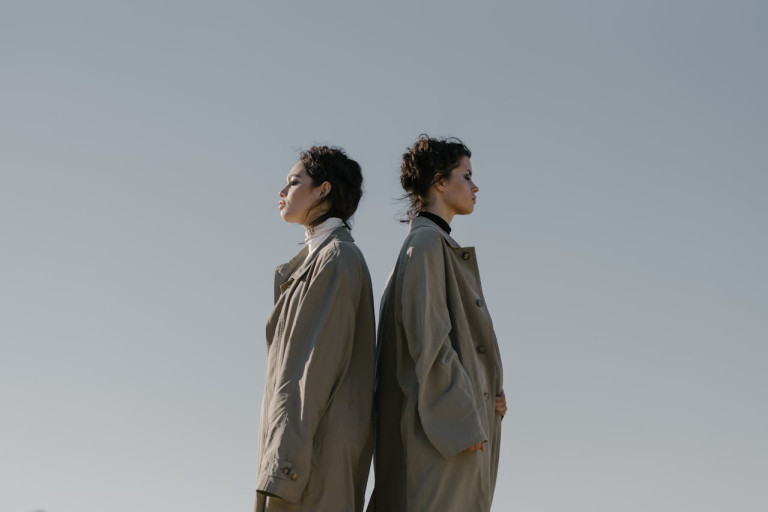
Why Genderless Fashion Is Here to Stay
The rise of genderless fashion is not accidental. Multiple factors have contributed to its adoption as an industry standard:
- Changing consumer expectations: Younger generations, particularly Gen Z, prioritize self-expression and reject the limitations of traditional gender roles. Surveys indicate that a significant portion of consumers actively seek clothing that aligns with their personal identity rather than their assigned gender.
- Market growth and brand adoption: Major fashion houses and mainstream retailers are introducing genderless collections, signaling industry-wide acceptance. Unisex clothing lines now appear in high-end fashion weeks, e-commerce platforms, and everyday retail stores.
- Cultural relevance: Beyond aesthetics, genderless fashion embodies fashion inclusivity, acknowledging diverse identities, body types, and expressions. This cultural resonance ensures that the movement is more than a passing trend. It is a reflection of society's evolving values.
How Fashion Inclusivity Is Transforming the Industry
Fashion inclusivity goes hand-in-hand with genderless design. It emphasizes representation, accessibility, and diversity in every aspect of the industry from design and marketing to retail experiences.
- Mainstream brands embracing inclusivity: Global brands such as Gucci, Zara, and H&M have launched genderless lines and has blurred the lines between traditional men's and women's collections. Smaller independent brands are also creating entirely unisex lines that challenge conventional sizing and aesthetics.
- Expansion beyond clothing: Genderless design extends to accessories, footwear, and even beauty products. Makeup and skincare brands now market products without gendered messaging, reflecting the holistic nature of modern fashion inclusivity.
- Design and marketing considerations: Inclusivity involves thoughtful design choices, such as offering versatile silhouettes, adaptive sizing, and campaigns featuring diverse models of all genders, races, and body types. This ensures that clothing resonates with a wider audience and goes beyond mere labeling.

Challenges and Misconceptions
Despite its growth, genderless fashion faces several challenges.
- Sizing and fit limitations: Many gender-neutral designs still favor certain body types, highlighting the need for more inclusive sizing standards.
- Misconception of simplicity: Some assume genderless fashion is limited to oversized basics or neutral tones. In reality, it encompasses bold patterns, tailored fits, and statement pieces that cater to diverse tastes.
- Beyond labeling: True inclusivity requires intentional design, marketing, and cultural awareness. Simply removing gender labels from clothing does not automatically create a genderless experience.
The Future of Genderless Fashion
The future of fashion is undeniably moving toward greater inclusivity. Genderless fashion is no longer experimental; it is becoming an integral part of standard practice. Innovations such as AI-driven personalized sizing, adaptive designs, and digital retail experiences are making it easier for brands to offer clothing that meets individual needs without defaulting to traditional gender norms.
Moreover, genderless fashion aligns with broader industry trends like sustainability and ethical production. By creating versatile, timeless pieces that appeal to all genders, brands can reduce overproduction and encourage more conscious consumption.
Conclusion
Genderless fashion, propelled by unisex clothing trends and a commitment to fashion inclusivity, has transcended the status of a trend and become a core principle of modern fashion. It reflects deeper societal shifts toward authenticity, diversity, and self-expression. For both consumers and brands, embracing genderless fashion is not just a choice anymore. It's an acknowledgment of the changing cultural landscape and the future of a truly inclusive fashion industry.
Frequently Asked Questions
What is the difference between genderless fashion and unisex clothing?
While both concepts challenge traditional gender norms, unisex clothing primarily focuses on universal sizing and practical versatility. Genderless fashion goes further, addressing cultural and social perceptions of gender, offering a broader range of styles, and promoting fashion inclusivity.
Is genderless fashion suitable for all body types?
While the goal of genderless fashion is inclusivity, some designs may still cater to specific body shapes. Brands are increasingly expanding size ranges and adaptive fits to ensure that clothing is accessible and flattering for diverse body types.
Will genderless fashion replace traditional gendered clothing entirely?
While genderless fashion is growing, traditional gendered collections will likely continue to coexist. The focus is on providing options and fostering inclusivity, allowing individuals to choose clothing that aligns with their personal identity rather than societal expectations.

© Copyright Fashion Times 2026. All rights reserved.


