

Clothing creates the foundation of a look, but accessories determine how that look is interpreted. A simple outfit can feel polished, playful, dramatic, or relaxed depending on the finishing pieces chosen. This is why fashion accessories styling plays such an important role in everyday dressing. Accessories do not just decorate an outfit. They guide the eye, shape proportions, and communicate intent without a single word being spoken.
Understanding how outfit finishing details work allows outfits to feel intentional rather than accidental. With the right style tips, the same clothing can move seamlessly between occasions, moods, and personal aesthetics.
Why Accessories Matter More Than Most People Realize
Accessories often take up less physical space than clothing, but they carry a large visual impact. They act as cues that help others quickly understand the tone of an outfit.
Key reasons accessories influence perception include:
- They draw attention to specific areas such as the face, waist, or hands
- They introduce contrast through color, texture, or shine
- They signal formality or ease based on material and structure
A plain shirt and trousers can appear office-ready with structured shoes and a leather bag. Swap those for sneakers and a canvas tote, and the same outfit reads casual. The clothing remains unchanged, but the message shifts entirely.
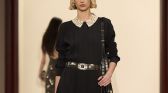
How Accessories Can Make an Outfit Look More Formal
Formality is often communicated through clean lines, refined materials, and controlled proportions. Accessories play a central role in reinforcing these signals.
Structured accessories tend to elevate an outfit:
- Polished leather bags
- Sleek belts with minimal hardware
- Closed-toe shoes with defined shape
In addition to structure, subtlety matters. When accessories blend smoothly with the outfit instead of competing for attention, the overall effect feels more refined. This approach to fashion accessories styling works especially well in professional or event settings where restraint is valued.
How Accessories Shift an Outfit Toward Casual
Casual outfits benefit from accessories that feel relaxed, functional, or slightly imperfect. These pieces soften the look and remove visual tension.
Common casual signals include:
- Soft fabrics like canvas, fabric straps, or woven materials
- Rounded shapes instead of sharp angles
- Accessories that prioritize comfort and movement
For example, replacing a stiff handbag with a slouchy shoulder bag immediately changes the tone. These outfit finishing details help an outfit feel approachable and wearable without appearing unfinished.
Using Accessories to Change the Mood of an Outfit
Mood in fashion is often shaped through color, scale, and texture. Accessories are ideal tools for adjusting emotional tone because they can be changed quickly and intentionally.
Color choices influence mood in clear ways:
- Neutral accessories create calm and balance
- Bold colors add energy and confidence
- Metallics introduce drama or elegance
Texture also plays a role. Smooth finishes feel sleek and controlled, while textured or matte surfaces feel relaxed and expressive. Thoughtful style tips often focus on mixing textures to add depth without overwhelming the outfit.

Can Accessories Make an Outfit Look More Expensive?
Price perception is closely tied to cohesion. Accessories that look deliberate and well-chosen can elevate even simple clothing.
Details that create a refined appearance include:
- Clean finishes without excessive logos
- Consistent color palettes
- Accessories that match the outfit's overall scale
An outfit with too many competing accessories often appears cluttered, regardless of cost. On the other hand, a few well-proportioned pieces suggest confidence and intention. This is where fashion accessories styling has the greatest impact.
How Statement Accessories Transform Simple Outfits
Statement accessories act as focal points. They are especially useful when clothing is minimal or neutral.
Effective statement pieces usually share these traits:
- One dominant element rather than multiple loud pieces
- Clear contrast with the outfit
- A defined purpose within the look
For example, a bold necklace or sculptural bag can anchor an outfit and give it character. The rest of the accessories should support that choice, not compete with it. This balance is one of the most practical style tips for building visually interesting outfits.
When Minimal Accessories Work Best
Minimalism in accessories is not about wearing nothing. It is about choosing pieces that quietly support the outfit.
Minimal accessories are most effective when:
- The clothing already has strong lines or details
- The occasion calls for subtlety
- The goal is a clean, timeless appearance
Simple studs, slim belts, and neutral shoes allow clothing to remain the focus while still providing essential outfit finishing details. This approach often feels effortless and intentional.
Finding Balance Without Over-Accessorizing
Too many accessories can dilute the impact of each piece. Balance is achieved by understanding proportion and purpose.
Helpful guidelines include:
- Choose one main focus point
- Keep supporting accessories understated
- Consider scale relative to body and clothing
Over-accessorizing often happens when pieces are added without a clear reason. Thoughtful fashion accessories styling prioritizes clarity over quantity.
Why Accessories Define the Final Look of an Outfit
Accessories are the final layer that completes an outfit. They clarify whether a look is relaxed or refined, bold or subtle, playful or serious. Clothing sets the base, but accessories shape the story. By paying attention to outfit finishing details and applying practical style tips, outfits become more versatile and expressive without requiring a larger wardrobe.
Frequently Asked Questions
1. How do accessories change the tone of an outfit?
Accessories influence tone through structure, color, and texture. They signal whether an outfit is formal, casual, bold, or understated even when the clothing stays the same.
2. What accessories have the biggest impact on styling?
Bags, shoes, and jewelry usually have the strongest visual influence because they define structure, proportion, and focal points in an outfit.
3. Is it better to invest in statement or basic accessories?
Both serve different purposes. Basics support daily wear and versatility, while statement pieces help transform simple outfits and add personality.
4. How many accessories should be worn at once?
There is no fixed number, but balance matters. One main accessory with a few supporting pieces usually creates a cohesive and intentional look.

© Copyright Fashion Times 2026. All rights reserved.


