
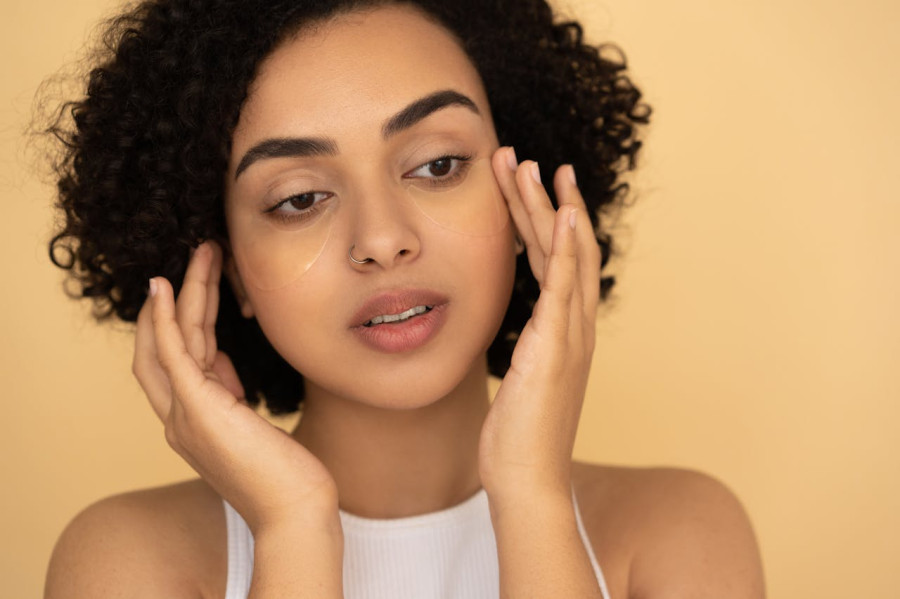
Collagen is a structural protein that plays a major role in maintaining skin firmness, smoothness, and elasticity. As skin ages, natural collagen production gradually slows, leading to visible and textural changes. Understanding collagen loss signs early can help support healthier-looking skin through consistent anti aging skin care and targeted lifestyle habits focused on skin elasticity decline prevention.
Rather than sudden changes, collagen reduction tends to show up subtly over time. These early indicators often serve as the skin's way of signaling that internal support structures are weakening.
What Triggers Collagen Decline in Skin
Collagen loss is influenced by both internal aging and external stressors. While natural aging is unavoidable, several environmental and lifestyle factors can accelerate the process.
Common contributors include:
- Prolonged sun exposure without protection
- Repeated exposure to pollution and environmental toxins
- High sugar intake, which can affect collagen integrity
- Smoking habits that restrict oxygen flow to the skin
- Lack of sleep and chronic stress
- Inconsistent skincare routines
These factors gradually weaken the skin's support system, making early recognition of changes especially important for long-term skin health.

5 Early Signs of Collagen Loss
1. Fine lines becoming more noticeable
One of the earliest collagen loss signs is the appearance of fine lines, particularly around expressive areas such as the eyes, mouth, and forehead. These lines often appear more visible when the skin is dehydrated or tired.
Over time, reduced collagen makes it harder for the skin to "bounce back" after repeated facial movements, causing lines to remain more consistently visible.
2. Reduced skin firmness and subtle sagging
Collagen provides structural support beneath the skin. When levels decline, the skin may begin to feel less firm.
This can present as:
- Softening along the jawline
- Slight drooping in cheek areas
- A less lifted appearance overall
These changes are gradual, making them easy to overlook in the early stages.
3. Dullness and uneven texture
Healthy collagen contributes to smooth, radiant skin. As production slows, the surface may appear less refined.
Typical changes include:
- Rough or uneven texture
- Loss of natural glow
- Makeup sitting differently on the skin
This dullness is often mistaken for dehydration alone, but it can also signal early structural changes beneath the surface.
4. Skin that feels thinner or more fragile
Another noticeable sign involves a shift in skin density. Skin may begin to feel thinner or more delicate than before.
This can show up as:
- Increased transparency in certain areas
- Easier bruising or sensitivity
- Slower response to irritation or minor damage
These changes are closely linked to reduced collagen support in the deeper layers.
5. Slower visible recovery from daily stress
Skin constantly repairs itself from environmental exposure, minor breakouts, and irritation. When collagen levels decline, this repair process may appear slower.
This can result in:
- Lingering marks from blemishes
- Extended redness after irritation
- Reduced overall skin resilience
Supporting repair function becomes an important part of anti aging skin care at this stage.

How to Support Skin and Slow Collagen Decline
Strengthening daily skincare habits
A consistent skincare routine plays a key role in skin elasticity decline prevention. Rather than focusing on quick fixes, long-term support helps maintain visible skin quality.
Helpful ingredients and practices include:
- Sunscreen use as a daily non-negotiable step
- Vitamin C serums to support skin brightness and collagen function
- Retinoid-based products to encourage skin renewal
- Hydrating ingredients like hyaluronic acid to improve surface plumpness
- Gentle cleansing to avoid barrier disruption
Consistency matters more than complexity when it comes to supporting collagen health through skincare.
Nutrition that supports skin structure
Skin health is closely tied to dietary habits. Certain nutrients contribute to maintaining collagen integrity and supporting natural production.
Foods often associated with skin support include:
- Protein-rich foods such as eggs, fish, and legumes
- Fruits high in vitamin C like citrus and berries
- Leafy greens for antioxidant support
- Nuts and seeds for healthy fats and minerals
Hydration also plays a role in maintaining skin elasticity and overall appearance.
Lifestyle choices that protect collagen
Daily habits influence how quickly collagen breaks down. Supporting skin from within often involves simple but consistent lifestyle adjustments.
Key practices include:
- Prioritizing restful sleep to support skin regeneration
- Managing stress through mindful routines or light physical activity
- Avoiding excessive sun exposure without protection
- Reducing smoking and limiting alcohol intake
These habits collectively support long-term skin resilience.
Building an Effective Anti Aging Skin Care Approach
An effective anti aging skin care approach is not centered on reversing time but on maintaining skin function for as long as possible. This involves prevention, protection, and nourishment.
A balanced routine often includes:
- Morning sun protection and antioxidant support
- Evening repair-focused skincare with active ingredients
- Regular hydration for barrier strength
- Gentle exfoliation to maintain surface renewal
When practiced consistently, these steps support both visible radiance and structural skin health.
Key Takeaways on Collagen Loss and Skin Aging
Early recognition of collagen loss signs allows for more intentional skincare and lifestyle decisions. While collagen decline is a natural part of aging, its visible effects can be supported through thoughtful care routines, nutrient-rich habits, and protective measures.
Maintaining skin elasticity decline prevention strategies over time helps preserve smoother texture, firmness, and overall skin vitality.
Frequently Asked Questions
1. What are the earliest signs of collagen loss in the skin?
Early signs often include fine lines, reduced firmness, uneven texture, and a subtle loss of skin radiance. These changes tend to appear gradually and are easiest to notice around expressive areas of the face.
2. At what age does collagen production start to decline?
Collagen production naturally begins to slow in early adulthood. However, visible changes vary depending on lifestyle, sun exposure, and skincare habits.
3. Can skincare products really help with collagen support?
Certain skincare ingredients such as retinoids, vitamin C, and peptides can support skin renewal and help maintain the appearance of firmness when used consistently as part of a routine.
4. What is the most effective way to slow down collagen loss?
A combination approach works best, including daily sun protection, balanced nutrition, stress management, and a consistent skincare routine focused on hydration and skin barrier health.

© Copyright Fashion Times 2026. All rights reserved.


