
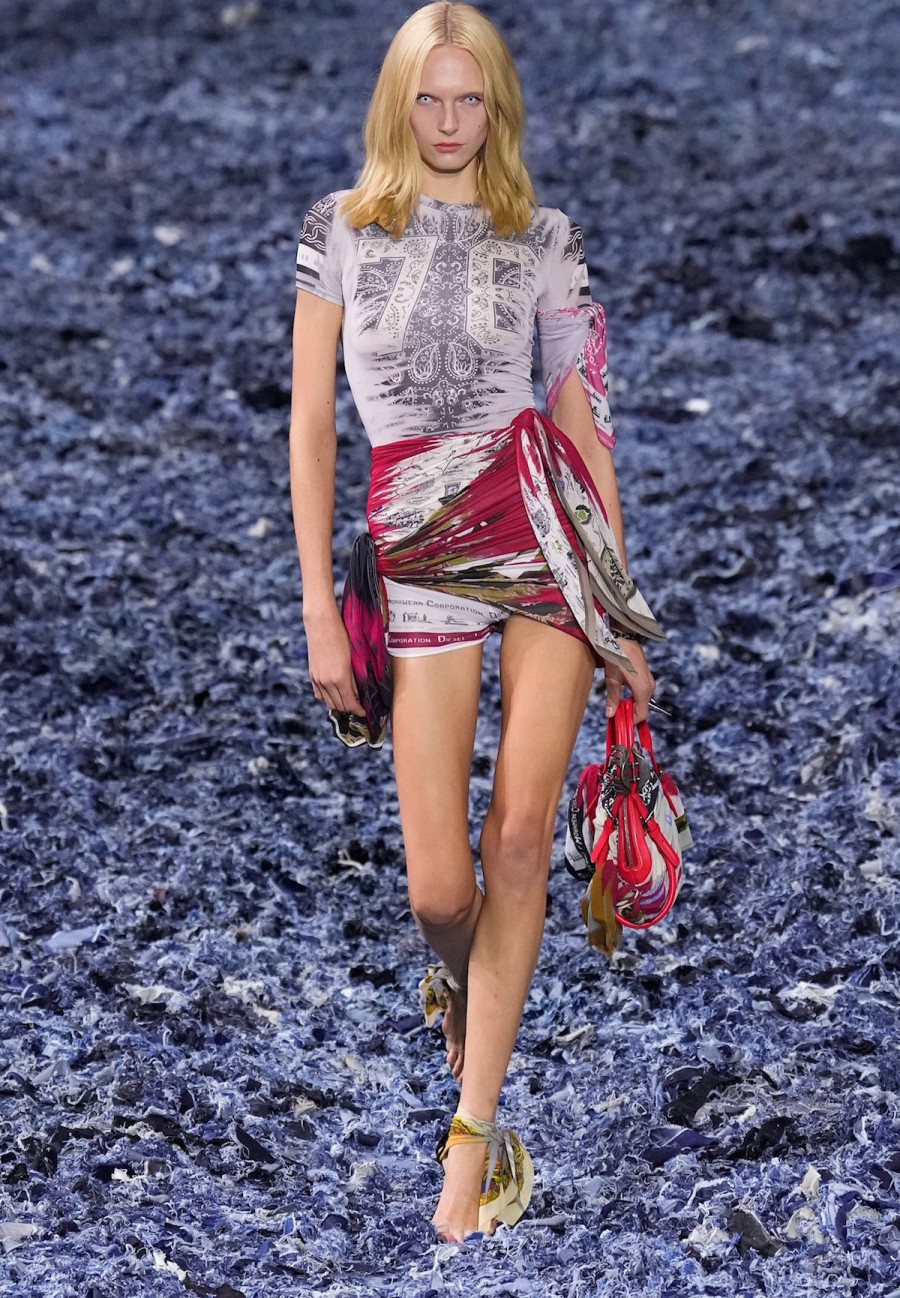
For decades, the runway was a stage for fantasy. Oversized silhouettes, dramatic proportions, and conceptual storytelling often took precedence over wearability. Today, a noticeable shift is taking place. Designers across global fashion weeks are placing function at the center of their collections, proving that practicality and creativity are no longer opposing forces. The functional fashion runway is becoming a reflection of real life, shaped by changing lifestyles, climate concerns, and evolving consumer expectations.
Rather than abandoning artistry, this movement reframes it. Clothing now tells a quieter story, one rooted in movement, adaptability, and longevity.
What Functional Fashion Means in a Runway Context
Functional fashion on the runway focuses on garments designed to be worn beyond the show space. These designs emphasize purpose without stripping away visual interest. The idea is not minimalism for its own sake, but thoughtful construction that supports everyday use.
Key aspects commonly seen on the functional fashion runway include:
- Flexible silhouettes that allow natural movement
- Fabrics chosen for comfort, durability, and climate adaptability
- Details such as pockets, adjustable fastenings, and modular elements
This approach aligns closely with wearable couture, where craftsmanship remains central, but garments are designed to exist in daily wardrobes rather than archival collections.
Why Designers Are Shifting Away From Fantasy-Driven Runways
The move toward functionality reflects broader cultural and economic changes. Consumers are more selective, investing in pieces that can be worn repeatedly across settings. Designers are responding by creating collections that feel relevant rather than symbolic.
Several factors influence this shift:
- Lifestyle changes favor clothing that transitions easily from work to social settings
- Growing interest in sustainability and reduced overconsumption
- A desire for authenticity in fashion presentation
Instead of escapism, the runway increasingly mirrors real needs, positioning clothing as a tool rather than a spectacle.
How Function Is Reshaping Runway Aesthetics
Function-first design has introduced a new visual language on the runway. Clean lines, restrained palettes, and intentional layering replace excess and exaggeration. This aesthetic does not remove emotion from fashion, but channels it through subtle design decisions.
Common visual shifts include:
- Streamlined tailoring instead of rigid structure
- Neutral and earthy color stories that extend seasonal relevance
- Layering designed for practicality rather than theatrical volume
These choices reflect modern design trends that prioritize clarity, longevity, and ease of wear.

The Building Blocks of a Functional Fashion Runway
Designers embracing functionality often rely on a consistent set of principles. These elements help bridge the gap between runway presentation and real-world wear.
Core components include:
- Transformable garments that adjust in length, shape, or styling
- Utility-driven details such as oversized pockets or reinforced seams
- Textile innovation focused on breathability, stretch, and durability
By integrating these features, collections maintain a high-fashion identity while remaining accessible and practical.
Wearable Couture as the New Expression of Luxury
Luxury is increasingly defined by how clothing feels and functions, not just how it looks. Wearable couture embodies this change, combining traditional craftsmanship with thoughtful design choices that suit daily life.
This evolution suggests that luxury now values:
- Precision tailoring that adapts to the body
- Materials selected for comfort as much as appearance
- Designs meant to be worn repeatedly rather than preserved
Runways showcasing wearable couture highlight a future where exclusivity is expressed through quality and intention, not excess.
The Influence of Sustainability on Function-First Design
Sustainability plays a significant role in the rise of functional fashion. Designers aiming to reduce waste often create versatile garments that work across seasons and occasions. Functionality naturally supports this goal by encouraging longer garment lifespans.
Notable sustainable design practices include:
- Seasonless collections built around adaptable layers
- Reduced reliance on trend-driven silhouettes
- Emphasis on durability and repair-friendly construction
As a result, the functional fashion runway often overlaps with responsible design principles.
What This Shift Signals for the Future of Runway Fashion
The growing emphasis on function suggests that runways are becoming less about fantasy worlds and more about future wardrobes. Designers are using shows to propose realistic yet refined ways of dressing, rooted in how people actually live.
This direction indicates:
- Greater alignment between runway pieces and retail collections
- Increased consumer trust in runway-presented designs
- Continued growth of modern design trends centered on usability
Fashion shows are no longer distant spectacles but practical previews of evolving style norms.
When Function Becomes the New Fashion Statement
Functionality on the runway is not a limitation. It is a design philosophy that values intention, movement, and relevance. As designers continue to explore this balance, the functional fashion runway stands as evidence that clothing can be thoughtful, expressive, and wearable all at once. In this space, modern design trends and wearable couture meet, shaping a fashion landscape grounded in real life rather than fantasy.
Frequently Asked Questions
1. What defines a functional fashion runway?
A functional fashion runway showcases designs that prioritize wearability, comfort, and adaptability while maintaining a high level of craftsmanship and visual appeal.
2. How is wearable couture different from traditional couture?
Wearable couture focuses on refined construction and luxury materials but is designed for regular use rather than purely artistic or ceremonial purposes.
3. Why are modern design trends moving toward functionality?
Modern design trends reflect changing consumer values, including sustainability, practicality, and a desire for clothing that fits seamlessly into everyday life.
4. Can functional fashion still be creative?
Yes. Creativity in functional fashion appears through innovative tailoring, fabric choices, and subtle design details rather than dramatic or exaggerated forms.

© Copyright Fashion Times 2026. All rights reserved.


