
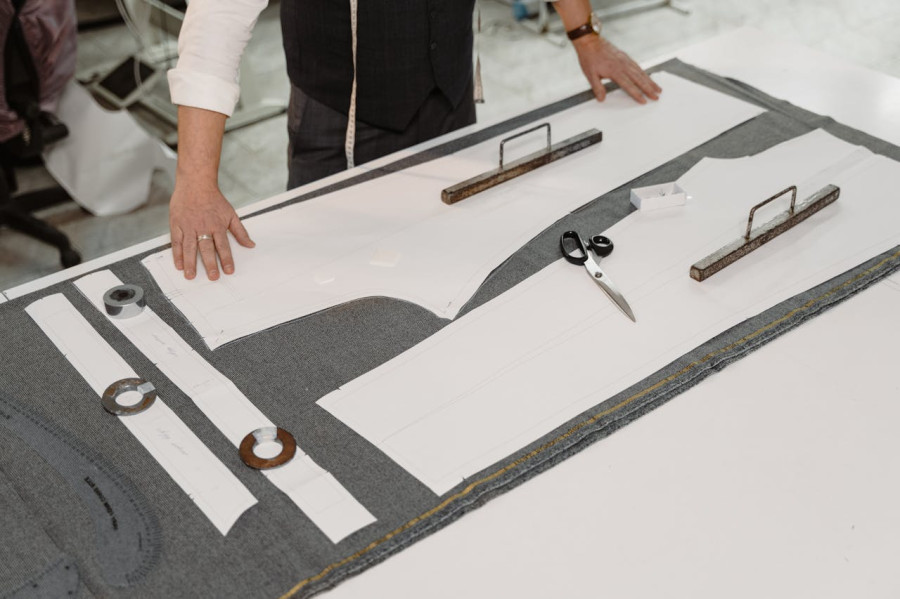
Great style often comes down to fit, not trends or price tags. Many everyday outfits fall short because of small but noticeable clothing fit issues that are easy to overlook when shopping. This is where tailoring benefits become clear. With the right fashion alterations, garments can look intentional, comfortable, and far more polished without replacing an entire wardrobe.
Below are seven common fit problems that tailoring can address quickly, along with why these adjustments make such a visible difference.
Why Fit Matters More Than the Label
Clothing is produced using standard sizing that rarely accounts for body shape differences. Two people wearing the same size can experience completely different results. Poor fit can shorten proportions, restrict movement, or make clothing appear sloppy even when the material is high quality.
Tailoring focuses on correcting these inconsistencies. Instead of forcing the body to adapt to clothing, alterations allow clothing to adapt to the body.
Common reasons clothes do not fit properly
- Variations in height and limb length
- Differences in shoulder width or torso shape
- Weight distribution that standard sizes do not reflect

1. Pants That Are Too Long or Too Short
Pant length is one of the most common clothing fit issues and also one of the simplest to fix. Excess fabric pooling at the ankles or hems sitting awkwardly above the shoe can disrupt the entire outfit.
Tailoring can:
- Shorten hems for a clean break at the ankle or shoe
- Adjust length based on footwear type
- Maintain original stitching for a natural finish
This small change improves proportion instantly and works for jeans, trousers, and even casual pants.
2. Waistbands That Gap or Feel Restrictive
A waistband that gaps at the back or feels tight when sitting often signals a mismatch between waist and hip proportions. This is especially common with off-the-rack pants and skirts.
Fashion alterations at the waist can:
- Reduce gaping without affecting hip fit
- Slightly let out tight areas if seam allowance allows
- Improve comfort without changing the garment style
Better waist fit means fewer adjustments throughout the day and a smoother overall look.
3. Shirts That Are Too Boxy or Too Tight
Shirts are often designed with a straight cut, which does not suit every body shape. The result can be excess fabric through the torso or pulling across the chest.
Tailoring adjustments may include:
- Taking in side seams for a closer fit
- Adding darts to shape the waist
- Balancing fit without restricting movement
These changes enhance structure while keeping the shirt comfortable for daily wear.
4. Sleeves That Throw Off Proportion
Sleeve length and width are easy to miss but highly noticeable once corrected. Sleeves that cover the hands or sit awkwardly mid-forearm can make a garment look ill-fitting.
Alterations can address:
- Sleeve length on shirts, jackets, and dresses
- Excess width that causes fabric to bunch
- Balance between sleeve and body proportions
Well-fitted sleeves help clothing appear intentional rather than borrowed or oversized.
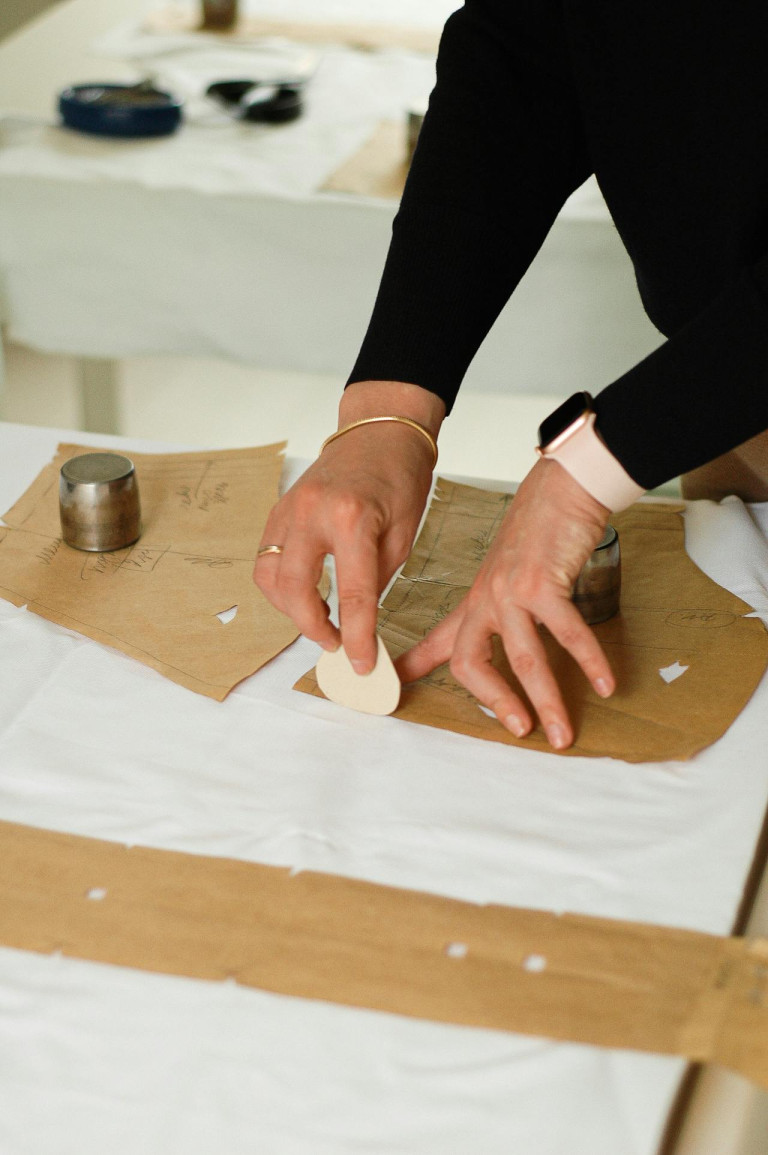
5. Jackets That Do Not Sit Right on the Upper Body
The way a jacket fits through the shoulders and upper torso determines how polished it looks. While shoulder alterations can be complex, many other adjustments are highly effective.
A tailor can often:
- Shape the waist for a cleaner silhouette
- Adjust sleeve length without altering structure
- Improve balance between front and back panels
Knowing which changes are realistic is one of the key tailoring benefits, helping shoppers decide which pieces are worth altering.
6. Dresses That Lack Shape or Pull in Certain Areas
Dresses are meant to follow the body, yet many off-the-rack styles fail to do so. Common clothing fit issues include loose waists, tight hips, or uneven hems.
Tailoring solutions may involve:
- Taking in the waist for definition
- Adjusting seams to allow easier movement
- Leveling hems for consistent length
These fashion alterations can transform a dress from uncomfortable to effortless without changing its original design.
7. Clothes That Restrict Movement
Fit is not just about appearance. Clothing that looks fine while standing but feels tight when walking or sitting often needs subtle adjustments.
Tailors can improve comfort by:
- Letting out seams in stress areas
- Rebalancing garment tension
- Ensuring ease of movement without visible changes
Comfort-focused alterations are often overlooked but play a major role in how often a piece gets worn.
How Tailoring Improves Wardrobe Longevity and Value
Investing in tailoring extends the life of clothing and reduces the need for frequent replacements. Instead of discarding pieces that almost fit, alterations allow garments to evolve with changing needs.
Key long-term benefits include:
- Better cost per wear over time
- Reduced wardrobe waste
- Increased confidence in everyday outfits
When clothing fits properly, it is more likely to stay in rotation rather than sitting unused.
Why Tailoring Is the Missing Step in Better Dressing
Understanding fit shifts the focus away from constant shopping and toward refinement. Tailoring benefits go beyond aesthetics by improving comfort, movement, and practicality. Addressing common clothing fit issues through thoughtful fashion alterations allows individuals to build a wardrobe that works harder and lasts longer.
Frequently Asked Questions
1. Is tailoring worth it for everyday clothes?
Yes. Simple alterations like hemming or waist adjustments often cost less than replacing an item and significantly improve how frequently it gets worn.
2. What clothing items are easiest to tailor?
Pants, skirts, shirts, and dresses with straightforward seams are usually the easiest and most cost-effective to alter.
3. Can tailoring fix all fit problems?
Not all issues can be resolved. Major shoulder changes or garments with very limited seam allowance may not be suitable for alteration.
4. How do fashion alterations affect clothing longevity?
Proper fit reduces strain on seams and fabric, helping garments maintain their shape and last longer with regular wear.

© Copyright Fashion Times 2026. All rights reserved.


