

Online shopping has become the default for many families, especially when buying children's clothing. Convenience, wider selection, and frequent discounts make it appealing, but returns remain a persistent issue. Kids grow quickly, sizing varies between brands, and online images rarely tell the full story. Understanding kids' clothing fit and applying practical online shopping tips can significantly reduce returns while making the process less stressful for parents.
Rather than relying on guesswork, parents who approach online shopping strategically tend to experience fewer sizing mistakes and better overall satisfaction.
Why Returns Are So Common With Kids' Clothes
Returns happen for predictable reasons. Children's proportions change rapidly, and clothing brands rarely follow a universal sizing system. What fits perfectly in one brand may feel tight or oversized in another.
Several factors contribute:
- Growth spurts that happen between ordering and delivery
- Age-based sizing that ignores height and build differences
- Fabric behavior after washing
- Inconsistent fit standards across brands
Recognizing these factors is the first step in building a reliable fashion returns guide for kids' shopping.

How Parents Can Choose the Right Size Before Ordering
Choosing the correct size starts with accurate measurements. Height, chest, waist, and inseam provide more useful information than age alone. Measurements should be updated regularly, especially before seasonal shopping.
Helpful sizing practices include:
- Comparing measurements directly with brand-specific size charts
- Choosing the larger size when measurements fall between two options
- Saving size charts for brands that consistently fit well
These steps make size selection more consistent and reduce trial-and-error ordering.
Do Kids' Clothing Sizes Run True to Size?
"True to size" is a relative term. Some brands design clothing for slimmer builds, while others allow extra room for movement or growth. Even within the same brand, basics and trend-driven pieces may fit differently.
To evaluate fit accuracy:
- Read multiple reviews for repeated sizing comments
- Look for reviewer details such as child height and weight
- Pay attention to notes about length, waist adjustment, or stretch
Patterns across reviews often provide clearer guidance than the product description alone.
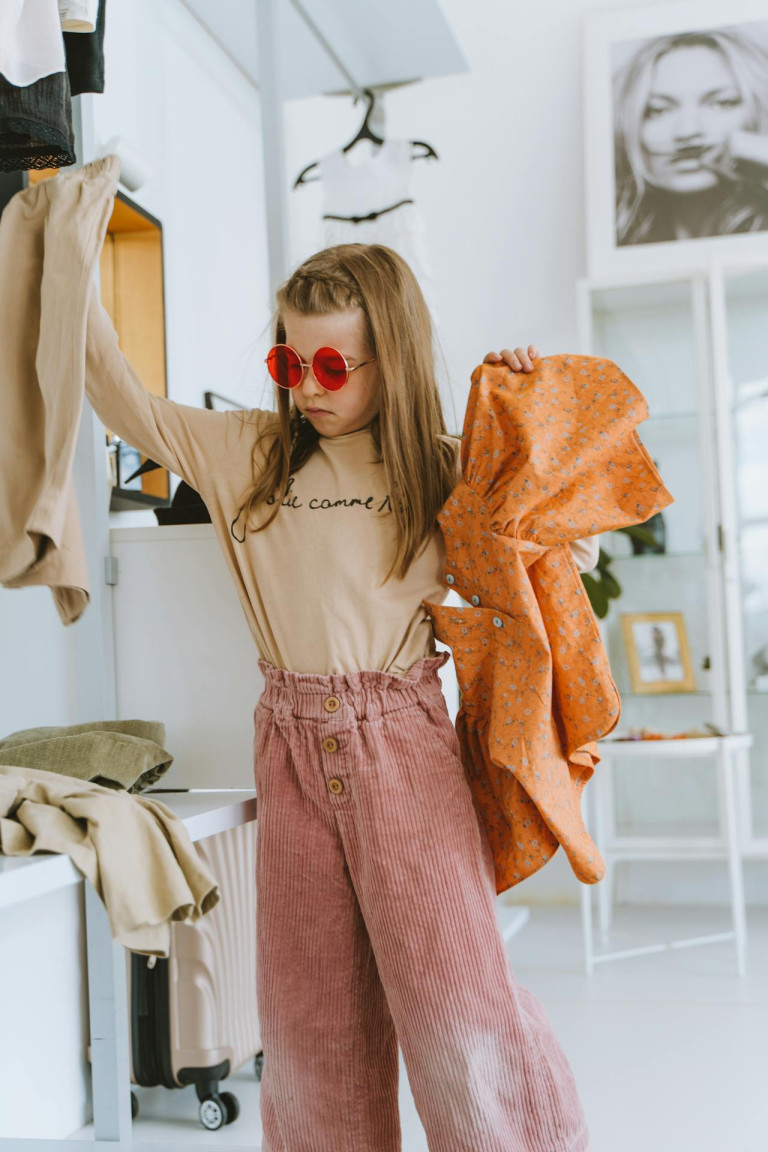
What Product Descriptions Reveal About Kids Clothing Fit
Product descriptions often include small details that have a big impact on fit. Fabric composition is especially important. Pure cotton may shrink, while blended fabrics tend to stretch or hold shape better.
Details worth noting:
- Fit terms like "slim," "classic," or "relaxed"
- Fabric weight and seasonal use
- Whether the item is designed to layer
When descriptions lack clarity, reviews typically offer more practical insight.
How Reviews Help Parents Avoid Returns
Customer reviews are one of the most effective tools for avoiding returns. Parents frequently share honest feedback when something doesn't fit as expected.
Useful review strategies:
- Filter by most recent reviews
- Look for photos of real children wearing the item
- Focus on comments about comfort and movement
Over time, reviews act as a shared experience database, strengthening any fashion returns guide.
Is It Better to Size Up or Buy Multiple Sizes?
Sizing up can work well for certain items, particularly outerwear or casual tops. However, structured pieces such as jeans, uniforms, or formal clothing often require a more precise fit.
General guidelines:
- Size up for coats, sweatshirts, and pajamas
- Stick closely to measurements for pants and fitted items
- Buy multiple sizes only when free returns are guaranteed
This approach balances flexibility with practicality.
Why Return Policies Matter More Than Parents Think
Return policies vary widely between retailers and brands. Some offer extended windows and free shipping, while others restrict returns on sale items or charge fees.
Before purchasing, parents should check:
- Return deadlines
- Whether return shipping is free or deducted
- Refund method (store credit versus original payment)
Considering return terms ahead of time is part of smart online shopping tips, not an extra step.
Online Shopping Tips That Reduce Mistakes Over Time
Parents who shop online regularly often develop systems that reduce repeat errors. Tracking what works creates consistency and confidence.
Effective habits include:
- Keeping notes on brands that fit each child well
- Reordering successful items in new sizes or colors
- Avoiding bulk purchases from unfamiliar brands
Over time, this approach reduces returns without limiting variety.
How Parents Can Reduce Fashion Returns as Kids Grow
As children get older, patterns become easier to predict. Preferences, body shape, and comfort needs become more consistent, making sizing decisions simpler.
Long-term strategies include:
- Shopping closer to the season instead of far in advance
- Choosing adjustable features like elastic waists or drawstrings
- Letting kids provide feedback on comfort and fit
These small adjustments gradually reduce return rates.
Smarter Online Shopping for Kids' Clothes
Avoiding returns isn't about finding perfect sizing every time. It's about informed decisions. When parents rely on measurements, reviews, and consistent brands, kids clothing fit becomes easier to manage. These online shopping tips help families save time, reduce frustration, and build a practical fashion returns guide that works across growth stages.
Frequently Asked Questions
1. How often should parents measure kids for online clothing?
Measurements should be updated every three to four months or before seasonal shopping.
2. Is age-based sizing reliable for kids' clothes?
Age-based sizing is inconsistent and should be used only as a general reference.
3. Do higher-priced kids' clothes fit better?
Price does not guarantee fit. Consistency depends on brand sizing standards.
4. Which kids' clothing items are safest to buy online?
Loose-fitting items like hoodies, pajamas, and coats tend to have fewer fit issues.

© Copyright Fashion Times 2026. All rights reserved.


