

Designer logos once defined luxury fashion. From monogram bags to boldly branded belts, visible logos were a quick way to signal status and belonging. Today, a noticeable shift is taking place. Conversations around logo fashion decline are becoming more common as consumers rethink what luxury means. At the center of this shift is a growing tension between branding vs style, shaped by evolving luxury consumer trends.
The Era When Logos Ruled Fashion
For decades, logos were a central part of fashion identity. High-end brands used recognizable symbols to create instant association with prestige. Wearing a visible logo was not just about style. It was about access, aspiration, and recognition.
Logo-heavy fashion became especially popular during the late 90s and early 2000s. Accessories and ready-to-wear pieces often featured bold branding that made the label unmistakable. This era helped build global awareness for many luxury houses.

What Is Driving the Logo Fashion Decline
A Shift Toward Understated Style
Modern consumers are increasingly drawn to pieces that feel timeless rather than attention-seeking. Clean lines, neutral tones, and subtle details are replacing oversized logos.
This shift reflects a desire for:
- Clothing that can be worn across different occasions
- Pieces that feel refined rather than trend-driven
- A wardrobe built on longevity
The idea of luxury is becoming quieter, focusing less on visibility and more on design.
Changing Consumer Mindsets
The conversation around branding vs style is evolving. Shoppers are placing more value on how clothing fits into their personal identity rather than how recognizable the brand is.
Key changes include:
- Greater focus on craftsmanship and material quality
- Interest in versatile pieces that last longer
- Preference for individuality over uniform branding
These shifts are closely tied to broader luxury consumer trends that prioritize meaning over display.
Overexposure in the Digital Age
Social media has made fashion more accessible than ever. While this increased visibility benefits brands, it also reduces exclusivity.
When logos appear everywhere, from luxury boutiques to fast fashion copies, they can lose their distinct appeal. What once felt rare becomes familiar, and familiarity often changes perception.
Branding vs Style in Modern Fashion
The balance between branding and personal style is at the core of current fashion conversations. Logos still exist, but they no longer define the entire look.
Style today is shaped by:
- Personal taste and creativity
- Thoughtful combinations of pieces
- A focus on fit and silhouette
Rather than relying on logos, individuals are building wardrobes that reflect their own preferences. This shift highlights how branding vs style is no longer a competition but a recalibration.
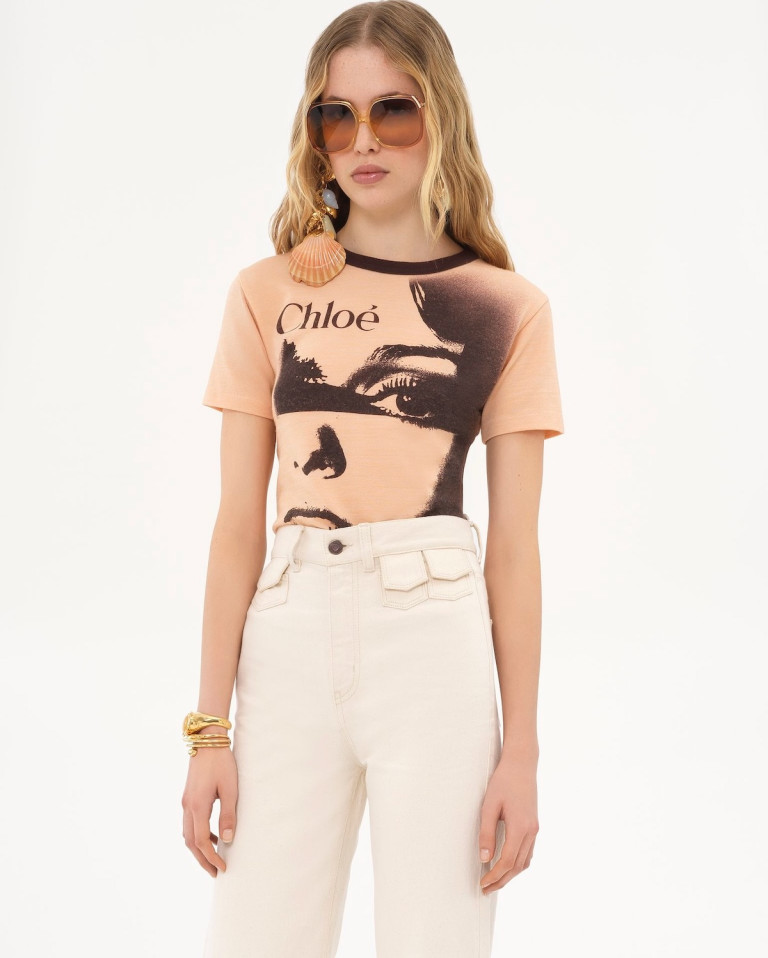
Luxury Consumer Trends Reshaping Preferences
A New Generation of Buyers
Younger consumers are influencing the direction of fashion. They are more likely to value authenticity and storytelling over traditional status markers.
Their approach includes:
- Supporting brands with clear values
- Choosing items that feel unique
- Blending high and low fashion
This mindset plays a major role in the ongoing logo fashion decline.
The Rise of Secondhand and Vintage
Resale platforms and vintage shopping have changed how people access luxury. Instead of chasing the latest logo-heavy release, many are seeking rare or archival pieces.
Benefits of this shift include:
- Access to unique items with history
- Reduced emphasis on current branding
- Greater focus on design and craftsmanship
Sustainability and Conscious Choices
Sustainability is shaping luxury consumer trends in meaningful ways. Buyers are becoming more selective, choosing fewer items with higher quality.
This often leads to:
- Investment in timeless designs
- Reduced interest in trend-driven logos
- Appreciation for durability and versatility
Are Logos Disappearing or Evolving
Logos are not disappearing entirely. Instead, they are becoming more subtle and integrated into design.
Examples of this evolution include:
- Tonal logos that blend into the fabric
- Embossed branding that is visible only up close
- Signature patterns and silhouettes that replace obvious logos
This approach allows brands to maintain identity while adapting to changing preferences.
How Designers Are Responding
Designers are adjusting their collections to reflect these shifts. While logos remain part of fashion, they are no longer always the focal point.
Current strategies include:
- Highlighting craftsmanship and tailoring
- Using high-quality materials as a defining feature
- Creating pieces that stand out through design rather than branding
This response shows how the industry is adapting to the conversation around branding vs style.
The Role of Influencers and Street Style
Street style and digital creators play a significant role in shaping trends. Many influencers are now embracing understated looks that prioritize personal expression.
Common patterns seen in street style include:
- Neutral color palettes
- Minimal branding
- Focus on layering and texture
This visual shift reinforces the idea that style does not rely solely on logos.
Who Still Embraces Logo Fashion
Despite the broader logo fashion decline, logos remain relevant in certain spaces.
They continue to thrive in:
- Streetwear culture, where branding is part of identity
- Emerging markets where logos signal aspiration
- Statement pieces designed for bold styling
This shows that logos are not disappearing. They are simply becoming one option among many.
What the Future of Fashion Looks Like
Fashion is moving toward a more balanced perspective. Logos, craftsmanship, and personal style are all part of the conversation.
The focus is shifting toward:
- Individual expression over uniform trends
- Thoughtful purchasing decisions
- A blend of subtle branding and strong design
As luxury consumer trends continue to evolve, the definition of luxury is becoming more personal.
Why Subtle Style Is Redefining Modern Luxury
The conversation around logo fashion decline highlights a deeper change in how fashion is understood. Instead of relying on visible branding, many consumers are exploring what style means on a personal level. The shift toward branding vs style reflects a broader desire for authenticity, versatility, and lasting value.
Luxury is no longer defined by how loud a logo appears. It is increasingly shaped by how well a piece fits into an individual's life and identity. This evolving perspective continues to influence how fashion is designed, styled, and experienced.
Frequently Asked Questions
1. Are designer logos going out of style
Designer logos are not disappearing, but they are becoming more subtle. Many consumers now prefer understated designs over bold branding.
2. Why is quiet luxury becoming popular
Quiet luxury focuses on quality, craftsmanship, and timeless design. It aligns with changing preferences that value long-term wear over visibility.
3. Do logos still matter in fashion
Logos still play a role, especially in streetwear and statement pieces. However, they are no longer the main focus for many consumers.
4. What are current luxury consumer trends
Current trends include minimalism, sustainability, and a stronger emphasis on personal style over brand recognition.

© Copyright Fashion Times 2026. All rights reserved.


