

Spend less now or spend more and keep it forever. That is the core tension in the luxury vs fast fashion debate, and it is one that millions of shoppers wrestle with every time they open a shopping app or walk into a store. The answer is not as straightforward as the price tags suggest. A clothing quality comparison between the two categories reveals that value, in fashion, has almost nothing to do with what something costs upfront and everything to do with how long it lasts, how often it gets worn, and what it is worth when the original owner no longer wants it.
What Is the Real Difference Between Luxury and Fast Fashion?
Fast fashion is a production model built around speed. Brands in this category move designs from runway to retail in a matter of weeks, relying on low-cost labor and inexpensive synthetic materials to keep prices accessible. The goal is volume: get consumers to buy frequently and replace items often. Zara, H&M, and Shein are the most visible players in this space, and the model has made fashion more democratically accessible than at any point in history.
Luxury fashion operates on an entirely different logic. Production is slower, materials are more carefully sourced, and craftsmanship is treated as a selling point rather than an afterthought. The price premium in luxury is not just about brand cachet; it reflects real differences in construction, fabric weight, and finishing. A luxury coat is built with reinforced stitching, premium-grade wool, and lining details that a fast fashion equivalent simply does not include.
The complication is that the gap between the two has been quietly narrowing in the wrong direction. Some luxury houses have drawn criticism in recent years for substituting premium fabrics like silk with cheaper blended alternatives, raising legitimate questions about whether every high price tag still corresponds to high standards.

Is Luxury Clothing Actually Better Quality?
In a straightforward clothing quality comparison, luxury still holds a genuine advantage in most cases. The differences show up in specific, testable ways:
- Fabric weight and density: luxury garments use higher-GSM materials that hold their shape across repeated wears and washes.
- Stitching and construction: reinforced seams, French seams, and hand-finishing details extend the life of luxury pieces significantly.
- Fit retention: premium materials resist shrinkage and distortion after washing, whereas fast fashion items often lose their original fit within a handful of cycles.
- Color fastness: luxury dyes are applied with greater precision and tend to hold up far better over time than the fading common in cheaper garments.
Fast fashion items frequently develop pilling, seam separation, and sizing distortion after minimal use. The clothes that look great on a hanger in-store can tell a very different story after three washes. That said, quality is not uniform across luxury either. Mid-range contemporary labels have raised their standards enough that they now compete credibly with entry-level luxury on construction quality, often at a fraction of the price.
How Does Cost Per Wear Change the Calculation?
Cost per wear is the most honest tool available for comparing value across price points. The formula is simple: divide the purchase price by the number of times the item is worn. The result reframes what cheap and expensive actually mean in practice.
A fast fashion jacket bought for $30 and worn four times before it pills beyond use has a cost per wear of $7.50. A luxury jacket bought for $500 and worn 100 times over five years has a cost per wear of $5. The expensive item becomes the better investment the longer it stays in rotation. Research from resale platform Vestiaire Collective found that resold luxury items are worn significantly more times than fast fashion equivalents, with luxury coats and dresses dramatically outperforming their cheaper counterparts on total usage.
The cost per wear argument becomes even more compelling when resale value enters the picture. Fast fashion items depreciate to near zero almost immediately. Luxury pieces, particularly from heritage houses like Hermes, Chanel, and Bottega Veneta, regularly sell on the secondary market for more than their original retail price. That resale potential transforms a luxury purchase from an expense into something closer to a financial asset.
What Are Consumers Actually Choosing in 2026?
Consumer behavior in 2026 reflects the tension between aspiration and practicality. Shoppers are not abandoning fast fashion, but many are becoming more deliberate about when they reach for it. The drivers behind each category tell their own story:
- Luxury purchases are most commonly driven by material quality, timeless design, and brand reputation.
- Fast fashion purchases are driven by convenience, trendiness, and affordability, particularly for occasion-specific or highly seasonal items.
- Gen Z is emerging as the most discerning luxury consumer, more willing than older generations to spend on a single investment piece while simultaneously shopping secondhand to offset costs.
The secondhand luxury market is where both conversations converge. Buying pre-owned luxury at resale prices offers the construction quality of a high-end garment at a price point that is frequently comparable to, or lower than, buying new fast fashion. It is the closest thing the industry has to a clear answer in the luxury vs fast fashion debate.
Is There a Middle Ground Worth Considering?
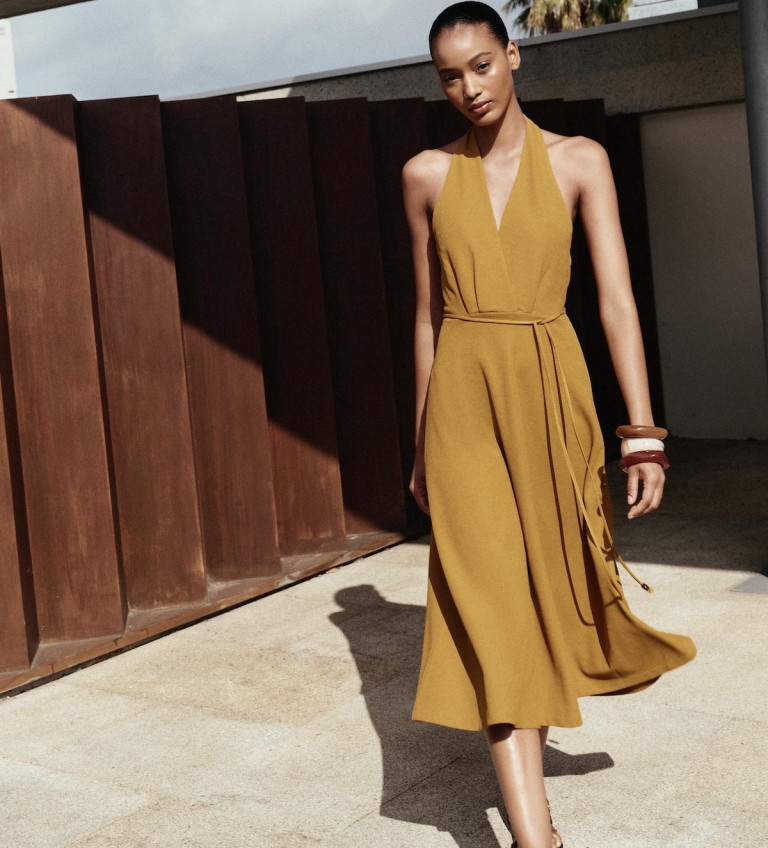
The mid-market is quietly disrupting both ends of the fashion spectrum. Contemporary labels that sit between high street and luxury, such as Toteme, Polene, A.P.C., and Studio Nicholson, have built reputations for genuine quality at more accessible price points. These brands invest in better fabrics and cleaner construction without the brand-name markup of a heritage luxury house.
Luxury vs Fast Fashion: Which Side of the Clothing Quality Comparison Wins?
Neither category wins outright, but the evidence points in a clear direction. Fast fashion offers undeniable short-term accessibility, and for genuinely trend-driven, seasonal purchases, it can be the rational choice. But across the key measures that define real value, including durability, cost per wear, resale potential, and environmental footprint, luxury and mid-market investment pieces consistently outperform. The smartest approach in 2026 is not a full commitment to either extreme. It is a deliberate mix: invest in quality where items will get heavy use, use fast fashion selectively for fleeting trends, and let the secondhand market do the rest.
Frequently Asked Questions
1. Is luxury fashion always better quality than fast fashion?
Not always, but generally yes. Luxury garments typically use higher-grade materials, stronger construction techniques, and more rigorous quality checks. However, some luxury brands have faced criticism for quietly reducing fabric quality while raising prices, so it is worth researching specific labels rather than assuming price guarantees quality across the board.
2. What is cost per wear and why does it matter in a clothing quality comparison?
Cost per wear is calculated by dividing a garment's purchase price by the number of times it gets worn. It matters because it reveals the true value of a purchase over time. A $400 coat worn 80 times costs $5 per wear. A $40 jacket worn five times costs $8 per wear. The more an item gets used, the lower its real cost, which is why durable, well-made clothing so often wins a clothing quality comparison against cheaper alternatives.
3. Does fast fashion have any advantages over luxury fashion?
Yes, in specific situations. Fast fashion is a reasonable choice for highly trend-specific items that will only be worn for a single season, for occasion pieces like a themed party outfit, or for basics where the quality difference between price tiers is minimal. It also makes fashion more accessible to shoppers who cannot afford luxury price points, which is a genuinely meaningful social benefit.

© Copyright Fashion Times 2026. All rights reserved.


