
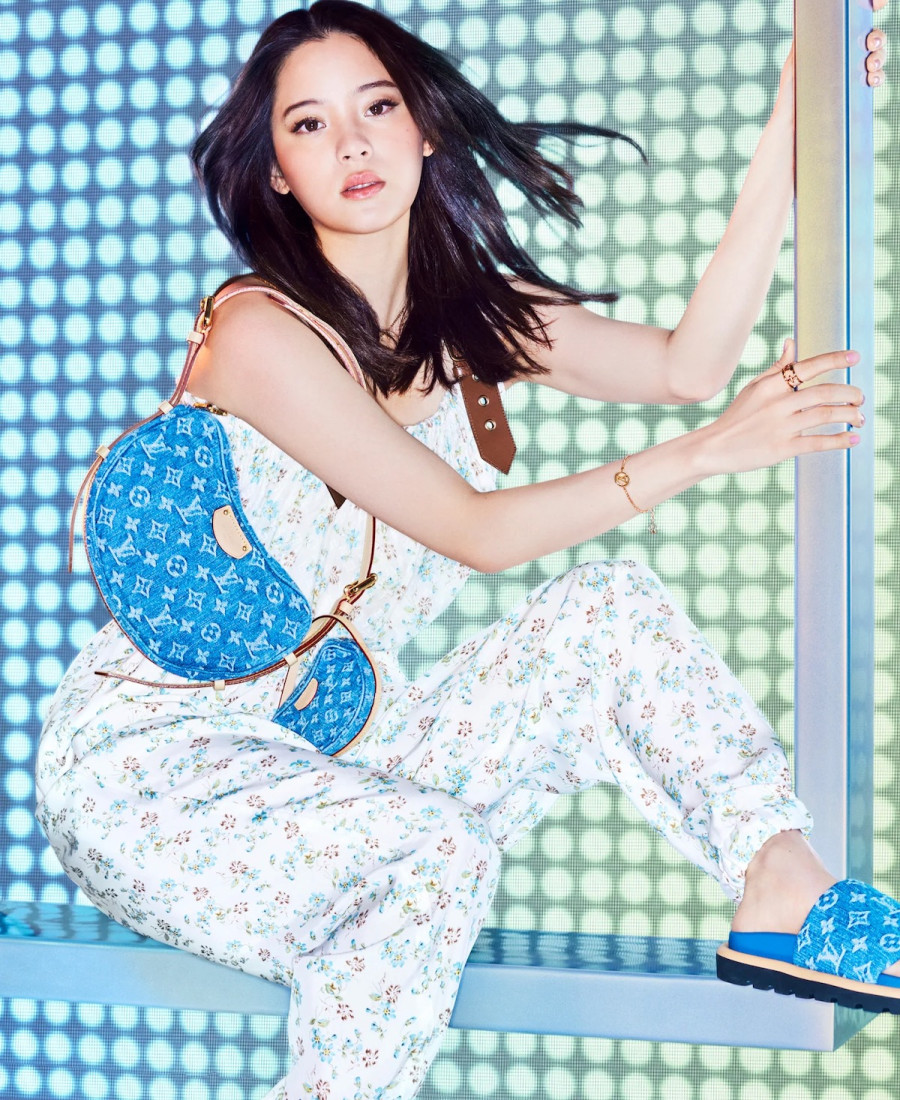
The resurgence of early 2000s aesthetics has become one of the most visible shifts in contemporary style culture. What once belonged to flip phones, glossy lip gloss, and pop-driven streetwear has returned as a dominant force in modern wardrobes. Driven largely by digital platforms, Y2K trends, Gen Z fashion have merged nostalgia with experimentation, reshaping how style spreads, evolves, and is consumed today.
Social media has not only revived past aesthetics but also reinterpreted them for a new generation that thrives on visual expression, individuality, and rapid trend cycles.
Understanding Y2K Fashion and Its Cultural Roots
Y2K fashion originally emerged during the late 1990s and early 2000s, reflecting a futuristic optimism influenced by technology, pop culture, and celebrity style. It carried a playful yet edgy identity that combined digital-age inspiration with bold silhouettes.
Key characteristics included:
- Low-rise jeans paired with crop tops and baby tees
- Metallic fabrics and glossy finishes
- Rhinestone details and butterfly motifs
- Mini skirts and statement accessories
- Chunky sneakers and platform footwear
The revival of these elements in Y2K trends, Gen Z fashion shows how past aesthetics are continuously reimagined through modern styling perspectives.

Why Y2K Fashion Is Trending Again
The return of Y2K style is not accidental. It reflects a broader cultural cycle where fashion reintroduces past decades in new forms. Gen Z, in particular, has embraced this aesthetic because it aligns with their preference for expressive, curated, and nostalgic looks.
Key reasons behind the revival
- Nostalgia-driven styling influenced by early internet culture
- Thrift shopping and vintage resale platforms making older pieces accessible
- Desire for bold, playful self-expression in contrast to minimalistic trends
- Social media exposure to archived celebrity outfits and music videos
The blend of old and new has allowed Y2K trends, Gen Z fashion to evolve into something more personalized than its original form.
Social Media as the Engine Behind the Revival
Platforms like TikTok, Instagram, and Pinterest have played a central role in bringing Y2K aesthetics back into mainstream visibility. Unlike traditional fashion cycles, digital platforms accelerate trend discovery and replication.
How each platform contributes
- TikTok:
Viral outfit transformations, styling challenges, and hashtag-driven content such as #Y2Kfashion fuel rapid adoption of trends. - Instagram:
Influencers curate polished Y2K-inspired feeds that emphasize coordinated color palettes and nostalgic aesthetics. - Pinterest:
Mood boards act as visual guides, helping users build entire wardrobes inspired by early 2000s fashion references.
Through algorithm-driven exposure, Y2K trends, Gen Z fashion reach global audiences within days rather than seasons.
Influence of Celebrities and Digital Creators
Celebrity culture has always shaped fashion movements, and the Y2K revival is no exception. Modern artists and influencers frequently reference early 2000s icons through styling choices, music videos, and red carpet looks.
This influence appears in:
- Recreated archival outfits worn by pop icons
- Influencers styling vintage denim, baby tees, and accessories
- Brand collaborations revisiting early 2000s collections
Digital creators act as intermediaries, translating nostalgic fashion into everyday wearable looks for Gen Z audiences.
Defining Elements of Modern Y2K Style
While the original Y2K era had its own distinct identity, today's version is more curated and adaptable. Gen Z mixes retro references with contemporary streetwear influences.
Common elements include:
- Cargo pants styled with fitted tops
- Mini bags and colorful accessories
- Platform sneakers paired with relaxed silhouettes
- Butterfly clips, tinted sunglasses, and layered jewelry
These combinations show how Y2K trends, Gen Z fashion are no longer fixed but constantly evolving through personal interpretation.
How Gen Z Reinterprets Y2K Fashion
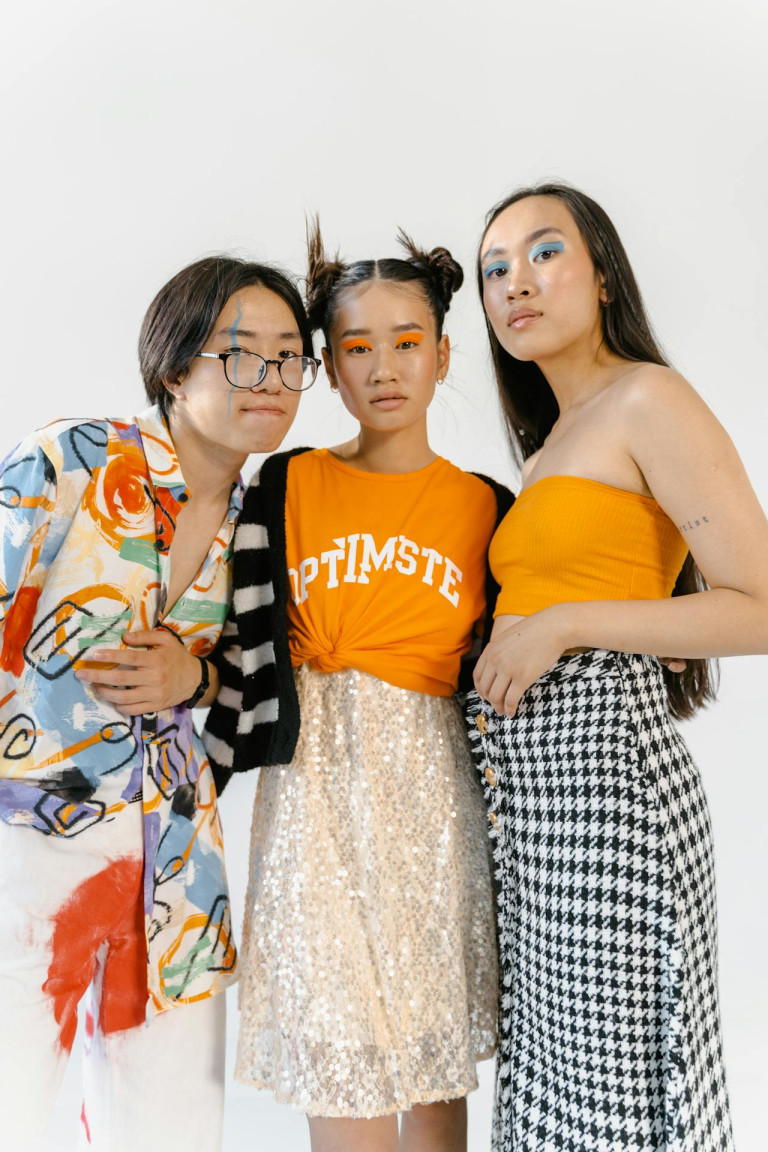
Gen Z does not simply replicate early 2000s style. Instead, it rebuilds it with a modern mindset focused on individuality and sustainability.
Key reinterpretation styles
- Mixing thrifted Y2K pieces with modern basics
- Gender-fluid styling that breaks traditional fashion categories
- DIY customization such as altering denim or repurposing vintage tops
- Layered outfits that combine streetwear and nostalgic aesthetics
This approach makes Y2K trends, Gen Z fashion feel less like a throwback and more like a creative evolution.
Social Media and the Acceleration of Fashion Cycles
The speed at which trends rise and fade has changed significantly due to digital platforms. Fashion cycles are now shaped by online engagement rather than traditional seasonal releases.
Observed shifts in fashion behavior
- Faster viral adoption of micro-trends
- Increased reliance on influencer-driven inspiration
- Community-based styling decisions through comment culture
- Global accessibility of niche aesthetics
This environment allows Y2K fashion to continuously reappear in new forms while staying relevant across different audiences.
SEO-Friendly Perspective on Y2K Revival and Gen Z Style Culture
The revival of early 2000s aesthetics highlights how digital culture reshapes fashion identity. Y2K trends, Gen Z fashion reflect a broader shift toward expressive, nostalgic, and highly visual styling preferences influenced by social media ecosystems.
Rather than being a fixed trend, Y2K fashion has become a flexible style language. It adapts through platforms, creators, and communities that continuously reinterpret its original identity. The result is a fashion movement that thrives on reinvention rather than repetition.
Frequently Asked Questions
1. What defines Y2K fashion today?
Y2K fashion today is defined by early 2000s-inspired clothing such as low-rise jeans, crop tops, metallic textures, and playful accessories. It has been modernized through digital styling trends and Gen Z creativity.
2. Why is Y2K fashion popular among Gen Z?
Gen Z is drawn to Y2K fashion due to its nostalgic appeal, expressive nature, and versatility. It allows experimentation while blending vintage aesthetics with modern streetwear influences.
3. How did social media influence Y2K trends?
Social media platforms like TikTok, Instagram, and Pinterest helped spread Y2K aesthetics rapidly through viral videos, influencer styling, and visual mood boards that inspire global audiences.
4. Is Y2K fashion considered sustainable?
Y2K fashion supports sustainability when practiced through thrift shopping, vintage reuse, and upcycling. Many Gen Z consumers prefer second-hand pieces to reduce fashion waste while maintaining style variety.

© Copyright Fashion Times 2026. All rights reserved.


