

Fashion advertising is changing how it looks and how it speaks to people. Highly polished visuals, exaggerated styling, and distant fantasy settings are gradually giving way to imagery that feels familiar and grounded. This movement reflects the rise of realistic fashion marketing, where authenticity and relatability matter as much as aesthetics.
Across campaigns, editorials, and digital platforms, lifestyle fashion imagery is becoming the preferred way to show clothing in context. The growth of modern ads rooted in everyday moments signals a broader shift in how brands connect with their audiences.
Why Fashion Advertising Is Moving Toward Real Life
For decades, fashion relied on idealized visuals that felt aspirational but often unattainable. Today's consumers are more visually literate and more skeptical of perfection. They want to see how fashion fits into real routines rather than staged ideals.
Several factors are driving this shift:
- Constant exposure to candid content on social media
- Greater awareness of body diversity and representation
- Stronger demand for transparency from brands
Realistic fashion marketing aligns with these expectations by showing clothes worn by people who reflect a wider range of lifestyles and appearances.

What Defines Realistic Fashion Marketing Today?
Realism in fashion advertising is intentional, not careless. It is a creative choice that prioritizes familiarity and honesty while maintaining visual appeal.
Key characteristics include:
- Natural or ambient lighting
- Real locations such as streets, homes, or cafés
- Minimal retouching that preserves texture and movement
- Styling that mirrors how people actually dress
Rather than selling fantasy, modern ads increasingly focus on moments that feel recognizable and believable.
How Lifestyle Fashion Imagery Shapes Brand Perception
Lifestyle fashion imagery allows audiences to imagine clothing as part of their daily lives. When outfits are shown in motion or in relatable settings, they become easier to understand and trust.
This approach often leads to:
- A stronger emotional connection with viewers
- Increased credibility through visual honesty
- Higher engagement across digital platforms
By showing clothing in real situations, brands reduce the gap between inspiration and reality.
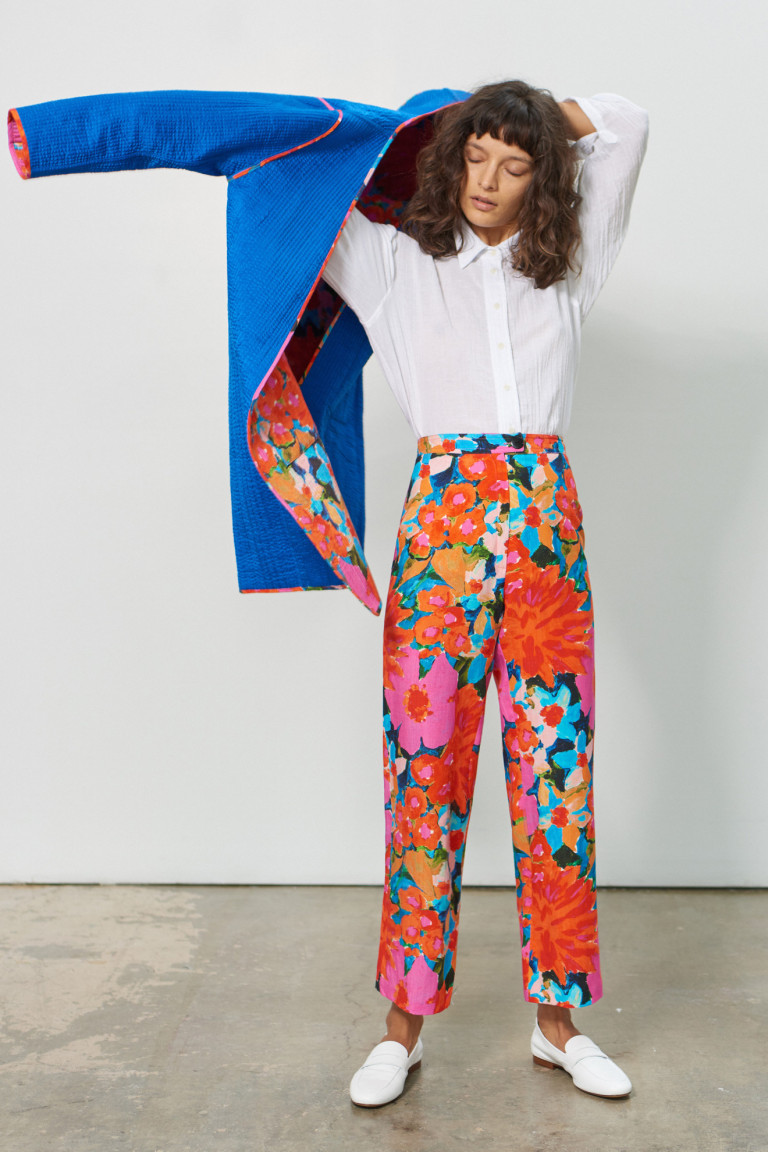
Social Media's Influence on Modern Fashion Ads
Social media has reshaped how fashion advertising is created and consumed. Content that feels natural often performs better than highly produced visuals, especially in fast-moving feeds.
Notable changes include:
- Ads designed to blend into social platforms rather than interrupt them
- Editorial campaigns that resemble influencer content
- Story-driven visuals that prioritize mood over messaging
As a result, modern ads often feel less like traditional advertising and more like everyday visual storytelling.
Editorial Fashion Moves Beyond the Studio
Fashion editorials have also embraced realism as a creative direction. Controlled studio shoots are increasingly replaced by on-location photography that adds narrative depth.
This evolution is reflected through:
- Shoots in real neighborhoods, apartments, or public spaces
- Models interacting naturally with their environment
- Styling that feels wearable rather than theatrical
The blending of editorial and lifestyle aesthetics reinforces the principles of realistic fashion marketing.
Why Audiences Respond to Realistic Fashion Imagery
People tend to trust visuals that feel familiar. Highly stylized images can appear distant, while realistic ones feel accessible and achievable.
Benefits for viewers include:
- Clearer expectations of fit, texture, and movement
- Reduced pressure from unrealistic beauty standards
- A stronger sense of inclusion
This response explains why lifestyle fashion imagery often drives higher engagement and longer viewing times.
The Creative Challenges of Embracing Realism
While realism offers authenticity, it also presents creative challenges. Brands must ensure that their visuals still feel intentional and distinctive.
Common considerations include:
- Maintaining a strong visual identity
- Avoiding imagery that feels unstructured or generic
- Balancing everyday realism with creative direction
Successful realistic fashion marketing requires thoughtful planning rather than simply removing polish.
What the Future Holds for Modern Fashion Advertising
The future of fashion advertising is likely to blend realism with selective aspiration. Many brands are combining authentic settings with refined styling to maintain both relatability and visual interest.
Emerging trends include:
- Hybrid campaigns that mix candid and styled imagery
- Greater emphasis on storytelling across platforms
- Flexible visuals designed for digital-first consumption
As expectations continue to evolve, modern ads grounded in real life are likely to remain influential.
Why Real-Life Fashion Imagery Is Reshaping the Industry
Fashion's visual language is adapting to reflect everyday experiences. Through realistic fashion marketing, brands are redefining aspiration as something personal, achievable, and emotionally resonant.
The rise of lifestyle fashion imagery highlights a long-term shift toward honesty and relevance, shaping how fashion is communicated and understood.
Frequently Asked Questions
1. What is realistic fashion marketing?
Realistic fashion marketing focuses on authentic visuals, diverse representation, and everyday settings to create relatable and trustworthy fashion content.
2. How does lifestyle fashion imagery differ from traditional advertising?
Lifestyle fashion imagery shows clothing in real-life situations, while traditional ads often rely on studio settings and idealized styling.
3. Are modern fashion ads less aspirational than before?
Modern ads redefine aspiration by emphasizing confidence, comfort, and connection rather than perfection.
4. Why do brands use realistic imagery for digital campaigns?
Because it blends naturally into social platforms, builds trust faster, and resonates with audiences seeking authenticity.

© Copyright Fashion Times 2026. All rights reserved.


