
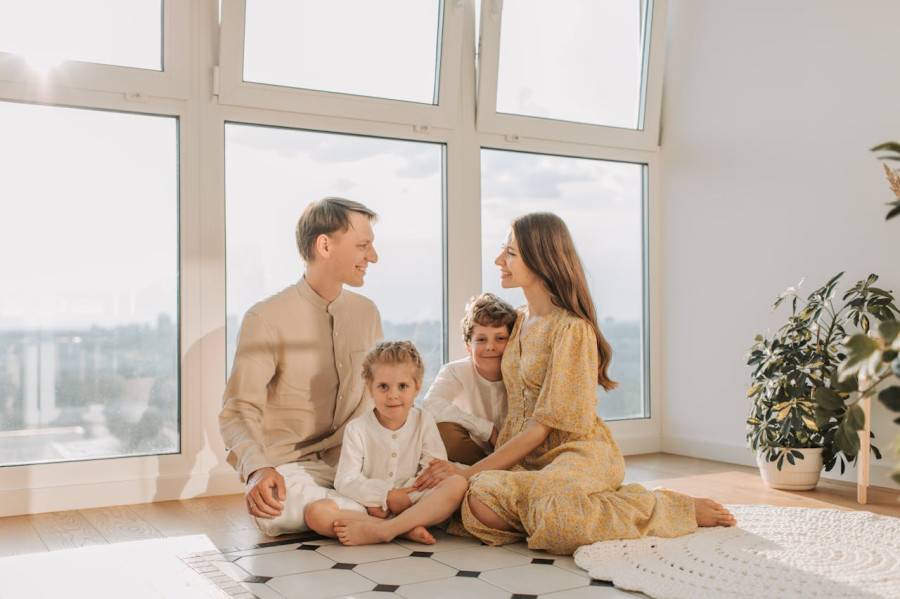
Fashion has always reflected the world around it. What has changed in recent years is the subject matter. Instead of distant fantasy or untouchable glamour, many brands are grounding their collections and campaigns in everyday experiences. Family life, once considered outside the scope of high fashion, is now a recurring theme across runways, lookbooks, and digital storytelling. This shift reveals how fashion storytelling is evolving to mirror modern values, relationships, and lifestyles.
The Evolution of Fashion Storytelling Toward Real Life
Traditional fashion narratives focused on aspiration. Models were styled as icons rather than people, often detached from daily routines. Today, audiences are drawn to stories that feel familiar and emotionally grounded.
Several factors are driving this evolution:
- Consumers value authenticity over perfection
- Social media has blurred the line between private and public life
- Fashion imagery competes with real-world content shared by families and creators
As a result, fashion storytelling increasingly reflects lived experiences. Family moments, domestic settings, and generational connections now feel relevant rather than mundane.

Family Representation Fashion as Cultural Reflection
Family representation in fashion is not just a visual choice. It reflects broader cultural shifts in how identity and belonging are defined. Modern fashion imagery often includes parents, children, and extended family members in ways that feel natural rather than staged.
This approach serves multiple purposes:
- It acknowledges diverse family structures
- It presents clothing as part of daily life
- It connects fashion to memory, care, and continuity
By embracing family representation fashion, brands position themselves within real social contexts. Clothing becomes something worn through milestones, routines, and shared moments instead of reserved for spectacle.
Why Fashion Brands Are Embracing Family Narratives
Family-centered storytelling helps brands speak to multiple generations at once. Rather than targeting a single demographic, these narratives create emotional overlap between parents, children, and even grandparents.
Key motivations behind this shift include:
- Long-term brand relevance across life stages
- Emotional connection that goes beyond seasonal trends
- Visual storytelling that feels inclusive and relatable
Family narratives also reduce the distance between brand and consumer. When people see versions of their own lives reflected in fashion imagery, the brand feels accessible without losing creative intent.
Lifestyle Branding and the Expansion of Fashion Identity
Fashion no longer exists in isolation from daily routines. Through lifestyle branding, clothing is presented as part of how people live, move, and connect. Family life plays a natural role in this expanded identity.
Lifestyle-driven fashion campaigns often highlight:
- Home environments instead of studio backdrops
- Everyday activities like walking, traveling, or spending time together
- Clothing designed for versatility rather than display
This approach reframes fashion as functional and emotional at the same time. The focus shifts from what is worn to how it fits into real lives.
Parents and Children as Storytelling Anchors
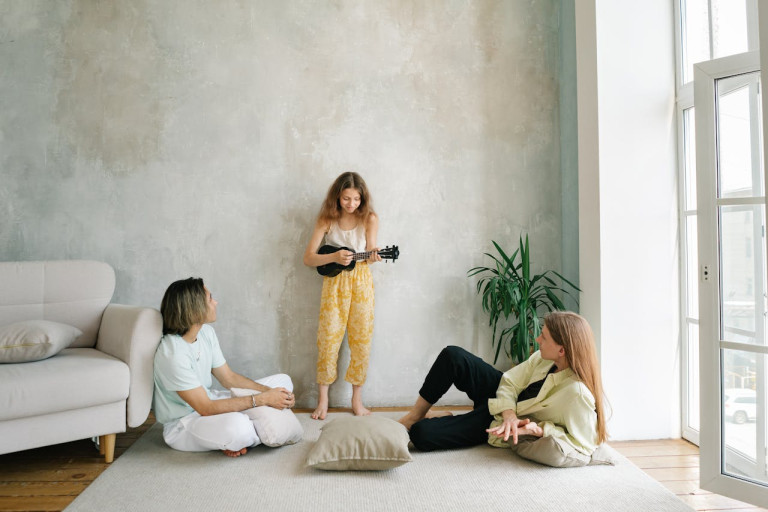
The presence of parents and children in fashion imagery adds narrative depth. It introduces time, growth, and continuity into visual storytelling. These elements are difficult to convey through traditional fashion poses alone.
Common storytelling techniques include:
- Matching or complementary outfits that suggest connection
- Candid interactions rather than posed stances
- Multi-generational casting that highlights heritage and change
These choices reinforce fashion as part of shared experience. Clothing becomes a symbol of care, identity, and everyday expression.
Is Family-Centered Fashion a Passing Trend?
While trends come and go, the emphasis on family life appears rooted in lasting cultural change. As audiences become more selective about the stories they engage with, emotionally grounded narratives hold attention longer than novelty-driven visuals.
Evidence of longevity includes:
- Repeated use of family themes across seasons
- Expansion of family-focused collections and campaigns
- Continued consumer interest in lifestyle-oriented fashion content
Rather than replacing traditional fashion storytelling, family narratives expand it. They add emotional context without eliminating creativity or artistry.
Why Family Narratives Are Reshaping Fashion Storytelling
Family-centered storytelling signals a broader redefinition of fashion's role in society. Clothing is no longer framed solely as an object of desire. It is presented as part of life's structure, supporting movement, memory, and connection. By integrating family life into fashion narratives, brands align themselves with how people actually live, creating stories that feel lasting rather than performative.
Frequently Asked Questions
1. Why is family life becoming more visible in fashion campaigns?
Family life reflects modern values such as authenticity and emotional connection. Fashion campaigns increasingly mirror everyday experiences to resonate with audiences who seek relatable and meaningful stories.
2. What does family representation fashion communicate to consumers?
It communicates inclusivity, continuity, and real-world relevance. Seeing families in fashion imagery helps consumers imagine clothing as part of their own lives rather than distant ideals.
3. How does lifestyle branding support family-focused fashion?
Lifestyle branding places fashion within daily routines and environments. By showing clothing in family settings, brands highlight versatility, comfort, and emotional significance.
4. Will family narratives continue to shape fashion storytelling?
Current cultural and consumer trends suggest they will. As fashion storytelling moves toward authenticity and lived experience, family-centered narratives are likely to remain a foundational element rather than a temporary focus.

© Copyright Fashion Times 2026. All rights reserved.


