

Color has always been one of the fastest ways fashion communicates mood, direction, and cultural shifts. Each season, runway shows reveal more than silhouettes and fabrics. They introduce evolving runway color trends that shape how collections are styled, merchandised, and eventually worn in everyday life. From muted neutrals to expressive brights, the latest fashion week colors reflect changing attitudes toward self-expression, comfort, and experimentation.
Rather than isolated statements, these colors work together as intentional seasonal palettes, offering insight into where fashion is headed next.
How Runway Color Trends Take Shape
Runway color trends rarely appear overnight. They are influenced by creative direction, material innovation, and broader cultural cues. Designers work within palettes that feel relevant to the moment while still pushing visual boundaries.
Several factors play a role:
- Fabric choice affects how color absorbs light and moves on the body
- Styling decisions influence how bold or subtle a color feels
- Set design and lighting enhance emotional impact
Because of this, a shade that looks dramatic on the runway may translate into softer tones when adapted for everyday wear.
Dominant Fashion Week Colors This Season
Across recent runway shows, color direction feels deliberate rather than chaotic. Instead of overwhelming variety, designers are leaning into cohesive palettes that balance familiarity and freshness.
Key color movements include:
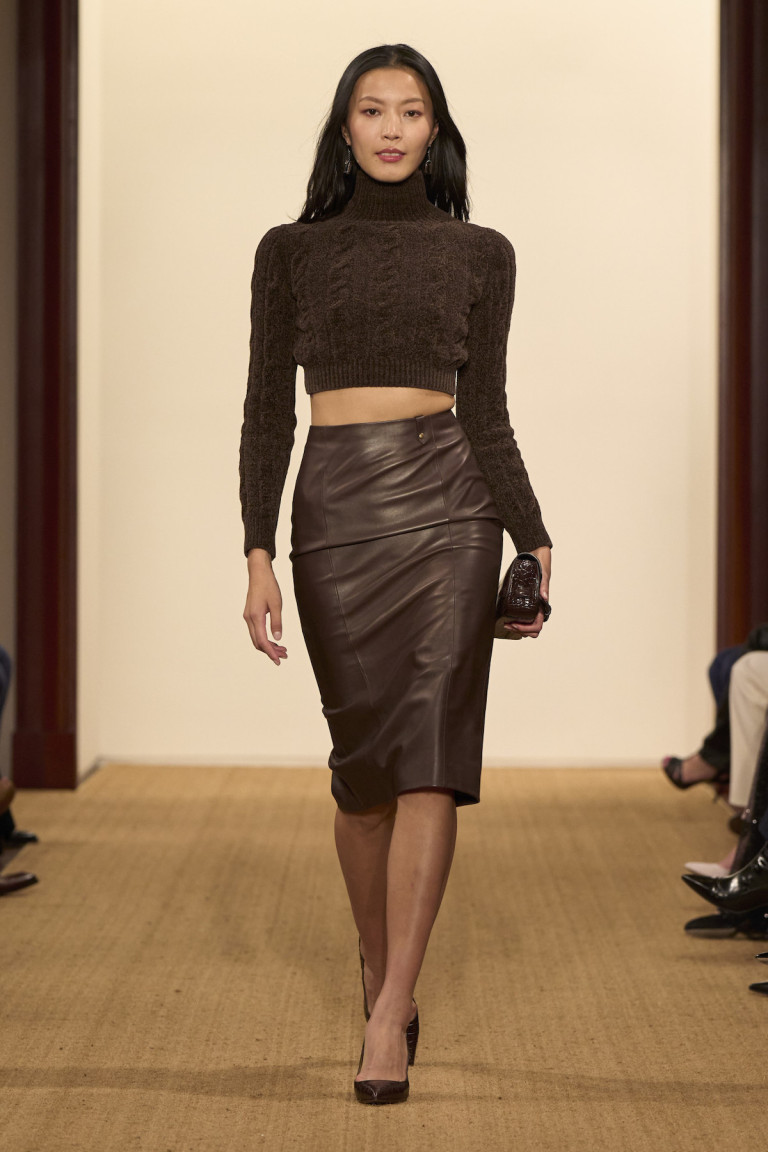
- Deep, grounded hues that feel reassuring and timeless
- Soft, washed tones replacing stark brights
- Select high-impact colors used sparingly for emphasis
These fashion week colors suggest a shift toward versatility. Colors are designed to layer easily, mix across seasons, and remain relevant beyond a single trend cycle.
The Role of Seasonal Palettes in Modern Collections
Seasonal palettes are no longer rigid formulas tied strictly to weather. Designers are treating color more fluidly, allowing shades traditionally associated with one season to appear year-round.
Common characteristics of current seasonal palettes include:
- Muted neutrals paired with one standout tone
- Earth-influenced colors blended with refined finishes
- Transitional hues that move easily from warm to cool months
This approach makes runway color trends more adaptable. It also reflects how consumers build wardrobes today, favoring longevity over novelty.
Bold Shades vs. Wearable Neutrals
A noticeable theme on the runway is contrast. Designers are balancing expressive color moments with grounding neutrals to create visual rhythm.
Bold colors on the runway
- Used for outerwear, tailoring, or statement dresses
- Often appear as monochrome looks
- Designed to capture attention and define the collection's mood
Wearable neutrals
- Serve as anchors within seasonal palettes
- Include softened blacks, warm grays, and creamy off-whites
- Make experimental colors feel accessible
This balance helps runway color trends feel inspirational without being impractical.
Nature and Emotion as Color Influences
Many of the latest runway palettes draw inspiration from natural landscapes and emotional states rather than literal themes. Earthy browns, mineral blues, and plant-based greens appear alongside calming pastels.
These choices suggest:
- A desire for visual comfort and familiarity
- Increased awareness of sustainability and material origins
- A move away from overly synthetic color stories
By grounding fashion week colors in emotional resonance, designers create collections that feel intuitive rather than trend-driven.
Unexpected Color Pairings on the Runway
While palettes feel controlled, designers are still experimenting through contrast. Unexpected combinations add tension and modernity to otherwise restrained collections.
Examples of pairing strategies include:
- Soft neutrals offset by sharp accent colors
- Warm tones layered with cooler undertones
- Traditional base colors updated with unconventional highlights
These moments keep runway color trends visually engaging and prevent palettes from feeling predictable.
Translating Runway Color Trends Into Everyday Style
Not every runway look is meant to be copied directly. However, color trends are often the easiest element to adapt.
Ways runway colors show up in real wardrobes:
- Accessories in trend-driven shades
- Layering neutrals with a single bold piece
- Subtle color blocking using tonal variations
By focusing on color rather than full outfits, fashion week colors become more approachable and practical.
Why Color Trends Matter Beyond Fashion
Runway color trends influence more than clothing. They shape beauty, interior design, and even branding aesthetics. When seasonal palettes feel cohesive, they tend to resonate across industries.
This wider influence explains why runway color analysis remains relevant even for readers who do not closely follow high fashion. Color acts as a visual language that reflects collective mood and cultural priorities.
What the Latest Runway Colors Signal Going Forward
The current direction of runway color trends suggests a shift toward thoughtful expression. Instead of chasing constant novelty, designers are refining palettes that feel emotionally grounded and visually flexible.
Fashion week colors are becoming less about shock value and more about longevity. Seasonal palettes are designed to evolve rather than disappear, encouraging a slower, more intentional approach to style.
Frequently Asked Questions
1. What are runway color trends?
Runway color trends refer to the dominant shades and palettes presented during fashion shows each season. They influence how collections are styled and how color moves into mainstream fashion.
2. How do fashion week colors affect everyday clothing?
Fashion week colors guide retail collections and styling choices. While runway shades may be bold, they often appear in toned-down versions for everyday wear.
3. Are seasonal palettes the same every year?
Seasonal palettes evolve over time. While some colors reappear, their intensity, pairings, and context change based on cultural and design influences.
4. How can someone wear runway color trends without following trends closely?
Incorporating accessories, choosing neutral outfits with a single trending color, or selecting similar tones within an existing wardrobe are simple ways to engage with runway color trends.

© Copyright Fashion Times 2026. All rights reserved.


