

Print mixing has moved from runway experimentation to everyday street style. What once felt risky is now a signature approach used by stylists, influencers, and fashion editors to create visually dynamic outfits. Understanding how to mix prints in an outfit allows clothing choices to feel more intentional and expressive rather than repetitive or predictable.
Rather than relying on matching sets or single-pattern looks, modern styling embraces contrast, coordination, and creative tension. This shift has also made it easier to experiment with prints like florals, stripes, checks, and abstract designs without looking mismatched. The key lies in structure, balance, and a few foundational styling principles that guide the overall look.
Fashion Editor Mindset: Styling With Intention
Fashion editors rarely rely on chance when combining prints. Each outfit is constructed with a visual narrative in mind. Instead of asking whether patterns match, the focus shifts to whether they interact well together.
Key mindset shifts include:
- Viewing prints as textures in a larger composition rather than standalone elements
- Prioritizing contrast in scale instead of identical patterns
- Using color repetition as a unifying tool across different prints
- Treating neutral pieces as visual pauses within an outfit
This approach helps avoid visual overload while still allowing for bold combinations that feel cohesive and wearable.

Core Principles for Mixing Prints Successfully
Mastering print combinations becomes easier when a few foundational principles are applied consistently.
- Scale contrast: Pairing large, bold prints with smaller, more delicate ones prevents visual competition
- Color cohesion: Keeping at least one shared color across prints helps unify the outfit
- Neutral balance: Denim, beige, black, or white pieces help anchor busy patterns
- Directional harmony: Mixing structured prints like stripes with organic ones like florals creates balance
- Repetition technique: Repeating a color or motif across accessories and clothing pieces ties everything together
These principles form the foundation of how to mix prints in an outfit without creating visual confusion.
How to Mix Prints in an Outfit Without Overthinking It
For beginners, print mixing can feel intimidating. A structured approach helps simplify the process while building confidence over time.
A practical starting method includes:
- Begin with one dominant print, usually in a garment like a skirt or blouse
- Add a secondary print in a smaller scale or softer color palette
- Keep one piece neutral to ground the look visually
- Limit the palette to two or three core colors for cohesion
- Introduce printed accessories only after mastering clothing combinations
Stripes paired with florals remain one of the most accessible combinations. Polka dots also work well when paired with geometric or linear patterns because they introduce contrast without overwhelming the outfit.
How to Wear Floral Patterns in a Modern Way
Florals remain one of the most versatile prints in fashion, but their styling depends heavily on balance and context. Learning how to wear floral patterns helps transform them from seasonal staples into year-round wardrobe essentials.
Florals can be styled in multiple ways:
- Soft florals with stripes: Creates a balanced contrast between organic and structured visuals
- Bold florals with neutrals: Allows the print to stand out without competition
- Floral layering: Wearing florals under jackets or over sheer fabrics adds depth
- Mixed florals: Combining different floral scales works when the color palette remains consistent
Seasonality also plays a role. Light florals often suit spring and summer styling, while darker or abstract floral prints transition well into autumn outfits when paired with heavier fabrics.
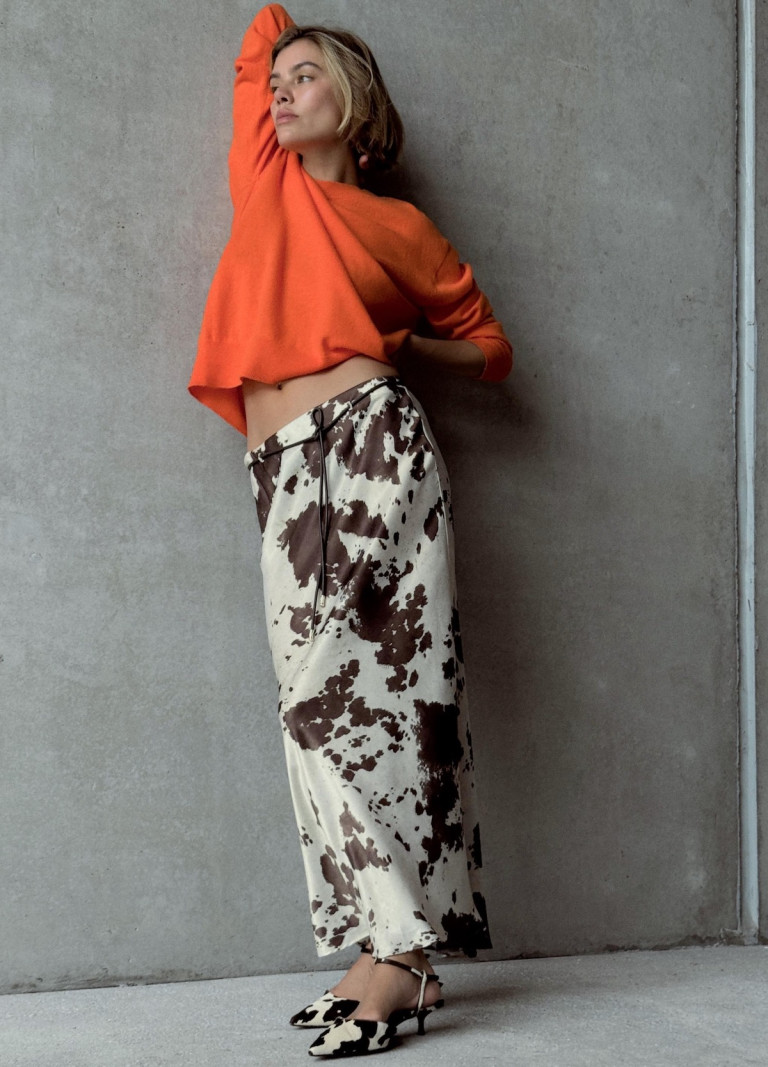
Pattern Clashing Rules for Fashion That Actually Work
Contrary to traditional styling advice, pattern clashing is not about avoiding mistakes but about controlling visual energy. Understanding pattern clashing rules for fashion helps make experimental styling feel intentional.
- Maintain a consistent color story: Even contrasting prints feel cohesive when colors align
- Balance print intensity: Pair busy patterns with simpler ones to avoid overload
- Limit focal points: One print should dominate while others support
- Mix structured and organic patterns: This creates visual rhythm within the outfit
- Use spacing strategically: Solid pieces act as breathing room between prints
These rules are flexible guidelines rather than strict limitations, allowing personal style to evolve.
Common Mistakes When Mixing Prints
Even with strong principles, certain mistakes can disrupt the balance of an outfit.
- Combining multiple bold prints without a visual anchor
- Ignoring proportion differences between patterns
- Using unrelated color palettes that compete for attention
- Over-accessorizing with additional prints instead of neutrals
- Treating prints as isolated elements instead of a unified composition
Avoiding these errors helps maintain clarity in styling while still allowing creative expression.
Styling Confidence Through Print Mixing
Building confidence in print mixing comes from repetition and observation rather than rigid rules. As styling skills develop, outfits begin to feel more intuitive and expressive. Fashion editors often rely on instinct built from repeated experimentation, adjusting scale, contrast, and color until the combination feels balanced.
Prints become less about risk and more about personal storytelling. Once the foundational principles are understood, styling naturally evolves into more advanced combinations without losing cohesion.
Print Mixing Style Guide for Effortless Wardrobe Expression
Print mixing becomes most effective when treated as a creative styling tool rather than a challenge to solve. Understanding how to mix prints in an outfit, learning how to wear floral patterns, and applying pattern clashing rules for fashion allows everyday dressing to feel more intentional and visually engaging. With consistent practice, combining prints shifts from uncertain experimentation into a reliable style signature.
Frequently Asked Questions
1. How can prints be mixed in an outfit without looking overwhelming?
Prints can be mixed effectively by limiting the color palette, balancing large and small patterns, and keeping at least one neutral piece to anchor the outfit.
2. What is the easiest way to start mixing prints?
A simple approach is to pair stripes with florals or polka dots with subtle geometric patterns while keeping one print dominant.
3. Can floral patterns be worn with other prints?
Yes, floral patterns work well with stripes, checks, and abstract prints when colors are coordinated and scale differences are considered.
4. What are the basic rules for pattern clashing in fashion?
The main rules include maintaining a consistent color story, balancing print intensity, mixing different scales, and ensuring one print remains the focal point.

© Copyright Fashion Times 2026. All rights reserved.


